





1. Conduct a Pre-Monsoon Vehicle Check
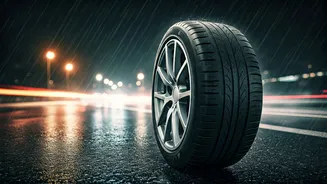
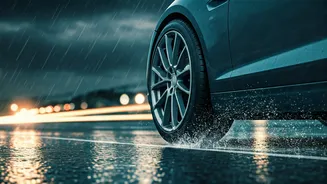
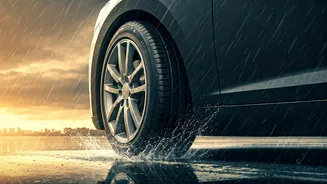
Before the downpours become a daily affair, give your vehicle a thorough inspection. Your tyres are the most critical component. Ensure they have adequate tread depth (at least 3mm is recommended) to effectively channel water away and prevent skidding.
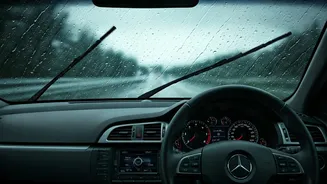
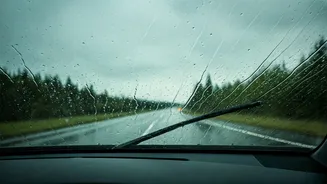
Check your tyre pressure, as underinflated tyres can worsen handling on wet surfaces. Also, test your wipers, headlights, tail lights, and indicators. Clear visibility is your best defence against monsoon hazards, and functional wipers are non-negotiable. Finally, have your brakes checked; wet roads increase stopping distances, and you need your braking system to be in top condition.
2. Master the Art of Slowing Down
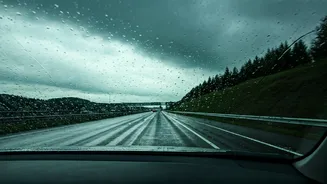
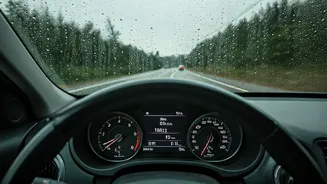
The single most effective habit you can adopt is to reduce your speed. It sounds obvious, but it’s often ignored. Wet roads significantly decrease the friction between your tyres and the asphalt. This means it takes longer to stop and your car is more likely to skid during turns. Driving at a slower, more deliberate pace gives you more time to react to unexpected obstacles like a water-filled pothole or a pedestrian dashing through the rain. Resist the urge to keep up with faster traffic; your safety is more important than arriving a few minutes earlier.
3. Double Your Following Distance
Tailgating is a dangerous habit in any weather, but it’s especially risky in the rain. The standard 'three-second rule' for following distance should be doubled to at least six seconds during a downpour. To measure this, watch the vehicle ahead of you pass a fixed object, like a signpost or a tree, and count the seconds it takes for you to pass the same object. This extended buffer zone is crucial because your braking distance can more than double on wet roads. It gives you the space you need to brake smoothly and safely without risking a collision if the car in front stops suddenly.
4. Understand and Avoid Hydroplaning
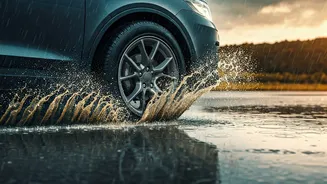
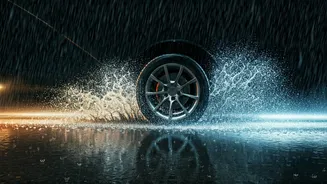
Hydroplaning is a terrifying experience where your tyres lose contact with the road and skim on a layer of water, causing a complete loss of steering and braking control. It can happen at speeds as low as 50-60 km/h if the water is deep enough. To avoid it, stay away from large puddles and areas of standing water. If you do find yourself hydroplaning, do not panic and do not slam the brakes or jerk the steering wheel. Instead, gently ease your foot off the accelerator and keep the steering wheel straight until your tyres regain traction with the road surface.
5. Use Your Lights, But Not Your High Beams
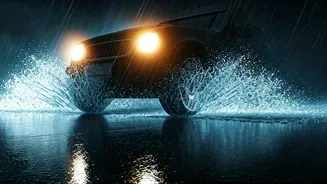
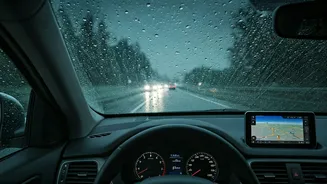
In heavy rain or low-light monsoon conditions, switch on your headlights (on the low beam setting) even during the day. This isn’t just about helping you see; it’s about helping other drivers see you. Your car is significantly less visible in a grey, rainy landscape. However, avoid using your high beams. The bright light will reflect off the raindrops, creating a wall of glare that severely hampers your own vision and blinds oncoming drivers. If your car has fog lamps, now is the time to use them, as their lower, wider beam is designed to cut through precipitation.
6. Be Wary of Waterlogged Streets
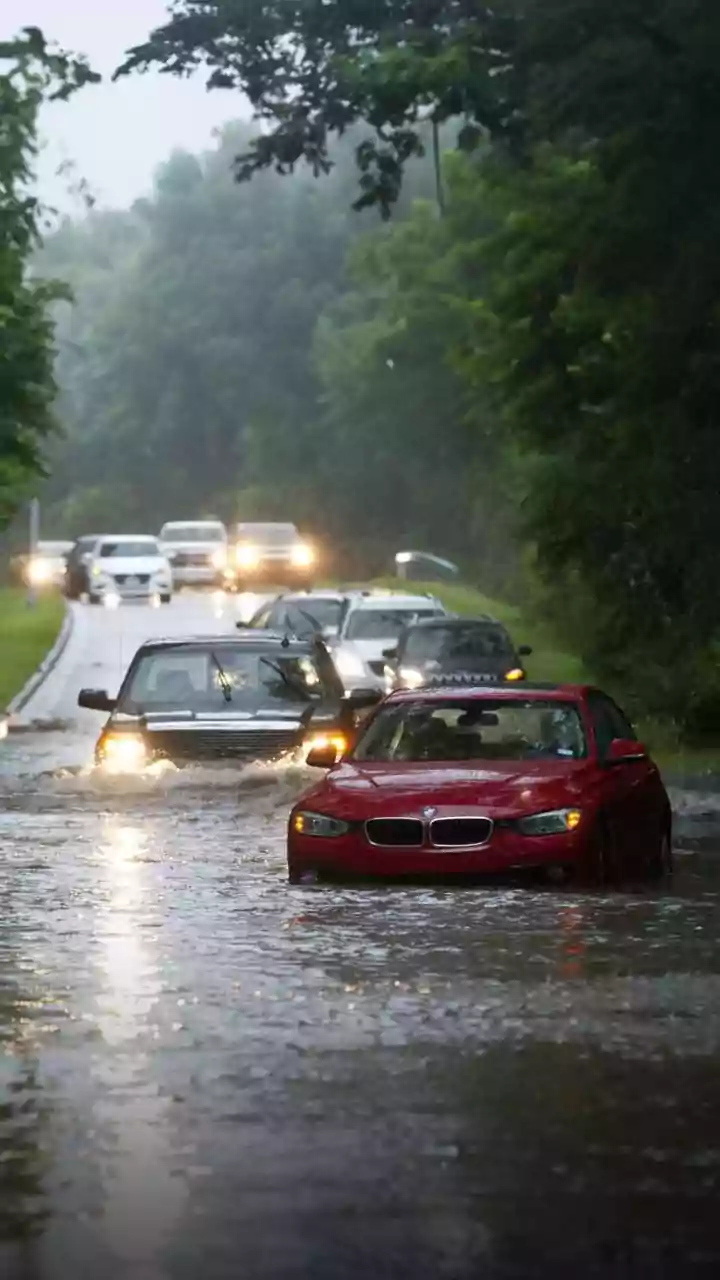
Indian cities are notorious for waterlogging. Never attempt to drive through a flooded street if you cannot gauge its depth. Water that seems shallow can easily hide deep potholes or damage your car's engine and electrical systems. A good rule of thumb is to avoid driving through water that is higher than the centre of your wheels. If you must proceed, drive slowly and steadily in a low gear to create a 'bow wave' that helps keep water out of the engine bay. After exiting the water, gently tap your brakes a few times to dry them out.
7. Avoid Sudden and Sharp Manoeuvres
Every action you take should be smooth and deliberate. Avoid sudden acceleration, hard braking, and sharp turns. These abrupt actions can easily unsettle the car on a low-grip surface, leading to a skid. Anticipate your moves well in advance. If you need to change lanes, signal early and make the move gradually. When approaching a turn, slow down well before you enter it, and gently accelerate as you exit. Think of it as driving with an egg under your pedals—every input should be measured and gentle.