





The Myth of Willpower
For years, we've been told that sticking to a healthy diet is a test of personal discipline. This idea suggests that if you fail, it's a personal failing. However, psychologists and nutrition experts are increasingly clear that willpower is a finite resource.
Relying on it to make dozens of good food choices every day, especially when you're tired, stressed, or facing financial pressure, is a strategy doomed to fail. When you're hungry after a long day, the path of least resistance—often a processed meal or expensive delivery—wins. This isn't a lack of character; it's a predictable outcome of a flawed system. The constant need to resist temptation drains your mental energy, making you more likely to give in. The shame that follows can lead to a cycle of giving up altogether.
Shift to a Planner’s Mindset
The real solution isn't more willpower; it's better planning. Think of it as designing an environment where the healthy, affordable choice is the easiest one to make. Meal planning isn't about rigid, boring diets. It is a strategic tool that removes the guesswork and reduces decision fatigue. By deciding what you'll eat ahead of time, you eliminate the frantic, last-minute question of "What's for dinner?". This simple shift frees up mental energy and puts you back in control of your food and your budget. A plan, even a loose one, acts as your roadmap for the week, guiding your shopping and cooking.
Start With What You Have
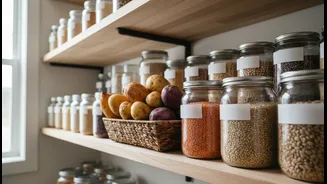
Effective planning begins not at the grocery store, but in your own kitchen. Before creating a menu, conduct a quick audit of your pantry, fridge, and freezer. What ingredients do you already have that need to be used? That half-used bag of dal, the wilting spinach, or the frozen chicken are the building blocks of your first few meals. Planning around existing inventory is the fastest way to reduce food waste and cut down your grocery bill. Create a "must-use" list and design your first few meals around these items. This approach ensures that you're not buying duplicates and that food doesn't spoil before you get a chance to eat it.
Master the Art of the Grocery List
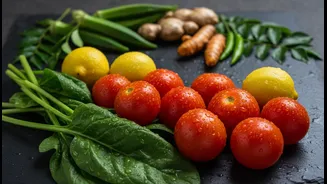
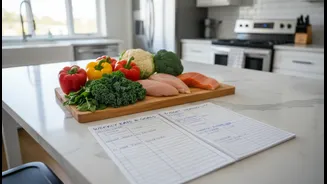
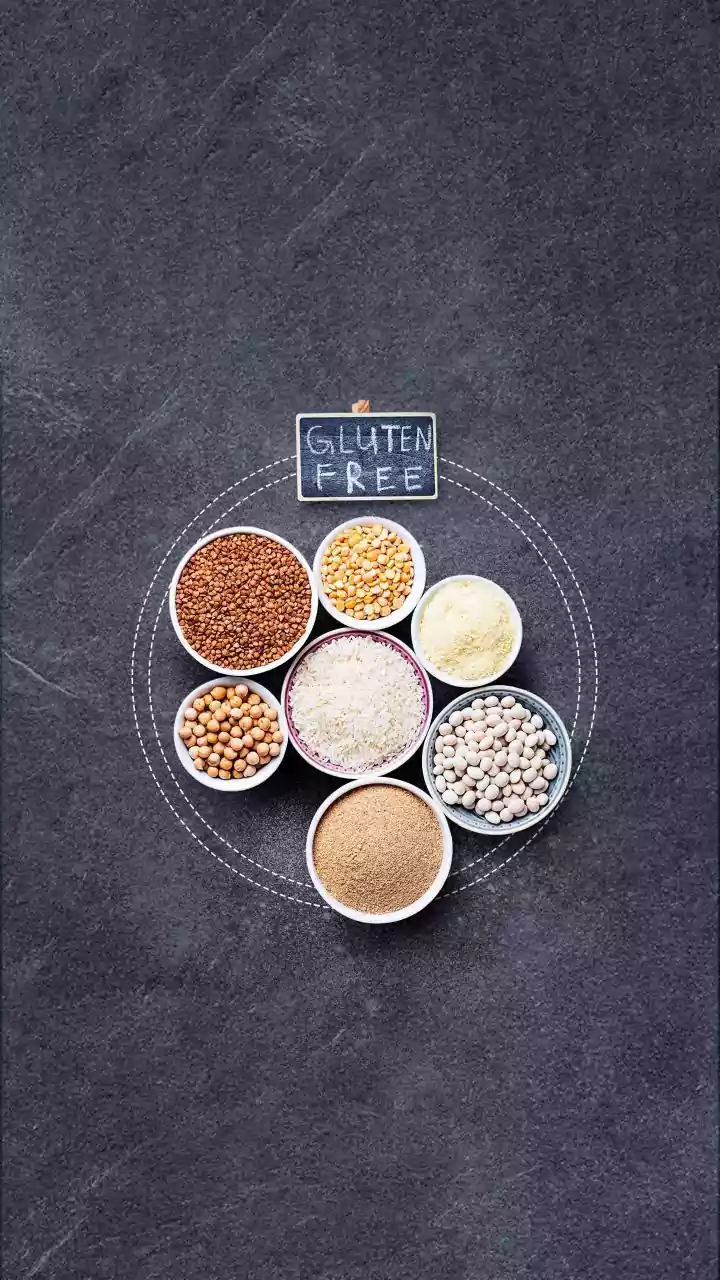
Once you know what you have and what you plan to cook, create a detailed grocery list. Shopping with a list is proven to prevent impulse buys, which are often unhealthy and expensive. For Indian kitchens, focus on affordable, nutrient-dense staples. Prioritise seasonal vegetables from a local mandi, which are cheaper and fresher. Stock up on bulk items like dals, legumes, millets (jowar, bajra), and rice. These form the backbone of a traditional, affordable Indian diet. Your list should also include economical protein sources like eggs, chana, and peanuts. By sticking to your list, you shop with purpose and avoid the lure of packaged, processed foods that offer poor nutritional value for their price.
Cook Once, Eat Multiple Times
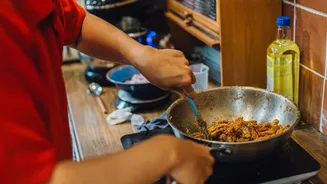
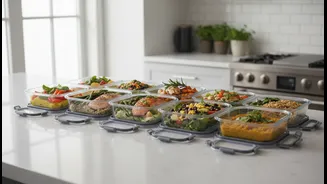
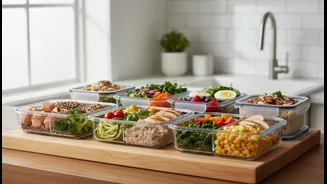
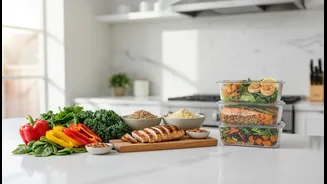
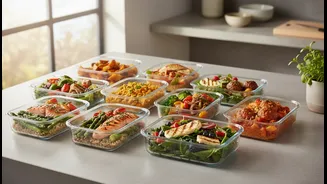
One of the most effective planning strategies is batch cooking. This doesn't mean you have to prepare a week's worth of identical meals. Instead, cook core components in larger quantities. For instance, make a large batch of tadka for dal, a versatile gravy base for different sabzis, or boil a larger portion of chickpeas. These pre-prepared components can be used in different dishes throughout the week, drastically cutting down on daily cooking time. Leftover roasted chicken can become a salad topping the next day, and extra dal can be used to make parathas. This approach not only saves time but also makes home-cooked meals just as convenient as takeout.