


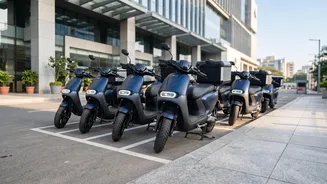
The Dark Store Defined
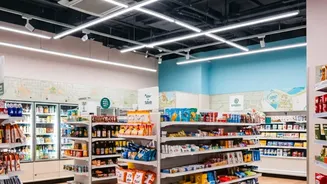
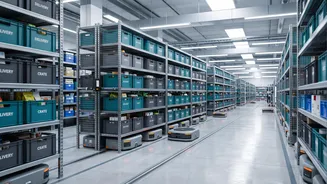
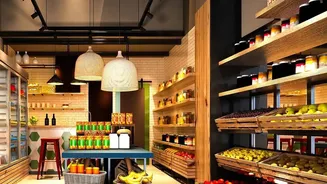
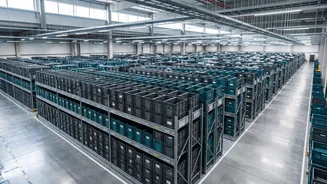
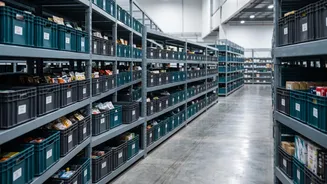
Before diving into the numbers, it’s crucial to understand what a 'dark store' is. Unlike a traditional Kirana or supermarket, a dark store is a retail location that customers never enter. It is a micro-fulfilment centre, a small warehouse strategically
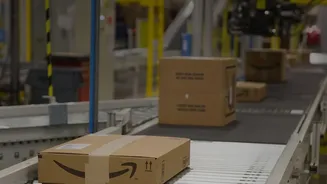
placed in a dense residential or commercial area. These spaces, typically between 3,000 and 8,000 square feet, are optimised for one thing only: speed. Workers inside pick and pack orders from shelves stocked with everything from fresh produce to electronics, handing them off to a waiting fleet of delivery partners. The goal is to get goods from the shelf to a customer's doorstep, often within a 2-3 kilometre radius, in under 30 minutes.
A Battle of Numbers
Bengaluru is widely considered the epicentre of India's quick-commerce revolution. However, pinning down the exact number of dark stores in the city is a challenge, with different data providers offering a range of figures. For instance, one data compiler, QuickCommerceMap, reported 629 dark stores in Bengaluru as of July 2026, operated by major players like Blinkit, Zepto, Swiggy Instamart, Flipkart Minutes, and BigBasket. Yet, other publicly available trackers suggest the number could be as high as 806 or even over 1,000 when including platforms like DMart Ready and JioMart. For example, one July 2026 dataset shows Blinkit with 165 stores, while another from the same period puts the number at 220. This discrepancy isn't about one source being right and another wrong; it highlights the complex and fast-moving nature of the market.
Why the Counts Don't Match
Several factors contribute to these differing counts. Firstly, the definition of a 'dark store' can vary. Some researchers may only count dedicated, standalone micro-warehouses, while others might include hybrid models where a portion of an existing supermarket or retail outlet is used for online fulfilment. Secondly, the market is incredibly dynamic. Stores open and close at a rapid pace as companies refine their delivery zones and chase profitability. A dataset compiled in July might be outdated by October. Finally, methodology plays a huge role. Some counts are based on publicly available serviceability data and app interfaces, which can be an estimate, while others may have access to more direct company information. The secretive nature of this highly competitive industry means platforms don't always advertise their full network.
Bengaluru: A Perfect Storm for Q-Commerce
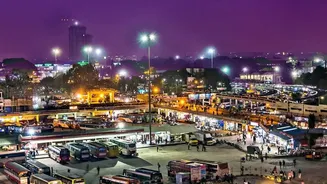
Regardless of the exact number, Bengaluru's leadership is undisputed. The city has more dark stores than any other in India, accounting for over 11% of the national total. This concentration is driven by a unique combination of factors. Bengaluru's notorious traffic makes quick, hyperlocal delivery a compelling alternative to a trip to the store. Its dense, high-income residential corridors, particularly in areas like HSR Layout, Bellandur, and Whitefield, provide the necessary order volume to make dark stores economically viable. The city's tech-savvy population and high smartphone penetration create a ready consumer base accustomed to app-based services. This has led to intense competition, with Bengaluru being one of the most evenly contested markets among the major platforms.
The Reshaping of Urban Real Estate
This explosive growth is having a tangible impact on Bengaluru's urban fabric. The demand for small, well-located commercial spaces has surged, with property owners in some dense areas seeing rental inquiries jump and returns increase by leasing to quick-commerce companies instead of traditional retailers. This trend has turned ground-floor spaces and older commercial properties in residential zones into valuable logistics assets. However, this expansion is not without its challenges. The constant traffic of delivery vehicles can lead to congestion and noise complaints from residents. Furthermore, many of these stores operate in a grey area of zoning regulations, posing potential compliance risks for the companies involved.