


Why Planning is Everything in Winter
A successful Himalayan winter trek is less about impulse and more about preparation. Unlike summer hikes, the snow season introduces challenges like sub-zero temperatures, unpredictable weather, and shorter daylight hours. Proper planning is not just
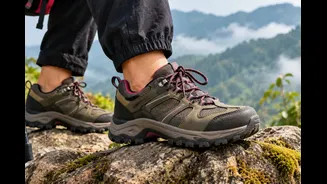
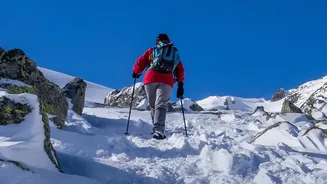
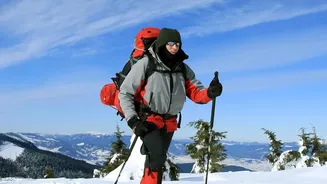
for comfort; it is crucial for safety. This means booking with a reliable operator, as many trails become difficult to navigate. You'll also need to prepare physically, as walking on snow at high altitudes is more demanding. A month or two of cardio exercises like running or jogging can make a significant difference. Finally, your gear is your lifeline. Investing in or renting the right equipment—from waterproof boots and layered clothing to a sub-zero sleeping bag—is non-negotiable. A well-thought-out plan ensures you can focus on the incredible beauty around you instead of worrying about the cold.
Kedarkantha: The Classic Winter Summit
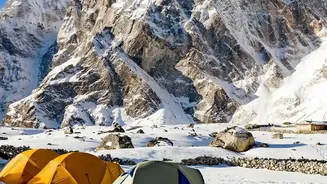
Often called the 'Queen of Winter Treks', Kedarkantha in Uttarakhand is one of the most popular choices, especially for those attempting their first snow summit. This trek is perfectly suited for beginners, offering a gradual ascent over approximately 20 km. The journey typically takes six days, starting from the village of Sankri. Trekkers walk through beautiful pine forests, camp beside the frozen Juda-ka-Talab lake, and push for a pre-dawn summit climb to witness a spectacular 360-degree sunrise view of peaks like Swargarohini and Bandarpoonch. With altitudes reaching around 12,500 feet, it presents a manageable challenge with an immense reward, making it an ideal introduction to the magic of Himalayan winters.
Brahmatal: The Trek of Frozen Lakes
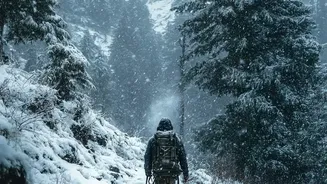
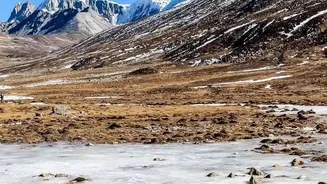
For those seeking stunning mountain views and the charm of frozen alpine lakes, Brahmatal is an excellent alternative to the often-crowded Kedarkantha. This six-day trek in Uttarakhand starts from Lohajung and is considered easy to moderate, making it suitable for fit beginners. The trail guides you through enchanting oak and rhododendron forests, which are especially beautiful when covered in snow. The main highlights are the two frozen lakes, Bekaltal and the eponymous Brahmatal, where Lord Brahma is said to have meditated. The summit ridge at about 12,250 feet offers breathtaking panoramas of the mighty Mt. Trishul and Nanda Ghunti, making for an unforgettable experience.
Dayara Bugyal: The Endless Snow Meadows
If your dream winter scene involves vast, rolling meadows blanketed in soft snow, Dayara Bugyal is the trek for you. Regarded as one of the most beautiful high-altitude meadows in India, this trek is particularly friendly for beginners and families. The trail, usually covered over four to five days from the village of Raithal, is a gradual climb through forests before opening up to the expansive 'bugyal' (meadow). In winter, this landscape transforms into a pristine white canvas with views of prominent peaks like Bandarpoonch. At an altitude of around 12,000 feet, it offers the quintessential snow trek experience without being excessively strenuous.
Kuari Pass: The Lord Curzon Trail
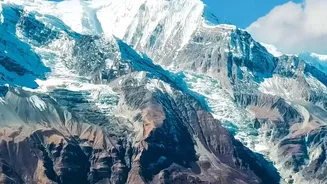
For beginners who are fit and ready for a slightly more challenging route, the Kuari Pass trek offers some of the most spectacular mountain views in the Garhwal Himalayas. Famous for its panoramic vistas of peaks like Nanda Devi and Dronagiri, this trek follows a trail first explored by Lord Curzon. Typically a six-day journey, it takes you through ancient forests, snow-covered meadows, and beautiful campsites. While graded as easy-to-moderate, the altitude of around 12,700 feet and variable snow conditions mean that good physical preparation is essential for a safe and enjoyable experience.
A Note on the Chadar Trek
The legendary Chadar Trek, a walk on the frozen Zanskar River in Ladakh, has long been on the bucket list of serious adventurers. However, its operation has become highly uncertain due to climate change and unsafe ice formation. In recent years, including January 2026, the trek was suspended by the local administration because the river did not freeze adequately, posing significant risks. While it is an iconic journey, it is generally not recommended for beginners due to the extreme cold (with temperatures dropping to -30°C), high altitude, and the inherent dangers of walking on a frozen river. As of late 2026, its status for the 2027 season remains unconfirmed, and prospective trekkers should look for official announcements from the Ladakh authorities before making any plans.