



From Treadmills to Tradition
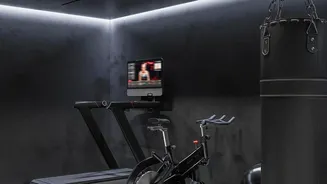
For years, the image of fitness in urban India was dominated by Western ideals: weight training, cardio machines, and high-intensity interval training classes. While these remain popular, a new movement is gaining ground, one that is deeply rooted in India’s
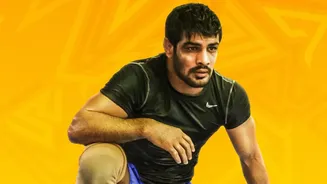
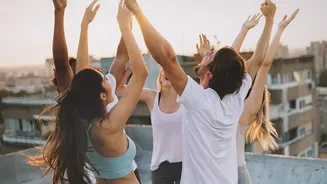
own history. Young Indians are increasingly seeking out traditional forms of movement that offer more than just physical benefits. This shift is part of a broader trend towards holistic wellness, where mental and spiritual well-being are as important as physical strength. The focus is moving away from purely aesthetic goals towards functional strength, mobility, and a deeper connection with one's body and culture. This change is driven by a generation that is digitally connected yet searching for authenticity.
The Ancient Arts Reimagined
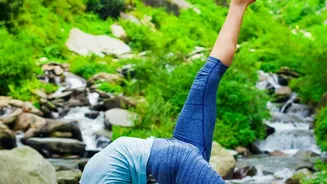
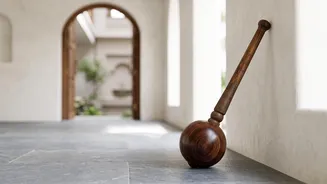
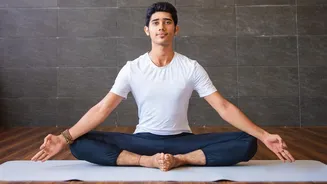
Several traditional practices are at the forefront of this revival. Kalaripayattu, a martial art from Kerala considered one of the oldest in the world, is attracting a new generation of followers with its dynamic combination of strikes, kicks, and weaponry. It's valued not just for self-defence, but for the incredible focus and flexibility it builds. Similarly, Mallakhamb, a traditional sport involving gymnastic feats on a vertical wooden pole or rope, is being celebrated for its ability to develop strength and agility. Government initiatives like the Khelo India Youth Games have also helped boost the visibility of these sports by including them in national competitions, sparking interest far beyond their regions of origin. Even yoga is being rediscovered, with Gen Z looking beyond the physical postures to embrace pranayama (breathing practices) and meditation to manage stress and improve focus in their hyper-connected lives.
Why Now? The Gen Z Appeal
Several factors are fueling this trend. For one, there is a growing sense of cultural pride and a desire to connect with one’s roots. In a globalized world, these ancient practices offer a unique sense of identity. Social media also plays a significant role. The visual appeal of a flowing Kalaripayattu sequence or a gravity-defying Mallakhamb pose is perfectly suited for platforms like Instagram, where influencers and practitioners showcase these arts to a wide audience. Furthermore, the holistic nature of these practices resonates deeply with a generation that is acutely aware of mental health and burnout. After the global pandemic, there has been a significant shift towards preventive health and long-term wellness, with many young people seeking sustainable practices over quick fixes. They are looking for workouts that calm the mind, build resilience, and offer a sense of community.
Not Just a Workout, a Worldview
Ultimately, the rediscovery of traditional movement is about more than just fitness. It represents a shift in worldview. For many young practitioners, these arts are a way to cultivate discipline, self-awareness, and a peaceful mind. They are choosing to engage in practices that have been passed down through generations, blending ancient wisdom with their modern lives. This is not a rejection of modernity, but an integration of it. Young Indians are using digital tools to learn about and share these practices, creating a new, hybrid wellness culture that is both globally aware and deeply Indian. By embracing these traditions, they are not just building stronger bodies, but also reinforcing their connection to a rich cultural legacy.