



Meet the SPEARS Battery
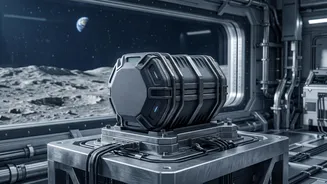
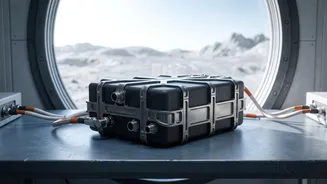
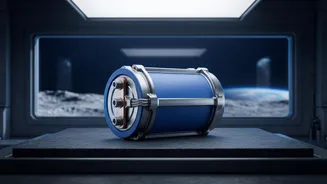
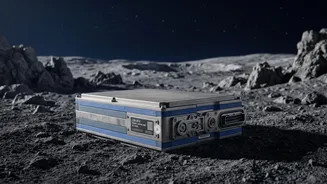
At the heart of this innovation is SPEARS, which stands for Solid-state Power for Extreme-environment and Robotic Systems. Unlike the conventional lithium-ion batteries in your phone or electric car, which use a flammable liquid electrolyte to function,
solid-state batteries use a solid material instead. This fundamental difference, a project led by NASA's Glenn Research Center, is what gives SPEARS its revolutionary potential. By eliminating the liquid, the battery becomes far safer and less prone to catching fire—a critical concern for any space mission, especially those carrying astronauts. This design isn't just a minor tweak; it's a complete reimagining of how to store and deliver power safely and efficiently.
Engineered for the Extremes
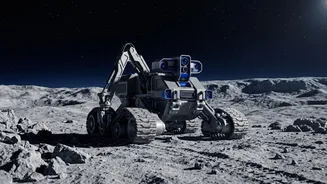
The true breakthrough of SPEARS lies in its resilience. Current lithium-ion batteries have a narrow comfort zone, struggling in extreme heat or cold. SPEARS, however, is being designed to operate across a massive temperature range, from the bitter cold of a lunar night to the scorching heat on the surface of other planets. This durability would allow robotic rovers to survive and operate for longer periods, gathering more data in places that are currently inaccessible. Furthermore, solid-state technology promises significantly higher energy density. This means the batteries can be lighter and smaller while holding more power, freeing up precious weight and space on a spacecraft for more scientific instruments or other critical equipment.
The Next Phase of Testing
With the core concept proven in the lab, NASA is now moving toward the next crucial phase: more rigorous testing to prepare the technology for actual space missions. This involves scaling up the battery cells from small prototypes to larger, more powerful units. These scaled-up versions will then be subjected to punishing tests that simulate the harsh realities of space. This includes placing them in vacuum chambers and exposing them to the extreme thermal cycling they would experience in orbit or on a planetary surface. The goal is to advance the technology to what engineers call 'Technology Readiness Level 5', which signifies that the battery has been successfully tested in a simulated, relevant environment, bringing it one step closer to flying on a real mission.
Powering the Future of Exploration
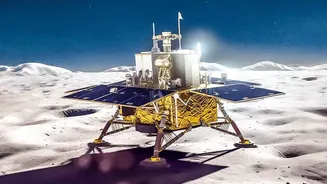
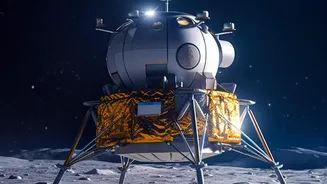
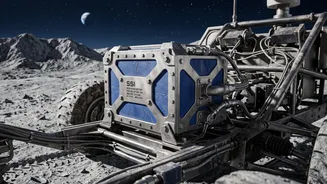
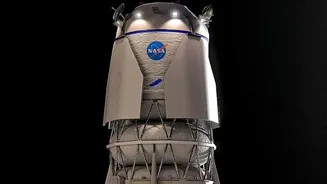
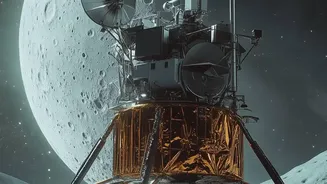
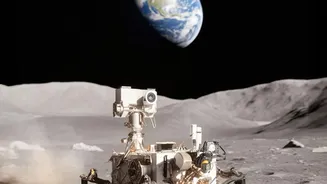
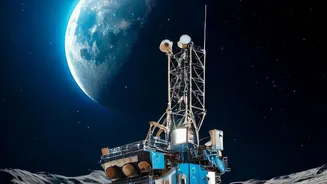
The successful development of SPEARS would have a profound impact on NASA's future plans. For the Artemis program, which aims to establish a sustainable human presence on the Moon, these batteries could power landers, habitats, and rovers through the two-week-long, frigid lunar nights. For robotic explorers, it could enable ambitious missions to destinations currently considered too hostile, like the surface of Venus. By providing a reliable, safe, and long-lasting power source, SPEARS isn't just an upgrade; it's an enabling technology that could unlock a new era of more complex and daring scientific exploration across the solar system.
From Space Missions to Electric Cars
While SPEARS is being designed for space, its impact could be felt much closer to home. The same benefits—enhanced safety, lighter weight, and better performance in extreme temperatures—are highly sought after by numerous industries on Earth. NASA has already indicated it is seeking commercial partners to help mature the technology for terrestrial use. The most obvious application is in electric vehicles (EVs), where a safer, lighter, and more energy-dense battery could increase range and reduce charging times. The technology could also find its way into electric aircraft, a developing industry where battery weight and safety are paramount. This initiative follows a long tradition of NASA innovations that have ultimately trickled down into everyday consumer products, turning a solution for space into a solution for us all.