







1. Millets: The Ancient Grain Renaissance
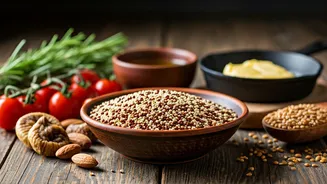
Not long ago, millets like ragi, jowar, and bajra were often seen as humble, rural foods. Today, they are staging a spectacular comeback, becoming a chic staple in urban kitchens. This revival is fuelled by a perfect storm of factors. Firstly, their health
profile is undeniable. As naturally gluten-free grains packed with fibre, protein, and micronutrients, they appeal to the wellness-conscious consumer looking for alternatives to refined wheat and rice. The Indian government’s push, culminating in the UN’s declaration of 2023 as the 'International Year of Millets,' has significantly boosted awareness and availability. But the real shift is in their application. Millets have broken free from the confines of just rotis or porridges. Home cooks are now using millet flour for baking cakes and cookies, whipping up fluffy millet upma, creating hearty salads with cooked foxtail or barnyard millets, and even making millet-based risotto. Their versatility, combined with a nostalgic connection to our culinary roots, makes them a powerful, modern staple.
2. Gourmet Ghee: The Golden Upgrade
Ghee has always been the golden heart of the Indian kitchen, but its recent avatar is far from basic. We’re witnessing a move away from mass-produced vegetable ghee or even standard dairy ghee towards artisanal, premium versions. This isn't just about purity; it's about specificity and enhancement. A2 ghee, made from the milk of desi cow breeds, is gaining immense popularity for its purported health benefits and superior flavour profile. People are actively seeking out hand-churned, bilona-method ghee that promises a more authentic, nutrient-rich experience.
Beyond that, the market for infused ghee is booming. Think bottles of liquid gold flavoured with garlic, turmeric, or herbs, ready to elevate a simple dal or sabzi with a single spoonful. This trend taps into a desire to reconnect with traditional food wisdom while embracing a gourmet sensibility. It's no longer just a cooking medium; it's a finishing oil, a health supplement in coffee (à la 'bulletproof coffee'), and a flavour-packed drizzle over toast, transforming it from a simple fat into a luxury ingredient.
3. Plant-Based Milks: Beyond the Alternative
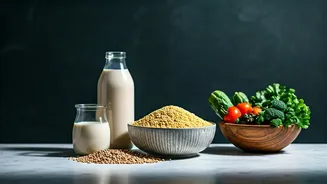
The dairy-alternative section in supermarkets has exploded, moving from a niche corner to a mainstream aisle. While soy milk has been around for a while, the current wave is led by oat milk and almond milk, with coconut and rice milk also finding favour. This trend is no longer confined to vegans or those with lactose intolerance. A growing number of people are becoming 'flexitarian' with their dairy intake, choosing plant-based milks for specific uses or for their perceived health and environmental benefits.
Oat milk has won over coffee lovers with its creamy texture and ability to froth beautifully for lattes and cappuccinos. Its neutral taste makes it a seamless substitute in chai and baked goods. Almond milk, with its lighter consistency and nutty flavour, has become a go-to for smoothies, cereal, and overnight oats. This diversification reflects a more conscious approach to consumption. Consumers are learning which plant milk works best for which purpose, keeping two or even three different types on hand—one for their morning coffee, one for their children’s cereal, and another for cooking, cementing plant-based milk's place as a new, versatile kitchen staple.