






The Psychology of 'Buy Now, Pay Later'
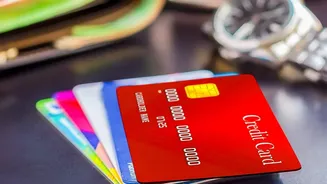
A credit card is more than just plastic; it’s a psychological tool. When you swipe a credit card, you don't see money leaving your account. This creates a disconnect between the pleasure of buying something and the pain of paying for it. Studies have
shown that people are willing to spend significantly more when using a credit card compared to cash because the transaction feels less real. Your brain gets the instant gratification of a new purchase, while the financial consequence is delayed until the bill arrives. This separation makes it incredibly easy to overspend without realising it. A debit card, on the other hand, provides immediate feedback—the money is gone from your account instantly. This creates a natural brake on spending that credit cards lack.
The Golden Rule: Spend Only What You Have
The single most effective strategy to avoid debt is to treat your credit card exactly like your debit card. This means you should only make a purchase with your credit card if you have the full amount available in your bank account at that exact moment. Forget about your credit limit; your real limit is your bank balance. This isn't about avoiding credit cards altogether. It’s about using them as a payment method for convenience and rewards, not as a way to borrow money for everyday expenses. Adopting this mindset transforms the card from a source of potential debt into a simple tool for transactions. It requires discipline, but it’s a habit that pays dividends for your entire financial life by ensuring you never spend money you don't actually possess.
Practical Steps for Financial Discipline
Putting this rule into practice requires a few simple but non-negotiable habits. First, before every single credit card swipe, open your banking app and check your balance. If the money isn’t there, don’t make the purchase. Second, set up auto-pay to clear your entire credit card balance every month, not just the minimum amount. This is the cornerstone of responsible credit card use. If auto-pay makes you nervous, set multiple calendar reminders to pay it in full a few days before the due date. Third, turn on real-time transaction alerts to keep track of your spending as it happens. Finally, if you're new to credit, ask your bank to set a lower credit limit initially. A smaller limit provides a safety net against the temptation to overspend as you build financial discipline.
Reaping the Rewards Without the Risk
If you have to be this careful, why use a credit card at all? Because when you master this discipline, you get the best of both worlds. You gain all the advantages of a credit card without any of the crippling downsides. You can earn valuable reward points, cashback, and travel miles on spending you would have done anyway. Furthermore, you build a positive credit history. Every on-time, in-full payment is reported to credit bureaus, improving your credit score. A strong credit score is essential for your financial future in India, as it unlocks better interest rates on major loans for a car, a home, or starting a business. By treating your credit card like a debit card, you are essentially building your financial reputation for free.
Beware the 'Minimum Amount Due' Trap
The 'minimum amount due' is one of the most common and dangerous traps for young workers. It seems like a helpful option, but it's designed to keep you in debt. When you only pay the minimum, the remaining balance starts accumulating interest at a very high rate, often over 40% annually in India. This interest compounds, meaning you start paying interest on your interest, and the debt can spiral out of control very quickly. A small purchase can end up costing you double or triple its original price over time. Paying only the minimum turns your credit card from a convenient tool into an expensive loan. Always aim to pay 100% of your statement balance, every single month, without exception.