



The Monsoon's Magical Makeover
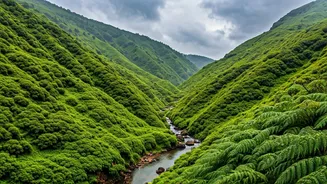
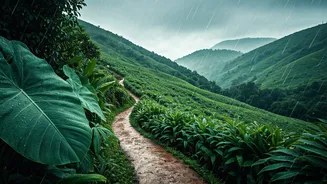
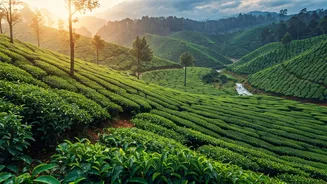
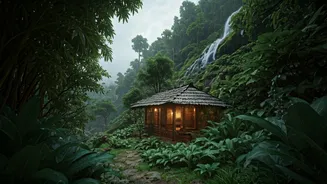
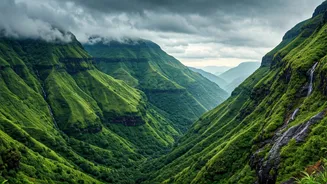
The primary driver of this trend is the dramatic transformation the monsoon brings to the region. Spanning Gujarat, Maharashtra, Goa, Karnataka, Kerala, and Tamil Nadu, the Western Ghats shed their dry-season dust and burst into vibrant life. Countless
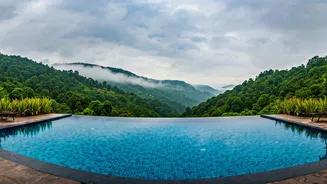
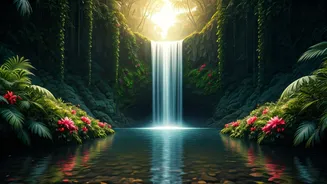
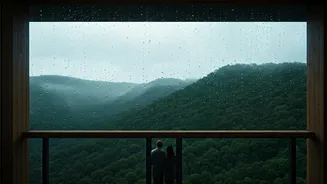
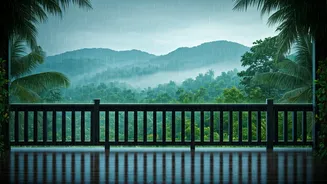
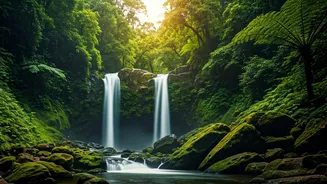
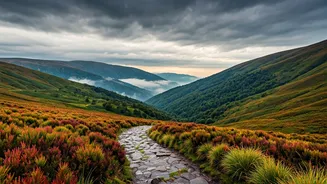
seasonal waterfalls erupt from hillsides, rivers swell, and a thick carpet of green covers every inch of the landscape. This annual spectacle, where ancient mountains older than the Himalayas come alive, is profoundly photogenic, creating a powerful lure for those seeking escape and beauty. The air fills with the smell of wet earth, and entire valleys are wrapped in a cinematic, moving mist, making it an immersive sensory experience.
A Post-Pandemic Shift in Mindset
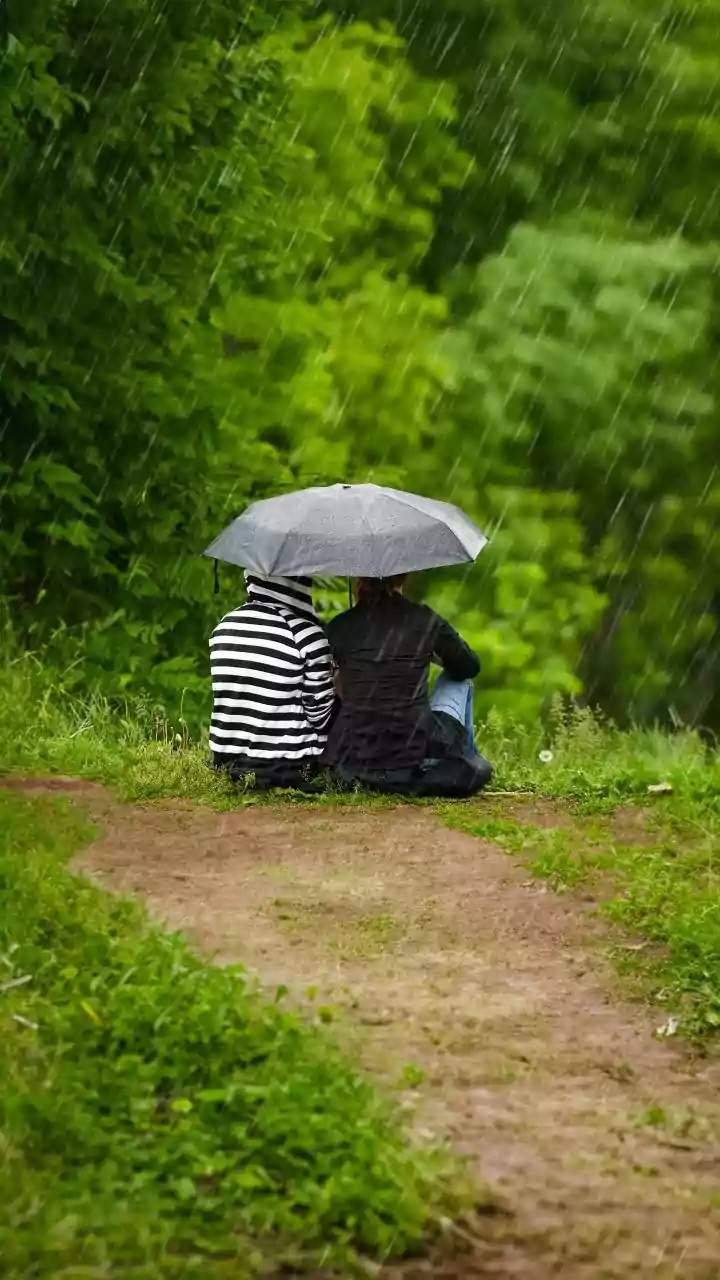
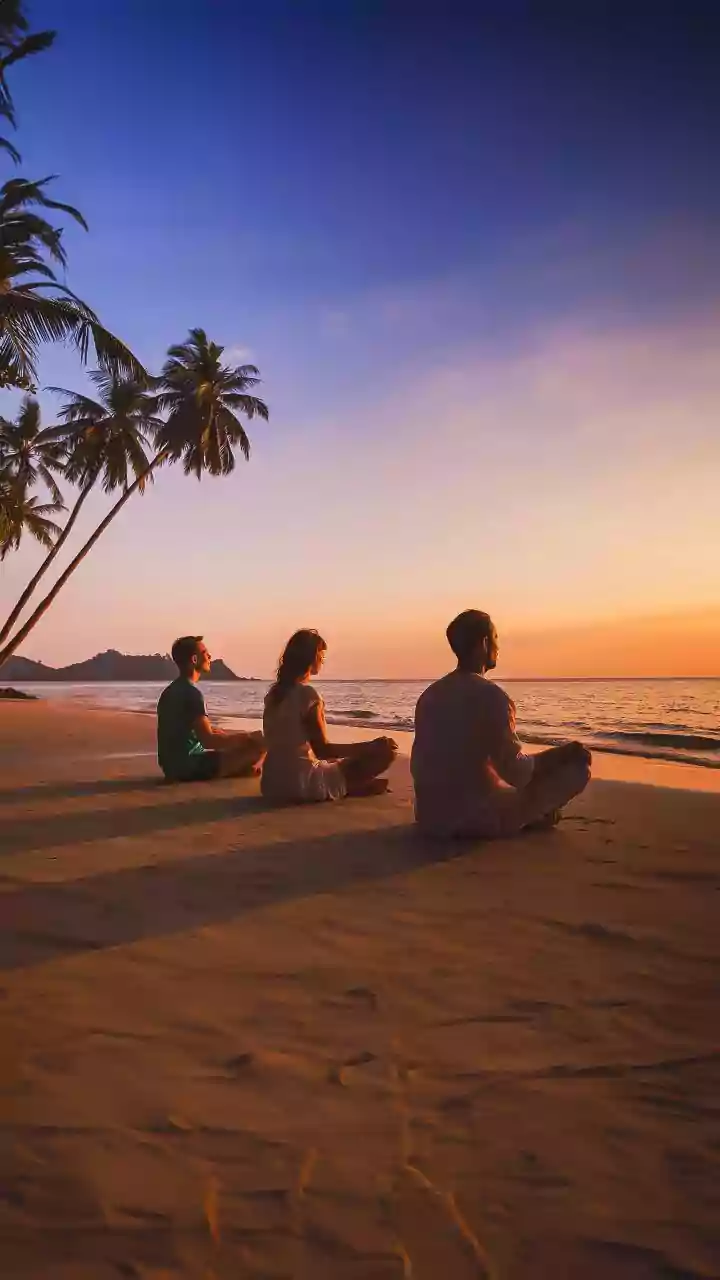
The travel landscape in India has seen a significant shift in recent years. There's a growing preference for nature-centric holidays that offer a break from urban chaos. A recent survey indicated that 91% of Indian travellers want to explore places with beautiful natural scenery, and 87% are seeking trips that help them mentally unwind. The Western Ghats, with their vast protected forests and serene hill stations, perfectly cater to this need for disconnection and reconnection with nature. This desire for open spaces and less crowded destinations has steered travellers away from conventional tourist traps and towards the immersive tranquillity the Ghats provide.
The Allure of the Great Indian Road Trip
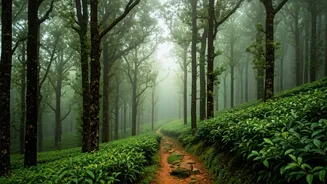
Improved highway infrastructure has made the Ghats more accessible than ever, fuelling a renaissance in road-tripping. Driving from major hubs like Mumbai, Pune, Bengaluru, or Kochi is now safer and more convenient, turning the journey itself into part of the adventure. Routes like the misty Mumbai-Mahabaleshwar drive, the winding roads through Karnataka's coffee estates to Coorg, or the coastal journey to Goa are seeing heavy traffic. This self-drive culture gives travellers the freedom to explore remote homestays and chase spontaneous views, a flexibility that has become a top priority.
Engineered for Social Media
Let's be honest: the 'gram factor is huge. The Western Ghats in the monsoon seem tailor-made for viral content. Slow-motion videos of rain-soaked leaves, drone shots following a car along a foggy mountain pass, and reels capturing the raw power of Jog or Dudhsagar Falls are dominating feeds. This user-generated content acts as a powerful, real-time travel guide. Seeing friends and influencers post breathtaking, easily accessible scenes creates a compelling and immediate desire to experience it too. However, this has also led to a new kind of tourism, where people travel specifically to capture a trending video or photo.
Beyond Postcards to Deeper Experiences
While iconic spots like Munnar, Ooty, and Lonavala remain popular, a new wave of travellers is pushing deeper into the Ghats. There's a growing interest in experiences that go beyond sightseeing. Instead of just visiting a viewpoint, people are signing up for naturalist-led frog walks in Agumbe and Amboli after dark, when the forests are alive with amphibian calls. Firefly festivals in the Sahyadris, where thousands of insects light up the forests, have become a major draw in Maharashtra. This shift towards experiential and eco-tourism shows a desire to engage with these biodiversity hotspots on a more meaningful level, creating a seasonal 'rain economy' for local communities.