



The Rise of Protein Culture
From gym-goers to busy professionals, everyone seems to be talking about their protein intake. This isn't entirely without reason. For years, experts noted a potential protein gap in typical Indian diets, which are often rich in carbohydrates. [15, 25]
The growing awareness around fitness and health has put this single macronutrient in the spotlight. [26] The Indian protein supplements market reached over USD 900 million in 2025 and is projected to grow significantly, fueled by rising health consciousness. [10, 12] Quick-commerce platforms report surges in protein-related orders, with demand in smaller cities growing even faster than in metros, showing that this is no longer just a big-city phenomenon. [21]
How Much Do You Really Need?
The panic often stems from a misunderstanding of our actual needs. According to the Indian Council of Medical Research (ICMR), the Recommended Dietary Allowance (RDA) for a healthy adult is 0.83 grams of protein per kilogram of body weight per day. [2, 4] This means a person weighing 60 kg needs about 50 grams of protein daily, not the massive quantities often promoted by fitness influencers. [4] The ICMR explicitly cautions that a balanced diet consisting of cereals, pulses, milk products, eggs, or meat can sufficiently meet this daily requirement for most people. [4] The agency also advises against the routine use of protein supplements, suggesting they are only necessary under specific medical circumstances like severe malnutrition. [4]
The Downsides of Overconsumption
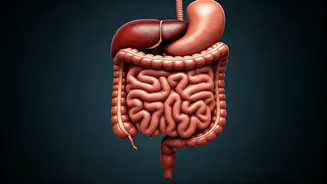
More isn't always better. Consuming protein far beyond your body's needs can impose a metabolic burden on your organs. [3] Excessive protein intake is linked to several health risks, including potential kidney strain, as your kidneys have to work harder to filter waste products from protein metabolism. [3, 6] It can also lead to dehydration, digestive issues, and even unwanted weight gain when excess protein is stored as fat. [5, 6] Some studies have also pointed to disorders of bone and calcium homeostasis with long-term high protein intake. [3] The ICMR has warned that prolonged intake of high-protein concentrates may lead to bone mineral loss and kidney damage. [28]
The Case for a Balanced Plate
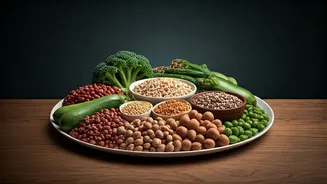
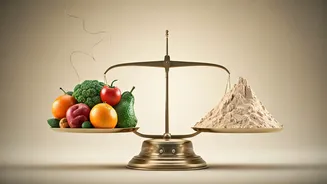
The true path to wellness lies not in obsessing over one nutrient, but in embracing a balanced diet. [11] A wholesome Indian meal, with its combination of dal, sabzi, roti or rice, and curd, is inherently designed for balance. [22, 27] These meals provide not just protein, but also essential carbohydrates for energy, fats for brain function, and a host of vitamins and minerals from vegetables and spices. [18] While many Indians get enough protein in terms of quantity, the quality can be an issue, with nearly half of it coming from cereals. [24, 29] Shifting the focus to include more diverse sources like pulses, legumes, dairy, and eggs can improve the quality of protein without requiring supplements. [25]
Finding Your Nutritional Balance
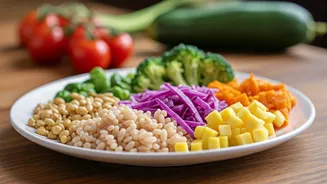
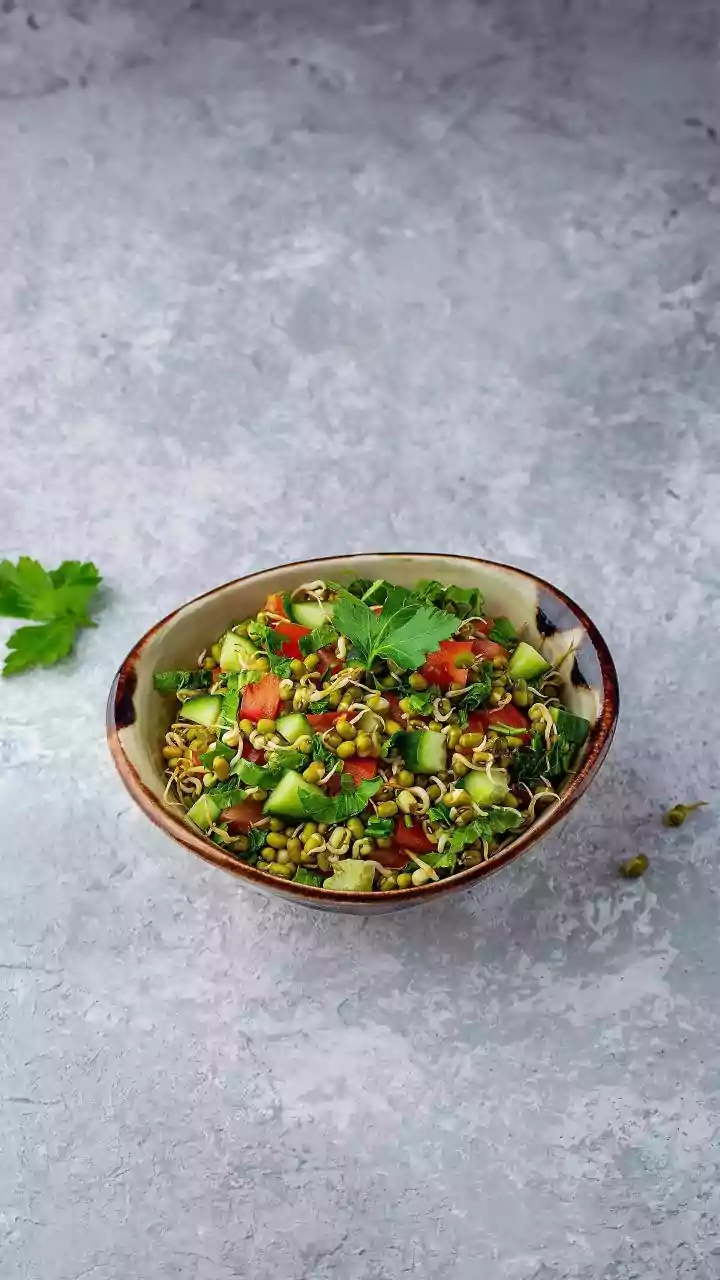
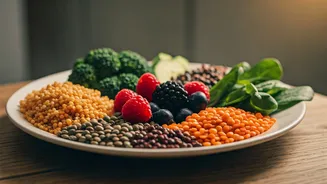
Instead of panicking about protein, aim for perspective. Focus on building a plate that is diverse and colorful. Make vegetables a significant portion of your meal. [20] Ensure you have a good quality protein source—be it a bowl of dal, a serving of paneer, a few eggs, or a piece of fish—with each meal. This distributed approach is more effective for the body to synthesise protein. [13] Listen to your body's hunger cues and prioritise whole, unprocessed foods over packaged products promising a quick protein fix. [17] Traditional Indian food habits, when not skewed by modern processed items, offer a powerful template for a healthy, balanced diet. [20]