


The Diamond Gets a New Polish
Walk into a trendy mithai shop today, and you might not recognise the humble Kaju Katli at first glance. While the original remains an undisputed champion, a new generation of chefs and confectioners are treating it like a canvas. Imagine Kaju Katli infused
with delicate rose and pistachio, offering a floral counterpoint to its creamy base. Or perhaps a version swirled with rich Belgian dark chocolate, catering to a more globalised palate. We're seeing everything from lavender-scented and coffee-flavoured bars to gin-infused versions for a distinctly adult treat. These aren't just flavour changes; the form is evolving too. Some artisans are creating Kaju Katli 'bark' or shaping it into intricate bonbons, borrowing techniques from European chocolatiers. It's a bold reimagining that asks a simple question: Can perfection be improved upon? For many, the answer is a delicious 'yes.'
Not Just a One-Sweet Show
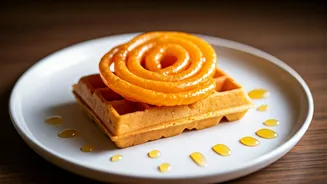
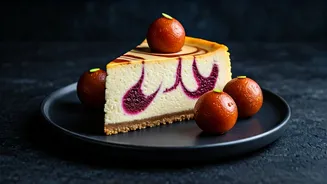
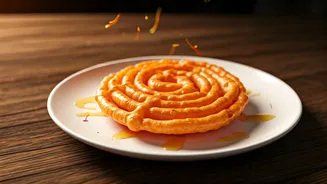
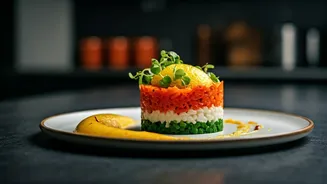
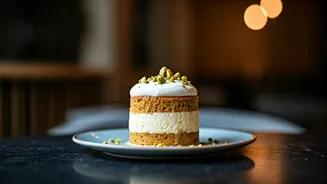
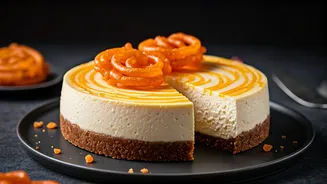
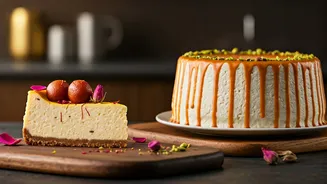
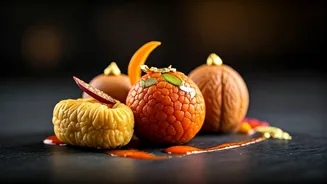
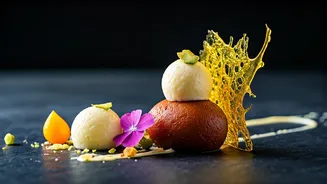
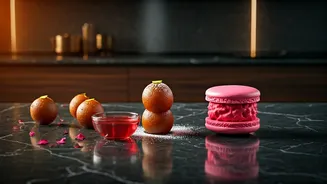
This wave of innovation isn't limited to just one sweet. The entire landscape of Indian mithai is buzzing with creative energy. The humble Motichoor Ladoo is being reinvented into cheesecakes or served as a warm 'crumble' with rabri. Gulab Jamuns are being filled with saffron-mousse, baked into tarts, or even deconstructed into plated desserts at fine-dining restaurants. Brands like Bombay Sweet Shop have built a business on this very idea, offering treats like a 'Kaapi Paak' (a Mysore Pak with coffee) or a 'Patissa Bar' that resembles a Flake chocolate. This trend signals a fundamental shift. Mithai is no longer just a traditional, festive obligation. It's becoming a gourmet experience, a field for culinary artistry where texture, presentation, and unexpected flavour pairings are just as important as the classic taste we all grew up with.
A Craving for Something New
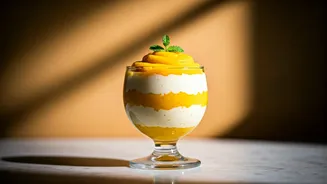
So, why is this happening now? Several factors are stirring the pot. Firstly, Indian palates are evolving. Exposure to global cuisines and dessert cultures, from French patisserie to Japanese mochi, has created an appetite for novelty and sophistication. Diners are more adventurous, willing to try familiar flavours in unfamiliar forms. Secondly, the power of social media cannot be understated. A visually stunning dessert is an 'Instagrammable' moment. The vibrant colours of a saffron-infused panna cotta or the glossy finish on a chocolate-covered ladoo are designed to be seen and shared, turning a simple sweet into a viral sensation. Finally, a new generation of Indian chefs, trained both at home and abroad, are looking to make their mark. They have immense respect for tradition but are not bound by it. They see our rich culinary heritage as a foundation upon which to build something new and exciting.
Innovation or Sacrilege?
Of course, this trend has its sceptics. For every person excited about a Hazelnut Peda, there's a purist who believes the classics should remain untouched. They argue that these fusions dilute the authentic taste and soul of the original recipes, which have been perfected over centuries. The comfort of a warm, syrupy Gulab Jamun or a simple, unadulterated Barfi is a powerful memory, deeply tied to family, festivals, and nostalgia. This debate, however, is a healthy one. It shows how deeply we care about our food culture. The innovators aren't trying to erase the originals; they are trying to start a new conversation. The classic Kaju Katli will always have its place at the wedding buffet and the Diwali gift box. But now, it has company—a younger, trendier cousin that's ready for its close-up.