






The Engine of Indian Agriculture
India's agricultural sector, which employs nearly half the population, is deeply dependent on the Southwest Monsoon. This four-month rainy season, from June to September, provides about 70% of the country's annual rainfall. It is especially critical for
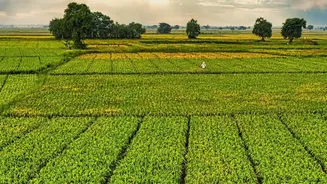
the Kharif or summer crops, which are sown at the beginning of the monsoon. These crops, including staples like rice (paddy), pulses, coarse cereals, and oilseeds, are predominantly rain-fed, meaning they rely on monsoon showers rather than irrigation. A timely and evenly distributed monsoon ensures healthy crop growth, replenishes reservoirs, and recharges groundwater, setting the stage for economic stability. When the rains falter, the entire agricultural calendar is thrown into disarray, starting a chain reaction that is eventually felt in every household.
A Forecast of Deficit and Delay
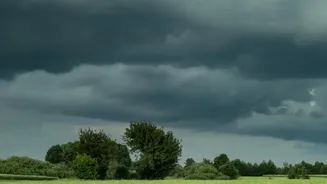
The 2026 monsoon season has been marked by uncertainty. After a significant deficit in June, rainfall recovered in July, but the outlook for the second half of the season remains weak. The India Meteorological Department (IMD) has forecast below-normal rainfall for August, predicting it to be less than 94% of the Long Period Average (LPA). This weakness is largely attributed to moderate El Niño conditions in the Pacific Ocean, a weather pattern historically associated with suppressed monsoon rainfall in India. While some regions are experiencing heavy downpours, the overall distribution has been uneven. As of early August, a significant number of districts across the country have recorded deficient rainfall, creating pockets of moisture stress just as crops enter a critical growth phase.
The Squeeze on the Farm
The direct impact of a patchy monsoon is first seen in sowing data. A lack of adequate rainfall delays planting and can force farmers to switch to less water-intensive, and sometimes less profitable, crops. As of mid-August 2026, the total area sown with Kharif crops was trailing the previous year. The acreage for paddy, the main Kharif crop, saw a noticeable decline, indicating that transplanting slowed due to insufficient rain in key growing areas. Similarly, sowing of some pulses and coarse cereals has also been affected. This reduction in planted area is the first step towards lower agricultural output. Lower yields per hectare are also a major risk, as crops that have been sown may not get enough water during their growth cycle, leading to a smaller harvest.
From Harvest to Market: The Supply Chain Disruption
A smaller harvest inevitably leads to a tighter supply in the markets. This basic principle of economics—less supply with steady demand—pushes prices up. However, the chain is more complex. The expectation of lower output can lead to speculative hoarding by traders, who store commodities in the hope of selling them at a higher price later. This practice artificially restricts supply even further, causing sharp price spikes. Furthermore, erratic and intense rainfall, even in a deficit year, can disrupt transportation by damaging roads and flooding key supply routes. This increases logistics costs, and that added expense is passed on, layer by layer, from the farmer to the wholesaler, the retailer, and finally, the consumer.
The Final Link: What You Pay for Food
The culmination of this chain is higher food inflation, which directly impacts household budgets. Recent data for July 2026 already showed an increase in food inflation to 5.52%, driven by rising prices of vegetables and other staples. Items like onions, ginger, and garlic have seen sharp price increases due to supply concerns. While some vegetable prices fluctuate quickly based on daily arrivals, the impact on staples like rice and pulses takes longer to appear but can be more sustained. This trend is expected to continue in the coming months as the full effect of the weaker monsoon and reduced Kharif harvest filters through the system. The Reserve Bank of India has flagged the uneven monsoon as a key risk, as rising food prices can push overall inflation higher and complicate economic management.