





A Paradise Facing a Global Threat
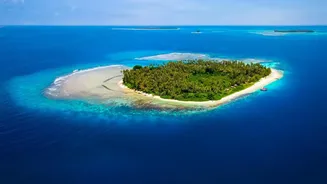
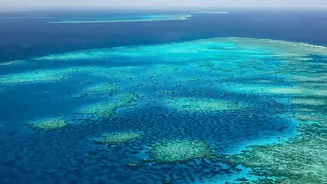
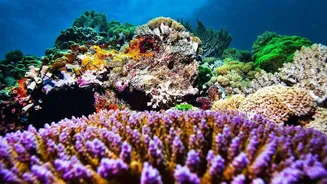
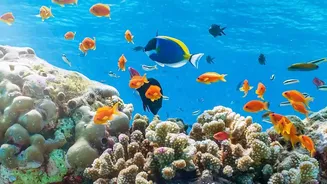
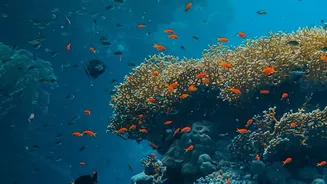
The image of Lakshadweep is one of pristine coral atolls teeming with life. However, this paradise faces a severe threat that local rules alone cannot stop. Scientific studies have painted a sobering picture, revealing that the archipelago's coral cover
has declined significantly over the past two decades. The primary culprit is mass coral bleaching, a phenomenon driven by rising sea surface temperatures linked to global climate change. These events, particularly the major heatwaves in 1998, 2010, 2016, and more recently, have caused widespread damage, threatening the very foundation of this unique ecosystem. The claim that the reefs are entirely 'intact' oversimplifies a complex and challenging reality where the ecosystem is under immense stress.
A Strategy of Controlling Local Pressures
While Lakshadweep cannot single-handedly reverse global climate trends, its administration has focused intensely on what it can control: the direct impact of human activity. The core of its strategy is to minimize local stressors to give the damaged reefs the best possible chance to recover and build resilience. This involves a carefully managed tourism policy that prioritizes environmental preservation over sheer volume. The approach acknowledges that a fragile environment has a limited carrying capacity, and aims to prevent issues like pollution, physical damage from boats and tourists, and strain on scarce resources like fresh water. The entire tourism framework is built on the principle of high-value, low-impact travel.
The Rulebook for Responsible Visitors
The first line of defense is a strict entry permit system. Every person who is not a native of the islands must obtain a permit before visiting. In early 2026, these rules were simplified to boost organised tourism, removing the need for a local sponsor or a police clearance certificate from a visitor's home district. However, the core requirements remain firm: applications must be submitted at least 14 days in advance, with a detailed itinerary that specifies which islands will be visited. Tourists are only allowed on the islands specified in their permit, a rule that prevents uncontrolled island-hopping and concentrates activity in areas equipped to handle visitors. Officials advise booking flights only after a permit is approved to ensure compliance.
Protecting the Ecosystem On-Site
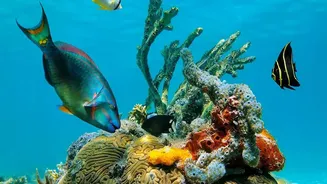
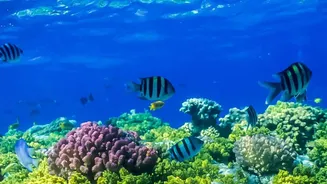
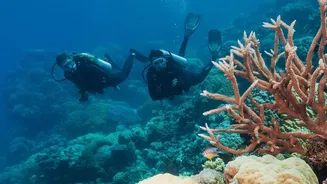
Beyond the permits, on-island regulations are crucial. To combat marine pollution, Lakshadweep has banned single-use plastics, encouraging visitors to use reusable alternatives. Water sports, which are a major attraction, are governed by strict guidelines. Activities like scuba diving and snorkeling are supervised to ensure tourists do not touch, stand on, or collect coral. Boaters are instructed to operate in ways that avoid damaging the sensitive reef structures. Furthermore, the administration, through bodies like the Society for Promotion of Nature Tourism and Sports (SPORTS), promotes eco-friendly infrastructure, including solar power and robust waste management systems, to reduce the overall footprint of tourism operations.
A Model for Resilience in a Changing World
Ultimately, Lakshadweep’s strategy is a lesson in ecosystem management in the age of climate change. The stringent local protocols create a protective bubble, reducing man-made disturbances that could otherwise hinder natural recovery. Scientific research suggests that coral reefs need long periods free from stress to have a chance at bouncing back. By managing pollution, preventing physical damage, and limiting tourist numbers, the administration aims to provide that crucial window of opportunity. It's a forward-thinking model that other ecologically sensitive destinations may look to, not as a way to prevent global warming's impact, but as a practical method to bolster an ecosystem’s ability to endure it.