








The Rise of Invisible Spending
For Gen Z, India’s digital-first generation, subscriptions are a way of life. From OTT platforms and music streaming to fitness apps and food delivery, small monthly payments feel manageable. However, these recurring charges, often approved once and then
forgotten, can accumulate into a significant monthly expense. This phenomenon, known as 'subscription creep,' is where multiple auto-debit mandates quietly drain your account. Studies show that the convenience of UPI and digital wallets has led to increased spending for many users. This digital-first lifestyle, while offering instant gratification, also raises concerns about unintentional debt accumulation without proper financial awareness.
What is a 'Digital Wallet Audit'?
The term 'audit' might sound intimidating, but in this context, it’s simply a personal financial health check-up for your digital payment apps. It’s not a formal process but a proactive step to review where your money is going. A personal finance audit involves systematically examining your transaction history, identifying all active auto-debit mandates, and categorizing your spending to get a clear picture of your financial habits. This empowers you to make informed decisions, plug financial leaks, and regain control over your automated expenses.
Your Step-by-Step Audit Guide
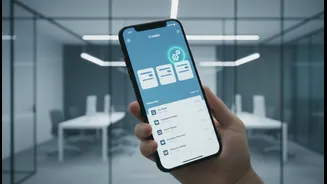
Performing a digital wallet audit is straightforward. Set aside some time and open your primary payment apps like PhonePe, Google Pay, or Paytm. First, navigate to the transaction history and review all your spending for the last few months. Look for recurring payments to services you may have forgotten about or no longer use. Next, find the section for 'AutoPay,' 'My Mandates,' or 'Subscriptions' within the app. This will show you a list of all businesses you've authorized for automatic payments. Cancel any mandates for services you no longer need. This single step can immediately save you money. Finally, use the app's built-in expense tracking features, which often categorize your spending automatically, to see where the bulk of your money goes.
Using Auto-Debit Limits for Protection
The Reserve Bank of India (RBI) has created a framework to give users more control over automated payments. A key feature is the limit on how much can be debited without your direct approval. For most recurring payments like subscriptions and utility bills, any transaction up to ₹15,000 can be processed automatically once you've set up the e-mandate. However, for any amount above ₹15,000, the system requires an Additional Factor of Authentication (AFA), like an OTP, before the payment can be processed. This acts as a crucial safety net, preventing large, unexpected debits from your account. This rule ensures you are consciously approving higher-value transactions every single time.
Mandatory Alerts and Full Control
The RBI framework also mandates that you receive a notification at least 24 hours before any auto-debit is processed. This pre-debit alert must include the merchant's name, the amount, and the date of the charge, giving you a chance to act if something is wrong. Crucially, these notifications come with an option to opt-out or cancel that specific transaction or the entire mandate. Furthermore, you have the power to view, modify, or cancel any e-mandate at any time directly from your payment app, without needing to contact the merchant. This puts you firmly in the driver's seat of your recurring expenses.
Making the Audit a Regular Habit
A one-time audit is a great start, but financial wellness is an ongoing journey. To truly stay on top of subscription creep and manage your spending, make this personal audit a regular habit. Spending 15-20 minutes at the end of each month to review your digital wallet transactions can help you spot new subscriptions, question existing ones, and adjust your budget accordingly. This simple routine can prevent financial leaks, help you align your spending with your goals, and ensure that the convenience of digital payments works for you, not against you. Think of it as essential maintenance for your financial life.