






A New Dawn for Orbit
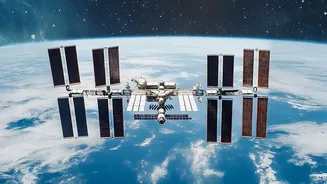
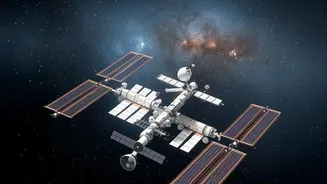
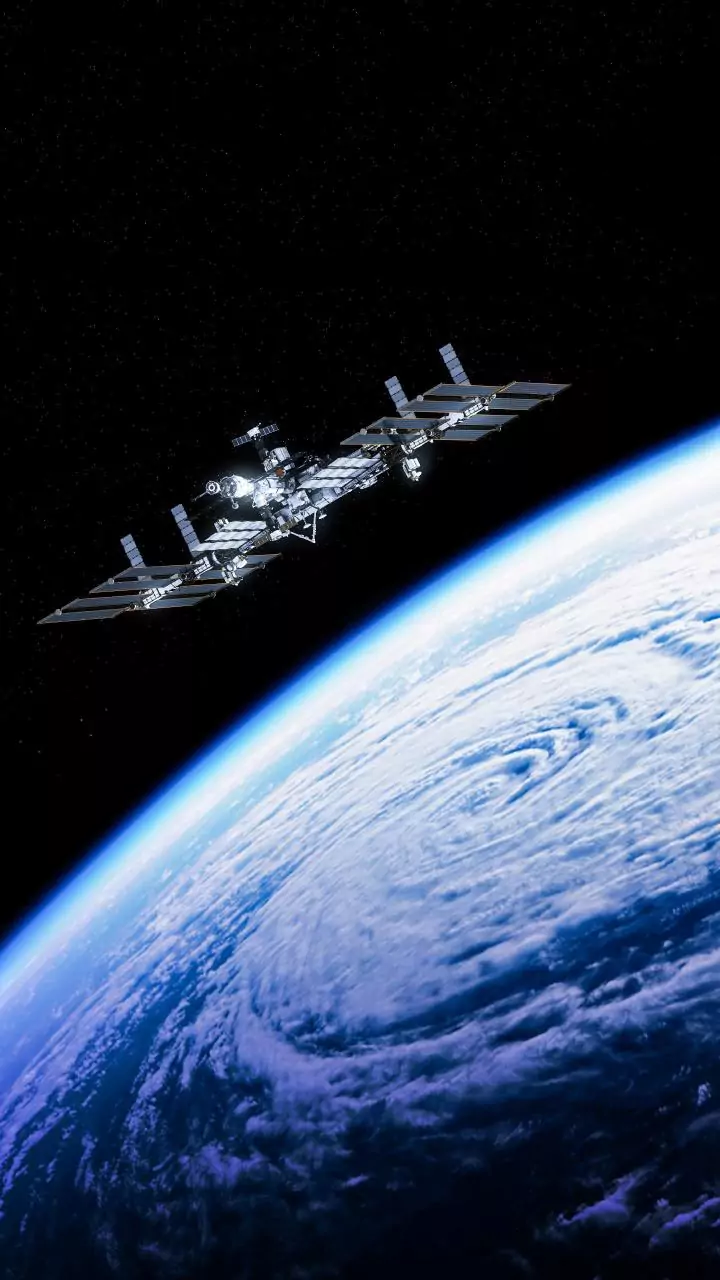
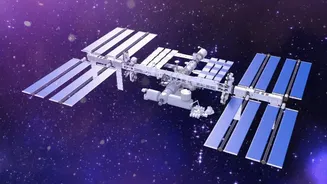
For decades, the International Space Station (ISS) has been the sole human outpost in low Earth orbit. But with its retirement on the horizon, NASA is turning to the private sector to continue its work. Through initiatives like the Commercial Low Earth Orbit
Destinations (CLD) program, NASA is fostering the development of commercially owned and operated space stations. This shift marks a pivotal moment in space exploration, creating a new market for companies like Axiom Space, Sierra Space, and Vast. These firms are not just building successors to the ISS; they are creating versatile platforms intended to serve a wide range of customers, from national space agencies and researchers to private tourists and manufacturers. The goal is to create a robust economy in low Earth orbit, where NASA can be one of many customers, freeing up its resources for missions to the Moon, Mars, and beyond.
The Inflatable Advantage
A key innovation driving this new commercial wave is the use of inflatable, or expandable, habitats. Unlike traditional rigid metal modules, these structures are launched in a compressed state and then inflated in orbit. This allows for a much larger habitable volume for a fraction of the launch mass and space inside a rocket fairing. Sierra Space's LIFE (Large Integrated Flexible Environment) habitat, for instance, is designed to launch on a conventional rocket and expand to the size of a three-story apartment building in space. These modules are constructed from multiple layers of high-strength, flexible fabrics like Vectran, which have proven to be exceptionally durable. The Bigelow Expandable Activity Module (BEAM), which has been attached to the ISS since 2016, has demonstrated that these soft-goods structures can offer excellent protection against micrometeoroids, radiation, and the extreme temperatures of space.
Laboratories in the Sky
The primary purpose of these new commercial stations is to provide a unique environment for research and manufacturing: microgravity. The absence of gravity eliminates forces like sedimentation and convection, allowing for the creation of materials and products impossible to make on Earth. Private stations like Axiom Station will feature dedicated research and manufacturing facilities to capitalize on these conditions. Scientists plan to conduct a vast range of experiments, including 3D bioprinting of human tissues and organs, growing more perfect crystals for advanced semiconductors, and developing new pharmaceuticals. Other planned research on Axiom's missions includes studying the effects of spaceflight on the human brain, testing methods to extend the shelf-life of medicines, and investigating how extremophiles like tardigrades survive the harsh conditions of space. This opens the door for breakthroughs across biotechnology, materials science, and energy.
The Commercial Frontier
The business model for these private space stations is diverse. While NASA will be a key tenant, buying services for its astronauts and research, these companies are building a much broader customer base. Axiom Space, for example, already provides turnkey mission services to the ISS for private astronauts and international partners, covering everything from hardware development to mission execution. The customers for on-orbit research include pharmaceutical companies seeking to develop new drugs, tech firms exploring novel materials, and academic institutions pushing the boundaries of science. Companies like Vast are developing stations such as Haven-1, scheduled to be the world's first commercial space station, which will cater to both government missions and private astronauts. This commercial approach is designed to lower the cost of access to space, creating a self-sustaining ecosystem that can drive innovation for decades to come.