



What Exactly is a Mudra?
In the yogic tradition, mudras are symbolic or ritual gestures, most often performed with the hands and fingers. The Sanskrit word 'mudra' translates to 'seal' or 'gesture'. The practice involves positioning the body in specific ways to help channel the flow
of 'prana', or vital life force energy. While some mudras involve the entire body, hasta mudras (hand gestures) are the most common. The underlying belief is that our hands have a rich energetic connection to our mind and body, and by consciously placing them in certain formations, we can influence our mental and physical state.
Introducing Hakini Mudra: The 'Mudra for the Mind'
The Hakini Mudra is one of the most well-known and practiced hand gestures, often called the 'Mudra for the Mind' or 'Brain Power Mudra'. It is named after the Hindu goddess Hakini, who is associated with the Ajna (or third-eye) chakra. This energy centre, located between the eyebrows, is considered the seat of intuition, imagination, and inner knowing. The word 'Hakini' itself means 'power' or 'rule' in Sanskrit, and practicing this mudra is traditionally believed to give you power over your own mind.
How to Perform the Hakini Mudra
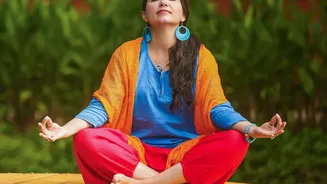
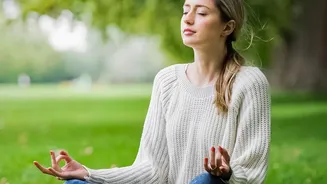
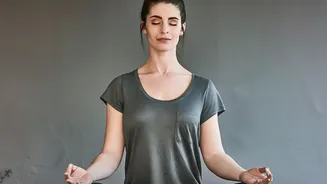
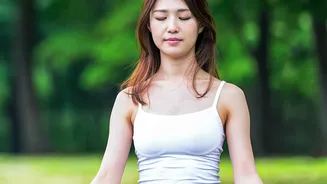
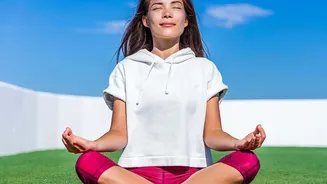
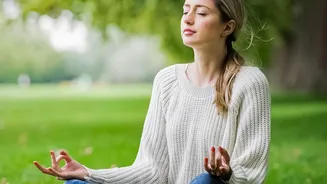
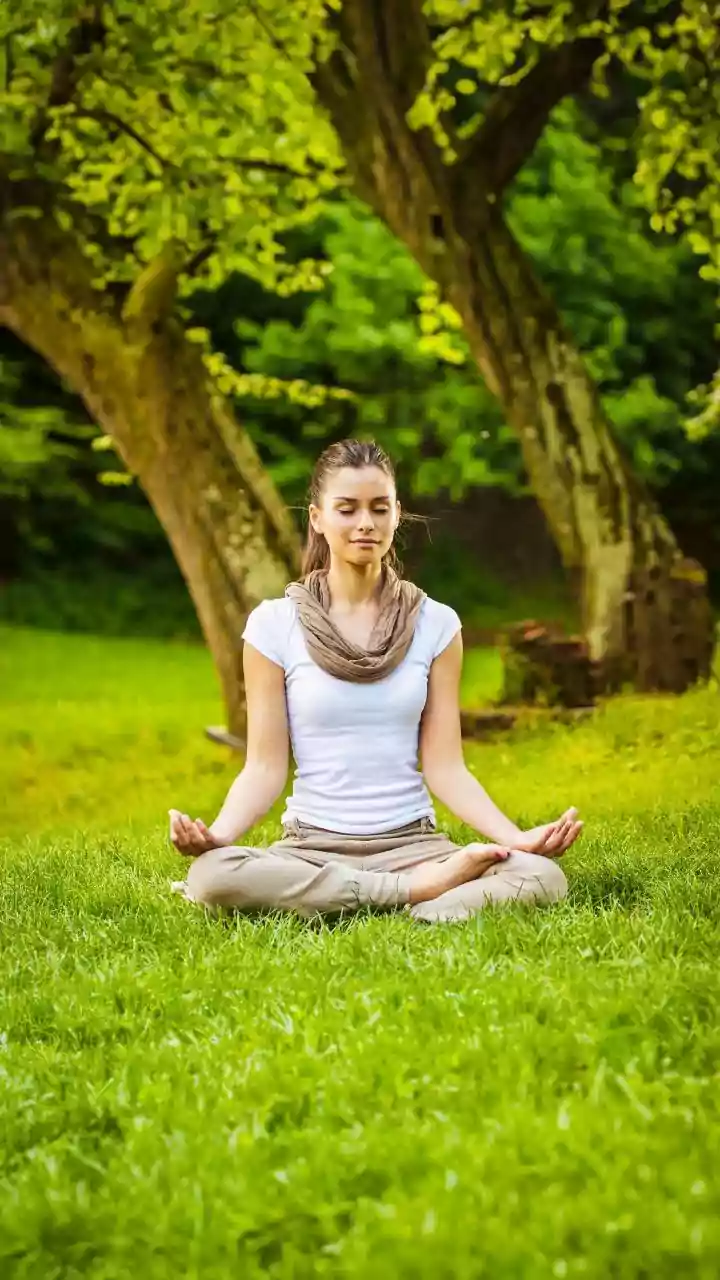
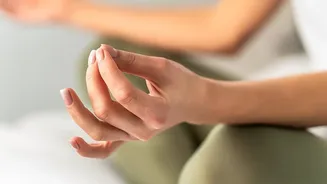
Performing this mudra is straightforward and can be done almost anywhere. Start by finding a comfortable seated position, keeping your spine upright. Bring your palms to face each other, a few inches apart, as if you were about to pray. Now, bring the tips of all five fingers on your right hand to gently touch the corresponding fingertips of your left hand—thumb to thumb, index to index, and so on. Your hands should form a dome-like shape, with the palms remaining apart. You can rest your hands in your lap or hold them at chest level. For a more focused practice, some raise the hands to the level of the forehead, near the third eye. It is often recommended to close your eyes and focus on your breath.
Traditional Claims: Focus, Memory, and Balance
The primary traditional benefit associated with Hakini Mudra is the enhancement of mental faculties. Practitioners believe it boosts memory, improves concentration, and promotes mental clarity. This is thought to occur because the gesture connects the nerve endings in all ten fingertips, creating a closed energy circuit. According to yogic philosophy, this connection helps to harmonise the right and left hemispheres of the brain. The right hemisphere is linked with creativity and intuition, while the left is associated with logic and analytical thought. By balancing these two sides, the mudra is said to foster 'whole-brain' thinking, leading to better problem-solving skills, increased creativity, and more decisive thinking. It's also used to reduce stress and mental fatigue.
A Modern Perspective on an Ancient Practice
From a non-spiritual viewpoint, the effects of Hakini Mudra can be understood through the lens of mindfulness and mind-body connection. The physical act of holding the gesture serves as a focal point, drawing your awareness to the present moment. This simple act of focusing on a physical sensation can quiet mental chatter and reduce distractions, which is a foundational aspect of many meditation and concentration techniques. Some contemporary neuroscientists have noted a correlation between bilateral fingertip coordination and cross-hemispheric brain activation, suggesting that such gestures physically engage both sides of the brain simultaneously. While rigorous clinical trials are limited, the practice is a simple, non-invasive way to take a mindful pause, regulate breathing, and center your thoughts, which can certainly help in managing stress and improving focus in the moment.
Incorporating Hakini Mudra into Your Day
You don't need to be a seasoned yogi to benefit from Hakini Mudra. It can be practiced for a few minutes at any time of day when you need a mental reset. Students might use it before an exam to aid recall, while professionals might practice it before a big meeting to enhance focus. You can hold the mudra for 5 to 15 minutes at a time, either in a single session or broken up throughout the day. Some traditions suggest practicing it during sunrise for maximum effect. The key is consistency. Combining the gesture with conscious, deep breathing can amplify its calming effects.