






Before You Go: A Vehicle Health Check
A successful hill drive begins before you even turn the key. A vehicle that performs well in the city might reveal its weaknesses under the strain of steep inclines and declines. Start with the absolute essentials: your tyres, brakes, and wipers. Ensure
your tyres, including the spare, are inflated to the recommended pressure and have adequate tread depth for grip on wet, slippery roads. Your brakes are your most critical safety component on steep descents; have them checked for wear. Finally, inspect your wiper blades for cracks and replace them if they aren’t clearing the windshield effectively. Also, top up all essential fluids—engine oil, coolant, and especially windshield washer fluid, as you'll likely need it to clear mud and grime.
Pack a Hill-Ready Emergency Kit
While a standard first-aid kit is a must for any car, a hill drive demands a few extra items. Your kit should include high-energy snacks and plenty of water, in case you get stranded. Pack a powerful flashlight with extra batteries, a tow rope, and jumper cables. A warm blanket and a rain jacket can be lifesavers if you have to wait for help in cold, wet conditions. It's also wise to have a fully charged power bank for your phone, as you’ll want to conserve your car’s battery if the engine is off. Consider adding a reflective triangle or flares to make your vehicle more visible in low-light conditions.
Driving Techniques for Tricky Terrain
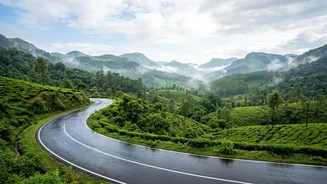
Driving on hills is different. When ascending, use a lower gear to prevent the engine from labouring. When descending, use the same low gear to enable engine braking, which helps control your speed without overheating your brakes. Maintain a greater following distance from the vehicle ahead; stopping distances are longer on wet or gravelly roads. Avoid sudden acceleration or hard braking, as this can cause you to lose traction. And never use cruise control in rainy or slippery conditions, as it can increase the risk of hydroplaning or losing control.
Navigating Rain and Fog
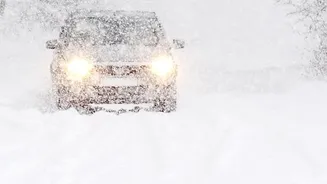
Sudden downpours and dense fog are common challenges. In heavy rain, reduce your speed significantly. If visibility becomes dangerously low, it's safer to pull over at a safe location and wait for conditions to improve. When driving in fog, use your low-beam headlights, not your high beams, which cause glare by reflecting off the fog droplets. If your car has fog lights, use them. Use the white line on the side of the road as a guide and listen for traffic you can't see. The key is to see and be seen, so always ensure your headlights are on in any adverse weather.
Responding to a Landslide
Landslides are a real and present danger on hill roads, especially during monsoons. Be alert for warning signs like falling rocks, cracking trees, or new cracks in the road. If you are caught in a landslide, expert advice varies on whether to stay in the car or abandon it. If you have a clear path to escape to higher ground safely and quickly, take it. However, if you're trapped or debris is moving quickly, your vehicle can offer a protective 'roll cage'. In this case, stay inside, curl into a ball to protect your head, and wait for the movement to stop. If you are stranded after the slide, turn on your hazard lights but only exit the vehicle if you are certain there is no danger from further slides or downed power lines.