


Why Is Everyone Suddenly Meal Prepping?
Not long ago, the idea of spending a Sunday afternoon cooking for the entire week might have seemed tedious. For many, daily fresh meals or reliable tiffin services were the norm. But a cultural shift is underway, especially among millennials and Gen
Z. This isn't just about cooking; it's about reclaiming control. In an era of demanding jobs, side hustles, and packed social calendars, time is the ultimate luxury. Meal prep offers a solution, transforming chaotic weekdays into smooth, well-fed operations. It’s also driven by a growing wellness consciousness and financial prudence. Why spend a fortune on daily food orders of questionable nutritional value when you can have healthy, home-cooked meals ready to go? This trend is a response to the modern Indian hustle, turning a kitchen chore into an act of self-care and smart planning.
Hack 1: The Base Gravy Bonanza
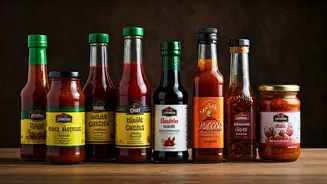
This is the ultimate Indian meal prep hack. The foundation of countless curries, from rajma to paneer butter masala, is a good base gravy. The viral trick is to prepare a large batch of this fundamental 'masala'—typically a blend of sautéed onions, ginger, garlic, and tomatoes. Cook it down until the oil separates, let it cool, and then store it in an airtight container in the fridge for a week or in the freezer for months. On a busy Tuesday night, instead of starting from scratch, you just scoop out a portion of your pre-made gravy, add your protein or veggies, and a delicious, home-cooked meal is ready in under 15 minutes. It’s a game-changer that slashes daily cooking time by more than half.
Hack 2: Master Your Grains and Legumes
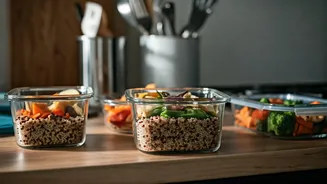
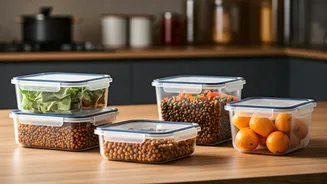
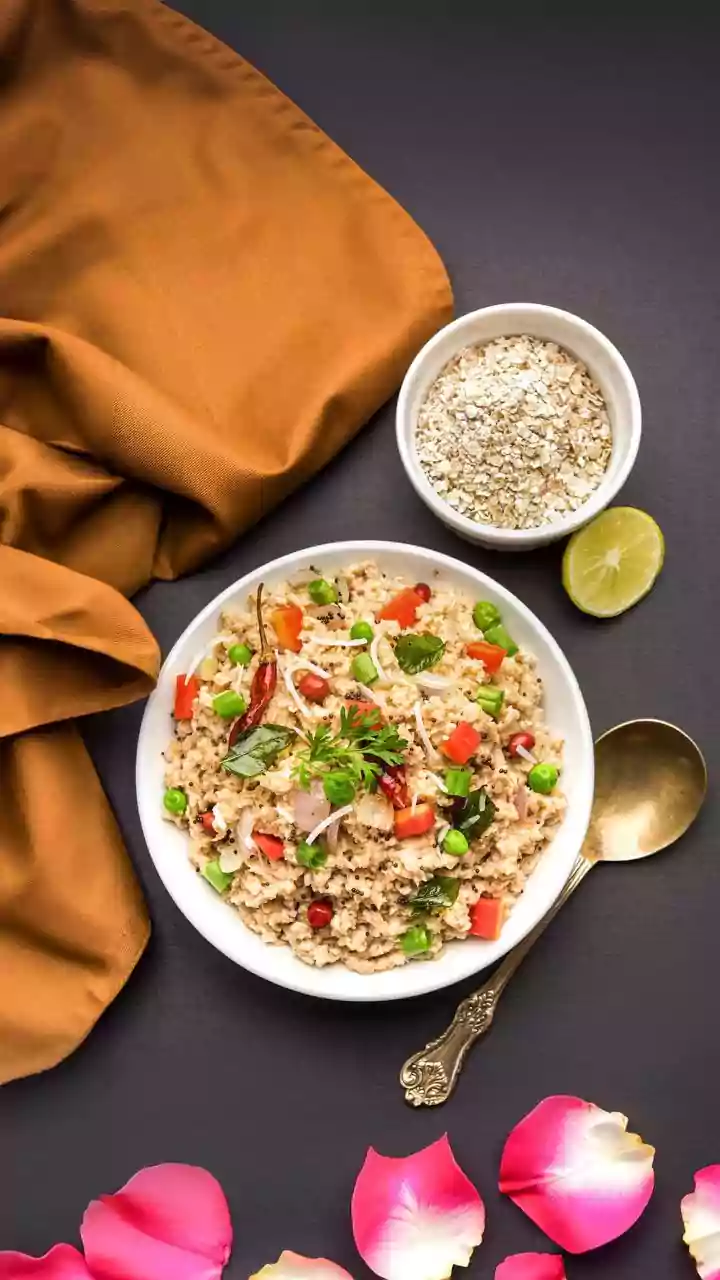
Think beyond just cooking a pot of rice. The new wave of meal prep involves batch-cooking a variety of grains to add texture and nutrition to your week. On Sunday, cook up a batch of quinoa, millets (like foxtail or bajra), and brown rice. Store them in separate containers in the fridge. This allows for incredible versatility. You can quickly assemble a quinoa salad for lunch, have a millet bowl with your curry for dinner, or make a quick lemon rice. The same logic applies to legumes. Soaking and boiling chickpeas, kidney beans, or lentils in advance means they are ready to be thrown into salads, stir-fries, and curries without the hours of waiting.
Hack 3: The Sunday 'Chop Shop'
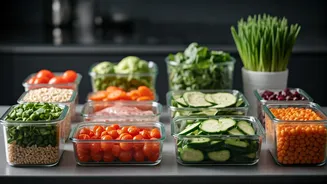
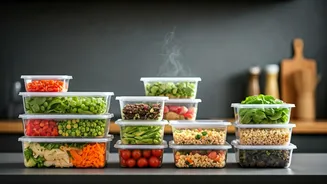
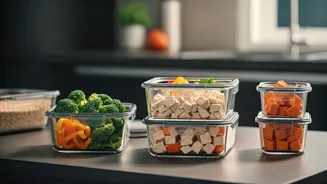
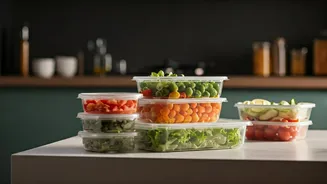
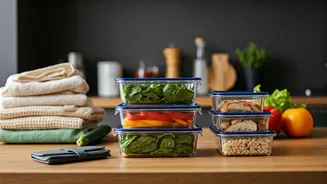
The single most time-consuming part of daily cooking is often the prep work: washing, peeling, and chopping. The hack that floods social media feeds is dedicating one hour on the weekend to becoming your own 'chop shop'. Put on some music or a podcast and get to work. Dice onions, chop carrots and beans for a stir-fry, cube paneer or tofu, and shred cabbage. Store them in separate airtight containers, sometimes with a paper towel at the bottom to absorb excess moisture. This simple act of preparation makes assembling meals during the week incredibly fast and reduces the mental barrier to cooking a fresh meal after a long day.
Hack 4: Breakfast Jars and Bento Boxes
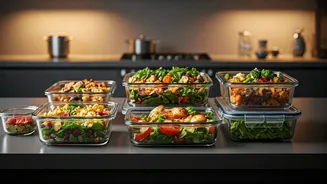
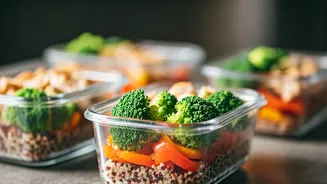
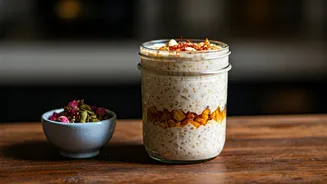
Breakfast and lunch are often the meals most likely to be skipped or bought on the go. The viral solution? Jars and boxes. Overnight oats have become a phenomenon for a reason: you layer oats, yoghurt or milk, seeds, and fruit in a jar the night before, and in the morning, a delicious, filling breakfast is waiting for you. Similarly, the concept of the bento box has been Indianised. Instead of just a sabzi and roti, young preppers are creating balanced boxes with a portion of grains (like pulao or millet salad), a protein (chana masala or a boiled egg), a vegetable side (like a simple kachumber salad), and maybe a small serving of yoghurt. It's visually appealing, nutritionally balanced, and perfectly portioned.
Hack 5: Use Your Freezer for More Than Ice
The freezer is the meal prepper’s best friend. It’s not just for storing base gravies. You can make and freeze entire meals or components. Think ahead and make a batch of vegetable cutlets, shami kebabs, or parathas (half-cooked). Layer them between sheets of parchment paper and freeze. When you need a quick snack or a side, you can pan-fry them directly from frozen. You can also freeze portions of cooked dal or sambar in silicone trays. Once frozen, pop the cubes out and store them in a bag. It's the perfect way to have single servings of your favourite comfort foods on hand at all times.