




Goodbye to Grandeur
For generations, the well-appointed Indian home was a showcase of prosperity, often expressed through 'heavy' decor. Think oversized, intricately carved dark wood sofas, brocade curtains that blocked out the light, and every available surface filled with
curios and artefacts. This aesthetic spoke of heritage, permanence, and a certain maximalist joy. It was a style where more was more, and a room’s richness was measured by its density. While beautiful in its own right, this approach is beginning to feel out of step with the rhythm of contemporary urban life.
The Allure of Simplicity
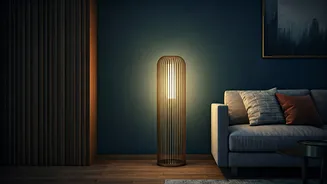
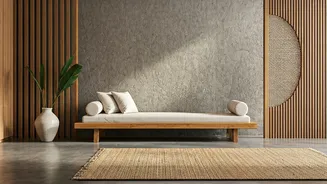
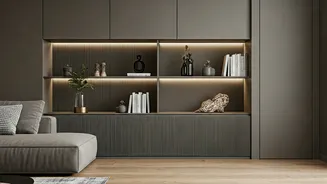
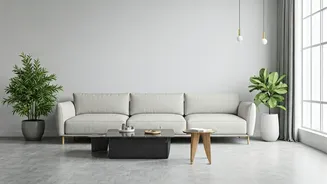
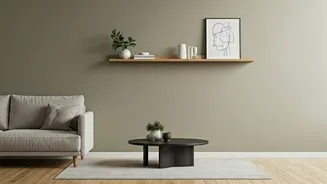
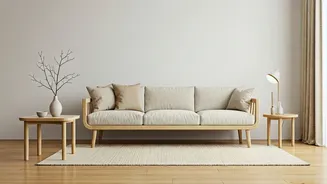
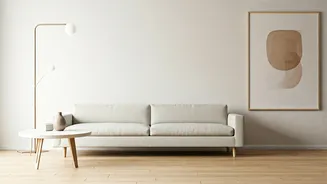
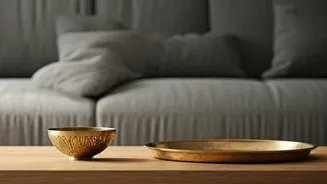
Enter modern minimalism. This isn't the cold, sterile white box you might be picturing. Today’s minimalism is warm, textured, and deeply personal. It’s about creating a sanctuary from the outside world, not a sterile showroom. The philosophy is simple: keep only what is beautiful, useful, or deeply meaningful. This translates into interiors with uncluttered surfaces, a focus on natural light, and a muted colour palette of whites, beiges, greys, and earthy tones. The goal isn't emptiness, but breathability. Each object in the room is given space to shine, turning the home into a curated gallery of the owner's life rather than a storage unit.
Why Less is Now More
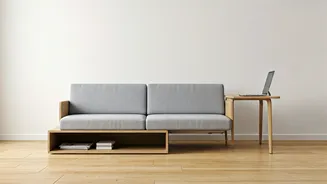
Several factors are driving this aesthetic shift. Firstly, our living spaces are shrinking. In bustling cities, apartments are more compact, making heavy, oversized furniture impractical. Minimalism, with its focus on multi-functional pieces and visual lightness, makes small spaces feel larger and more functional. Secondly, there’s a growing desire for mental clarity. In a world of constant digital noise and overwhelming schedules, people are seeking refuge in their homes. A cluttered environment can contribute to stress and anxiety, while a clean, organised space promotes a sense of calm and control. The post-pandemic era, in particular, has amplified our need for homes that function as serene retreats.
An Indian Twist on Minimalism
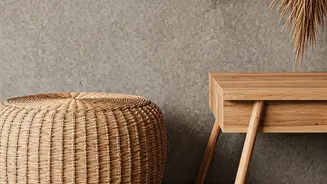
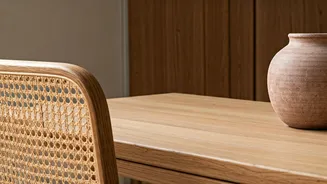
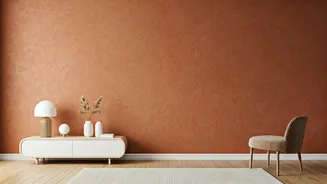
The most exciting part of this trend is how it’s being adapted with a uniquely Indian sensibility. This isn't about erasing our cultural identity, but reinterpreting it. Instead of importing a purely Scandinavian look, designers and homeowners are creating a 'desi-minimal' aesthetic. This involves championing local materials like teak, cane, jute, and terracotta. It means celebrating craftsmanship, where a single, beautifully crafted statement piece from a local artisan replaces ten mass-produced items. A traditional 'jhoola' (swing) might be the room's only focal point, or a vintage brass lamp might sit on a simple, modern console. It’s a style that values quality over quantity and heritage over hype.
How to Embrace the Shift
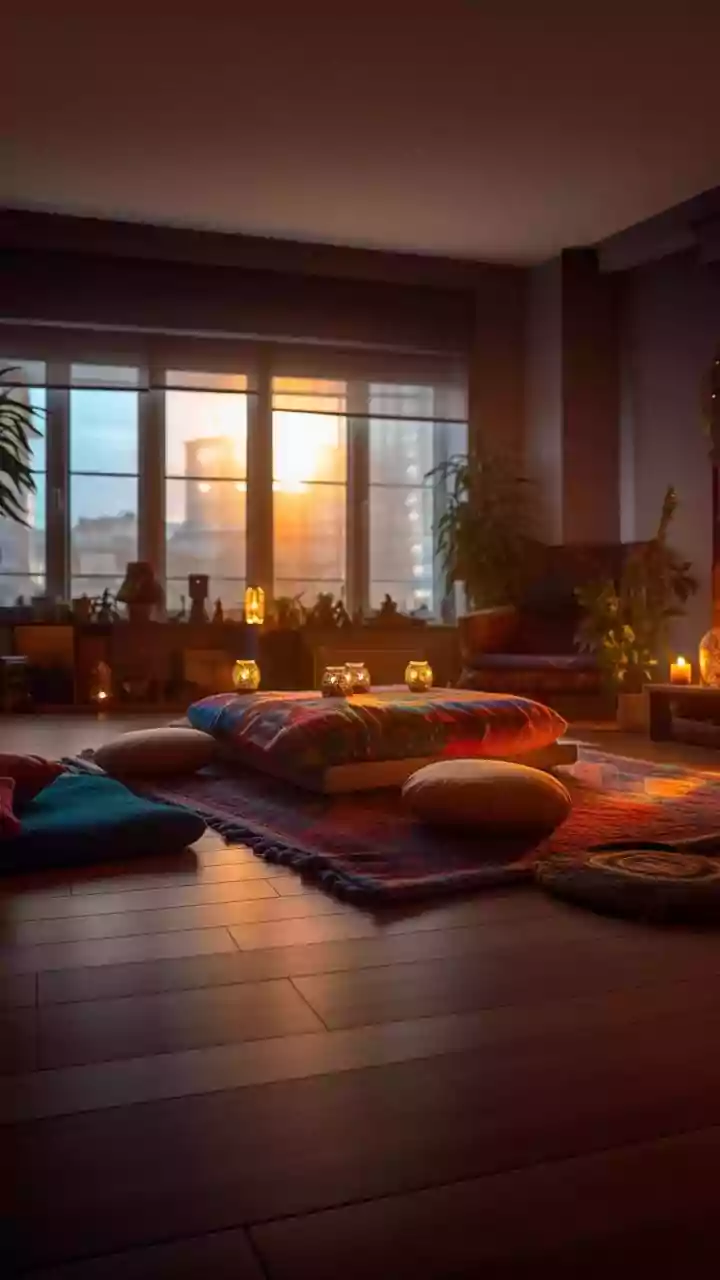
Adopting a minimalist mindset doesn't mean throwing everything out. It starts with a process of intentional decluttering. Ask yourself of each item: Do I love it? Do I use it? Does it bring me joy? From there, focus on creating a cohesive palette with natural textures—a linen cushion, a woollen throw, a ceramic vase. Introduce plants to bring life and colour into the space. Most importantly, invest in good quality, timeless furniture that you will love for years to come. The beauty of this approach is that it’s not about following rigid rules, but about creating a home that truly reflects and supports your lifestyle.