



The Rise of Co-Living
The days of haggling with brokers for a dingy barsati are fading. Today’s urban migrant, from the tech professional in Bengaluru to the creative in Mumbai, is increasingly opting for co-living spaces. These professionally managed properties offer a plug-and-play
solution to urban housing woes: affordable rent in prime locations, included utilities, and a built-in community. This model is booming across cities like Pune, Hyderabad, and Delhi-NCR, driven by a massive millennial and Gen-Z population that values convenience and flexibility over the traditional goal of permanent settlement. These aren't just shared flats; they are lifestyle hubs designed for a generation on the move.
The Problem with 'Forever' Furniture
In a life built for mobility, traditional furniture feels like an anchor. That heavy, oversized sofa or solid wood bed, often inherited or bought as a first “adult” purchase, becomes a liability. It's difficult and expensive to move, rarely fits perfectly in the next compact apartment, and feels out of place in a shared home where space is the ultimate luxury. Renters often find themselves in a bind: either over-invest in pieces that may not fit their next home or under-invest in temporary solutions that compromise comfort and style, making a space feel impersonal and unfinished. This friction is what’s pushing young renters to seek a smarter alternative.
Enter Flexible and Modular Design
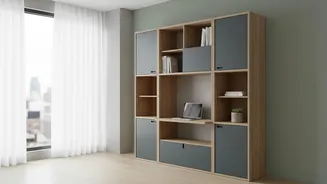
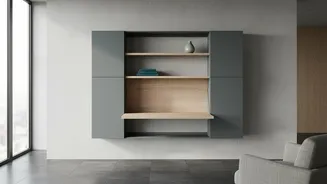
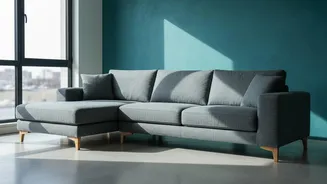
Modular furniture is the answer to this modern dilemma. Think of it as furniture-as-a-system: a set of individual components, or modules, that can be configured and reconfigured in multiple ways. A sofa can break apart into a loveseat and an ottoman, shelves can be expanded or shrunk, and a work desk can fold away seamlessly. This adaptability is its superpower. It’s a design philosophy built for the realities of urban life, where rooms are smaller and often have to serve multiple functions—as a bedroom, office, and entertainment zone all in one. The easy assembly and disassembly also solve the practical nightmare of navigating narrow stairwells in city high-rises.
An Investment in Mobility and Freedom
The word “invest” in the headline is key. For this generation, buying modular furniture isn't a sunk cost; it's a long-term investment in their flexible lifestyle. Because it can be adapted to new spaces and needs, it moves with them from one 1BHK to the next, from a shared co-living room to perhaps a first home of their own. This breaks the cycle of buying and discarding furniture with every move. Instead of being a static object, the furniture becomes a dynamic asset that supports their transient careers and life changes. It provides a sense of ownership and stability without tying them down to one location or layout.
Personalising the Impersonal
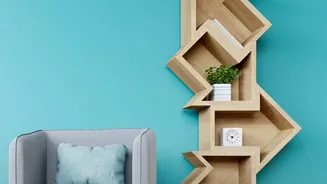
Beyond pure function, modular furniture offers a crucial emotional benefit: the ability to make a temporary space feel like a true home. Rental agreements often prohibit major changes like painting or drilling, leaving tenants feeling like temporary guests. Modular pieces act as a form of self-expression. A colourful, reconfigurable shelf can serve as a statement piece and a room divider, while a versatile sofa sets the aesthetic for the entire living area. In the world of standardised co-living rooms, these customisable elements allow young renters to inject their personality into their environment, creating a sanctuary that is genuinely their own, even if only for a year or two.