





The Nutritional Showdown
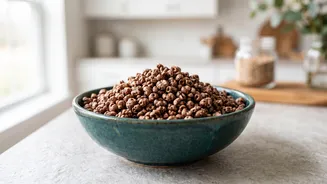
At a glance, both snacks seem light, but their nutritional profiles are quite different. Ragi, or finger millet, is a nutrient-dense powerhouse. It is celebrated for its high calcium content, making it excellent for bone health. It's also a great source
of iron and essential amino acids. Popcorn, being a whole grain, is no slouch either. It provides important nutrients like magnesium, phosphorus, and B vitamins. However, when it comes to mineral density, particularly calcium and iron, puffed ragi generally has the upper hand. Popcorn's claim to fame lies in its polyphenol antioxidants, which are linked to reduced inflammation.
The Fiber and Fullness Factor
Fiber is a key player in any healthy snack, as it aids digestion and promotes a feeling of fullness, which helps in weight management. Both snacks are good sources of dietary fiber. A serving of air-popped popcorn can contain a significant amount of fiber, making it one of the better snack choices for satiety. Studies have shown that popcorn can be more filling than other common snacks like potato chips. Ragi is also very high in fiber, which helps you feel full longer and can prevent overeating. This makes both options a significant step up from refined flour snacks, but the preparation method is key. Homemade, air-popped, or lightly roasted versions of both will always be better than their commercially processed counterparts.
Calorie Count and Preparation
This is where the comparison gets tricky and depends heavily on preparation. A cup of plain, air-popped popcorn contains only about 30-35 calories, making it a very low-calorie snack. However, the moment you add butter, oil, or sugar, that number skyrockets. Movie theatre or microwave popcorn can be loaded with unhealthy fats and additives. Puffed ragi, when made at home by dry roasting the grains until they pop, is also very light. But many commercially available ragi puffs are baked or fried and seasoned, which increases their calorie and sodium content. For the healthiest choice, always opt for the most basic, home-prepared version of either snack.
Impact on Blood Sugar
For those managing blood sugar levels, the glycemic index (GI) is a crucial factor. The GI indicates how quickly a food raises blood glucose. Popcorn has a relatively high GI, with some sources placing it over 70, meaning it can cause a rapid spike in blood sugar. Ragi, on the other hand, generally has a low to medium GI. This is because the fiber and complex carbohydrates in ragi lead to a slower release of sugar into the bloodstream. This makes puffed ragi a potentially better option for individuals with diabetes or anyone looking to maintain stable energy levels and avoid sugar crashes.
Taste, Texture, and Versatility
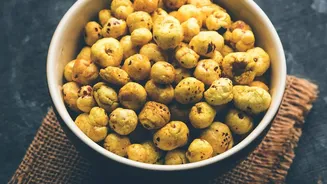
Taste is subjective, but there are clear differences. Popcorn has a distinct, universally loved flavour that pairs well with salt, butter, or caramel. Its texture is light and airy, though the kernel husks can sometimes get stuck in your teeth. Puffed ragi has a milder, nuttier, and earthier flavour. Its texture is crunchier and denser than popcorn. While popcorn is mostly confined to being a snack, puffed ragi is more versatile. It can be eaten on its own, seasoned with spices, or added to salads, soups, and even breakfast cereals for an extra crunch.