








From Pan-Indian to Hyper-Local
For decades, mainstream Indian fashion was largely defined by two poles: the opulent world of Bollywood and the high-fashion hubs of Delhi and Mumbai. This created a somewhat monolithic aesthetic that was beautiful, but not always representative of India's
vast cultural diversity. [20] However, social media has shattered this singular narrative. [19] Digital creators and influencers from beyond the major metros are changing the conversation by showcasing clothing styles deeply influenced by their local traditions, communities, and cultural experiences. [20] This has sparked curiosity and appreciation for a wider range of aesthetics, proving that style can be both contemporary and deeply rooted in personal heritage. [20]
The Rise of the Regional Influencer
A new wave of content creators is at the heart of this shift. These regional influencers connect with audiences on a level that's deeply authentic and relatable. [21] By speaking local dialects, understanding cultural nuances, and creating content that reflects their community's tastes, they've built a level of trust that often outperforms their metro-based counterparts. [21] Brands have taken notice, increasingly collaborating with micro-influencers across various regional languages to promote products, especially during festive seasons. [21] Platforms like Instagram, YouTube, and even hyperlocal apps like ShareChat and Moj have become digital galleries, allowing creators to showcase everything from a Banarasi weaver spinning silk to a potter shaping clay, connecting with audiences from Mumbai to Manchester. [8]
Textiles as a Statement of Identity
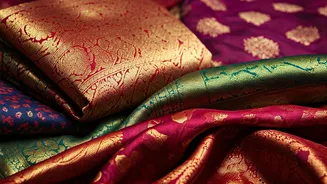
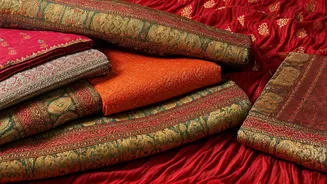
This movement is about more than just silhouettes; it's a renaissance for India's rich textile heritage. [5] Forgotten or overlooked weaves like Mashru from Gujarat, Garad from Bengal, and the intricate Ikat of Odisha and Telangana are making a powerful comeback. [4, 13] Designers and creators are championing these fabrics, not as museum pieces, but as vibrant, wearable art. [9, 13] This revival is driven by a desire for authenticity and sustainability, moving away from the uniformity of fast fashion. [13] For many, especially the younger generation, choosing to wear a specific handloom fabric is a conscious statement—a way of reclaiming cultural identity and supporting artisan communities directly. [4, 6] The story behind the garment has become as important as its aesthetic appeal. [23]
Why Now? A Search for Authenticity
Several factors have converged to create this perfect storm. Gen Z, in particular, is driving a shift towards more conscious consumption. [3] They are championing slow fashion, ethical production, and are increasingly drawn to thrifting and upcycling as a way to express individuality while rejecting wasteful fast-fashion cycles. [3, 15] Social media algorithms, which favor visually engaging and unique content, have also played a major role, giving regional art forms a global stage. [16] Furthermore, the digital revolution has empowered artisans and small brands, allowing them to bypass traditional middlemen and connect directly with a global customer base that values handmade, authentic products. [2, 7, 12] This has not only expanded their visibility but also ensured that more value flows back to the creators themselves. [7]
Beyond the Hashtag: A Real-World Shift
This trend is more than just a fleeting social media moment; it signifies a fundamental rewiring of India’s fashion industry. [3, 5] Prominent designers like Sabyasachi Mukherjee and Anita Dongre have long played a role in incorporating traditional crafts into high fashion, and now a new generation is pushing this further. [5, 9] The fusion of traditional Indian craftsmanship with modern silhouettes is creating a new sartorial language. [11, 19] However, the movement is not without its complexities. As regional styles gain global popularity, conversations around cultural appropriation and the risk of reducing traditions to mere trends become more critical. [17, 26] The challenge is to ensure that this revival translates into sustainable economic empowerment for artisan communities and that credit is given where it is due, moving beyond a superficial, export-friendly version of Indian identity. [4, 17, 26]