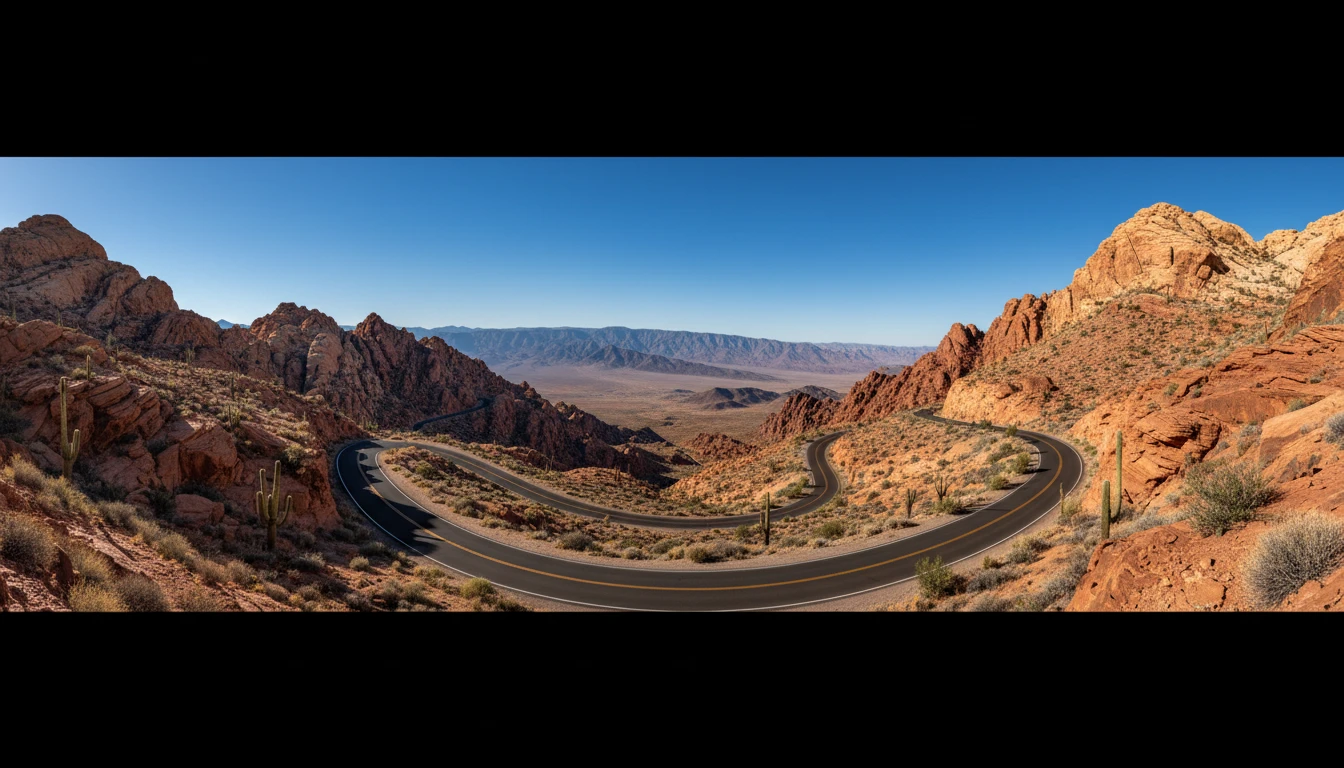




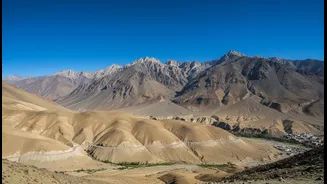


The Geographic Safe Harbour
The primary reason Ladakh and Spiti are safer during the monsoon months is a simple geographical phenomenon: the rain-shadow effect. The towering Pir Panjal and Great Himalayan ranges act as a massive wall, blocking most of the moisture-laden monsoon clouds
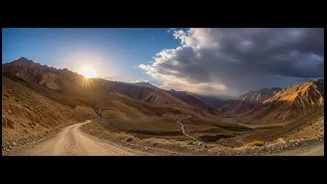
from passing over. While popular destinations in Himachal Pradesh, Uttarakhand, and the Western Ghats are drenched in heavy rain, leading to saturated soil and frequent landslides, these trans-Himalayan cold deserts remain remarkably dry and sunny. Annual rainfall here is often less than 100mm, a stark contrast to the downpours that shut down other hill stations. This natural barrier makes them a uniquely reliable choice for travel between June and September.
A Different Kind of Terrain
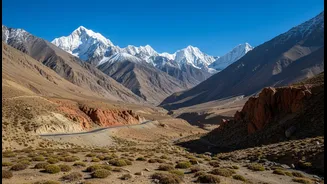
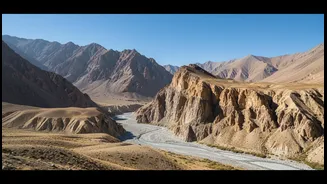
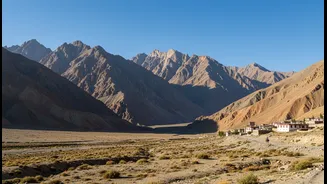
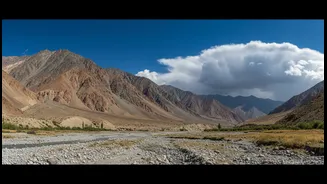
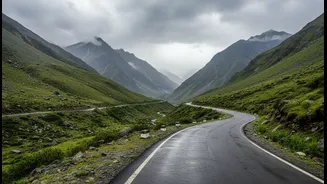
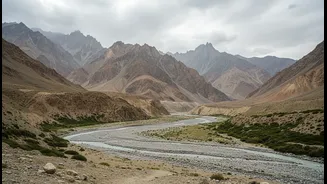
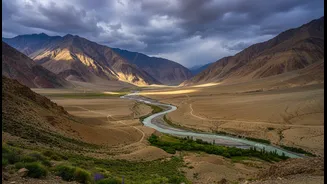
Geology also plays a crucial role. Ladakh and Spiti are high-altitude cold deserts, characterized by barren, rocky mountains and sparse vegetation. This landscape, while harsh, is fundamentally more stable than the lush, soil-heavy slopes of lower Himalayan regions. In places like Kullu, Chamba, or the routes to Gangotri, intense rainfall can quickly turn forested hillsides into unstable slurries of mud and debris. The terrain in Ladakh and Spiti, composed largely of rock and scree, doesn't retain water in the same way. While this doesn't eliminate all risks, like rockfalls or localized flash floods from glacial melt, it significantly reduces the likelihood of large-scale, rain-induced landslides that can block roads for days or weeks.
A Sanctuary for the Solo Traveller
For a solo traveller, predictability is a key component of safety. The lower risk of catastrophic landslides means fewer chances of being stranded, a major concern when travelling alone. While road closures can still happen—often due to localized issues or maintenance—they are typically cleared more efficiently by the Border Roads Organisation (BRO), which maintains these strategic routes. Socially, both regions are considered among the safest in India for solo travellers, including women. The welcoming Buddhist culture, low crime rates, and a well-established network of homestays and guesthouses create a supportive environment. Knowing you can proceed with your itinerary without the constant threat of being cut off provides invaluable peace of mind.
Navigating the Real Risks
Claiming these destinations are the 'best' for avoiding landslides doesn't mean they are entirely without risk. The dangers in Ladakh and Spiti are just different. The primary challenge is the high altitude, with Acute Mountain Sickness (AMS) being a serious concern for anyone who ascends too quickly. Roads, while less prone to rain-triggered slides, are still treacherous and demand skilled driving. Furthermore, while the valleys themselves are dry, the approach roads—particularly the Manali-Leh highway—pass through monsoon-affected zones and are prone to closures. For this reason, flying into Leh or taking the more stable Shimla-Spiti route is often recommended during monsoon.
A Note on Evolving Climate Patterns
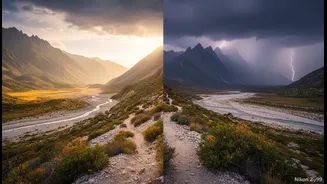
It is also important to acknowledge that climate change is introducing new unpredictability. In recent years, even traditionally arid regions like Lahaul-Spiti and Ladakh have experienced unseasonal and intense rainfall, leading to flash floods and landslides. While still far less frequent than in other parts of the Himalayas, these events serve as a reminder that no mountain region is completely immune. Solo travellers should always build buffer days into their itineraries, check weather forecasts and road status daily, and heed local advice. The goal is to avoid landslides, not to assume invincibility.