






Decoding the IMD’s July Outlook
To travel smart this monsoon, you first need to understand the weather landscape. For July 2026, the India Meteorological Department (IMD) has issued critical updates. As of early July, the southwest monsoon has advanced across most of the country, with
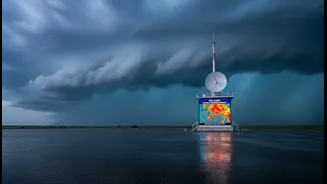
expectations to cover the remaining parts of North India within days. However, the rainfall pattern is expected to be uneven. The overall forecast for July suggests below-normal rainfall for the country as a whole. This is influenced by developing El Niño conditions. Despite the below-normal average, several regions are on high alert for heavy to very heavy rainfall. The west coast, including Konkan, Goa, and coastal Karnataka, is expected to see significant rain. Similarly, heavy showers are predicted for North and Northeast India, including Himachal Pradesh, Uttarakhand, Sub-Himalayan West Bengal, and Assam. Conversely, many parts of central and western Maharashtra may experience below-normal rainfall for the month. This patchwork of forecasts means your travel plans must be targeted and informed.
Green Zones: Where to Go Now
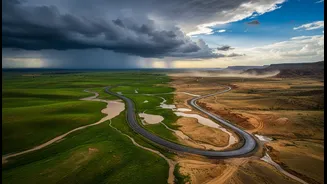
With the right information, you can find incredible monsoon experiences. The key is to target regions with manageable rain or those in rain-shadow areas. Destinations in the Western Ghats like Lonavala, Mahabaleshwar, Coorg, and Munnar are famously beautiful during this time, transforming into lush, green paradises. While parts of Maharashtra are expected to have less rain overall, the ghat areas will still receive enough to bring waterfalls and misty landscapes to life. Udaipur in Rajasthan is another excellent choice; the monsoon fills its lakes and paints the Aravalli hills a vibrant green, creating a stunning royal backdrop. For those wanting to escape the rains entirely, high-altitude cold deserts like Leh, Ladakh, and the Spiti Valley are ideal sanctuaries. These regions receive very little monsoon rainfall, offering cool weather and clear skies for trekking and exploration. Parts of Tamil Nadu also lie in a rain-shadow area, making destinations like Ooty and Kodaikanal pleasant options for a monsoon trip.
Red Flags: Areas to Approach with Caution
The monsoon’s beauty can come with significant risks, and some regions are best avoided in July. The IMD has issued warnings for heavy to extremely heavy rainfall in several areas, increasing the danger of landslides, flash floods, and travel disruptions. Hill stations in the Himalayas, particularly in Uttarakhand and Himachal Pradesh, are highly vulnerable. Places like Manali, Shimla, and Nainital frequently experience landslides that can block highways for days, leaving tourists stranded. Similarly, Sikkim and Darjeeling in the Northeast face risks of road blockages due to incessant rains. While Kerala is picturesque, it is also prone to intense downpours and landslides, so travelers should exercise extreme caution, especially in hilly districts like Munnar. The IMD's recent bulletins have specifically mentioned heavy rainfall alerts for Coastal Karnataka, Konkan & Goa, and Madhya Maharashtra, making these coastal and ghat regions potentially hazardous. Always check for local advisories before heading to these areas.
Your Monsoon Travel Toolkit
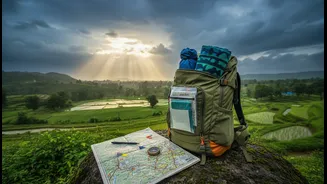
Planning a monsoon trip is about more than just choosing a destination; it's about being prepared. Flexibility is your greatest asset. Book flights and hotels with flexible cancellation policies, as weather can change suddenly. Your packing list should prioritize function over fashion. Opt for lightweight, synthetic clothes that dry quickly. A reliable raincoat, a sturdy umbrella, and waterproof footwear with good grip are non-negotiable. Protect your electronics and important documents with waterproof bags or zip-lock pouches. On the road, build buffer days into your itinerary and avoid traveling at night, especially in hilly terrain where visibility is poor. For your health, be cautious about food and water. Stick to bottled water and eat at clean, reputable establishments to avoid water-borne illnesses. Finally, keep a power bank handy, as power cuts can be common during heavy rains.