
Panjiri: From Prasad to Cheesecake
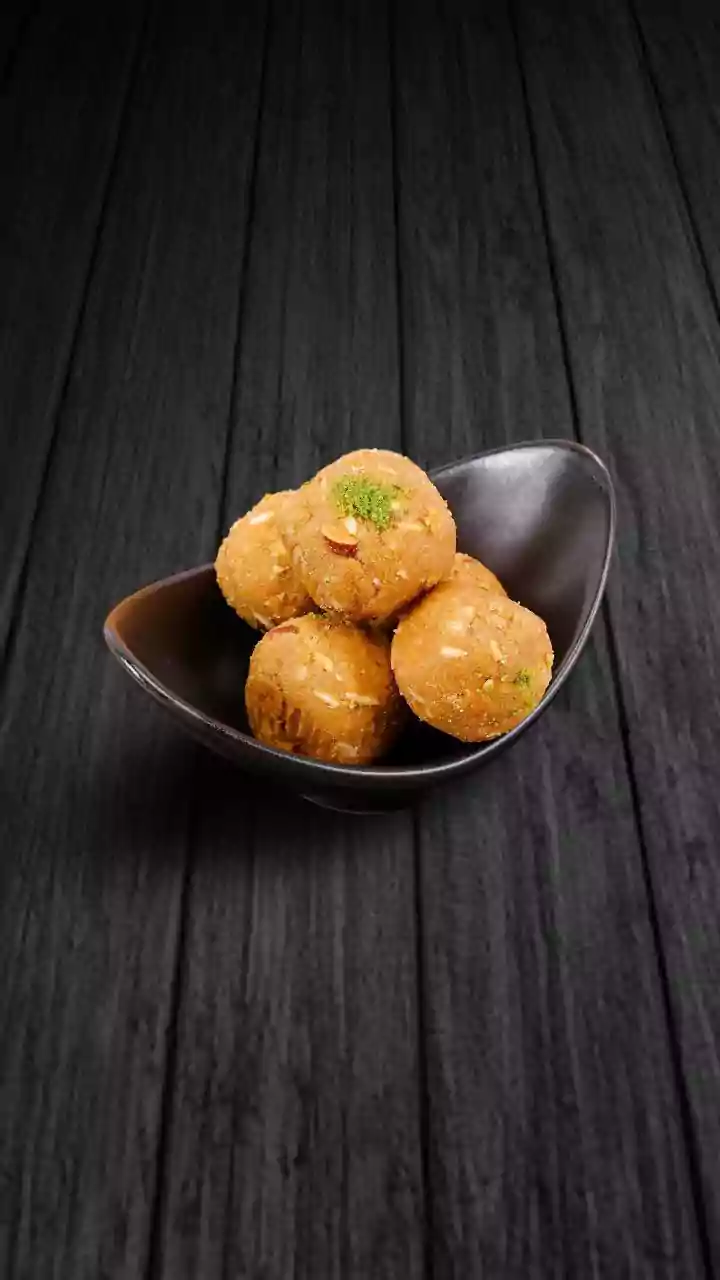
Panjiri is a quintessential Janmashtami offering, a crumbly, warming sweet made from whole wheat or coriander seed powder, ghee, sugar, and loaded with nuts. Traditionally served as a loose powder, its nutty and aromatic profile makes it a perfect candidate
for a modern makeover. Imagine a no-bake Panjiri Cheesecake. The concept is simple yet brilliant: use a crunchy base made from crushed Panjiri mixed with melted butter. For the filling, whip cream cheese with a touch of honey or condensed milk and fold in a generous amount of Panjiri. This adds texture and the familiar festive flavour to the creamy cheesecake. The result is a dessert that is both decadent and rooted in tradition, offering a cool, smooth contrast to the grainy texture of classic Panjiri.
Makhana Kheer: The Crème Brûlée Twist
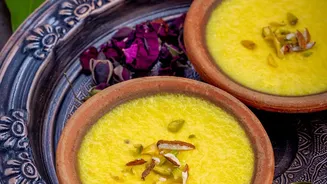
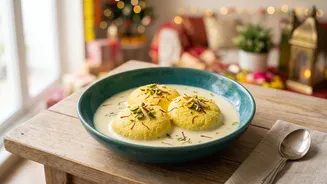
Makhana Kheer, a creamy pudding made with puffed lotus seeds, milk, sugar, and flavoured with cardamom and saffron, is a beloved fasting dish. The soft, slightly chewy texture of the makhana is its hallmark. To elevate this humble kheer, consider presenting it as a Crème Brûlée. Prepare the kheer to be slightly thicker than usual and pour it into individual ramekins. After chilling, sprinkle a thin, even layer of sugar on top. Using a kitchen torch, caramelize the sugar until it forms a hard, glassy crust. This French technique adds a delightful crackle that gives way to the creamy, familiar taste of makhana kheer underneath, creating a sophisticated fusion dessert that plays with texture and temperature.
Sabudana Vada: The Waffle Wonder
Crispy on the outside and soft on the inside, Sabudana Vadas are a savoury fasting favourite made from tapioca pearls, potatoes, peanuts, and spices. While deep-frying is the traditional method, these vadas can be reimagined for a modern, convenient breakfast or snack. Press the vada mixture into a hot waffle iron. This not only uses significantly less oil but also creates a large, shareable sabudana waffle with crispy ridges and soft pockets. It cooks faster than frying individual vadas and offers a novel presentation. Serve it with the classic yogurt or green chutney for a fun, less greasy take on the beloved snack that’s perfect for a festive brunch.
Gopalkala: A Savoury Parfait
Gopalkala is a Maharashtrian specialty for Janmashtami, a no-cook mixture of flattened rice (poha), yogurt, cucumber, coconut, and a simple tempering of ghee and cumin. It’s a refreshing and wholesome dish believed to be a favourite of a young Krishna. To give it a modern, elegant twist, serve it as a savoury parfait. Instead of mixing everything in a bowl, layer the ingredients in a clear glass. Start with a base of soaked poha, followed by a layer of spiced yogurt, then chopped cucumber and pomegranate seeds, and a sprinkle of grated coconut. Repeat the layers and top with the final tempering. This layered presentation transforms a simple mixture into a visually appealing dish, highlighting each ingredient's texture and colour while preserving the original flavours.
Makhan Mishri: The White Chocolate Mousse
No Janmashtami bhog is complete without Makhan Mishri, a simple yet divine offering of fresh white butter mixed with rock sugar. It symbolizes Lord Krishna's love for butter. While its purity is its charm, you can capture its essence in a more elaborate dessert like a white chocolate and butter mousse. Create a light, airy mousse by melting white chocolate and folding it into whipped cream. Incorporate freshly churned, unsalted butter for that authentic richness. Instead of mishri, you can fold in tiny sugar crystals or pralines for a delicate crunch. Served chilled in small glasses, this mousse is a tribute to the classic Makhan Mishri, translating its simple, sweet, and creamy nature into a gourmet experience.