




Brakes, Fluids, and Battery: Your Car’s Lifeline
Months of rain and humidity can take a toll on your car's core systems. Start with the most critical component for hill driving: the brakes. Wet conditions can accelerate wear on brake pads. Get them inspected by a mechanic for wear and tear, and ensure
the brake fluid is at the optimal level. On steep descents, you'll be relying on them heavily. Next, check all essential fluids, including engine oil, coolant, and windshield washer fluid. Hilly terrain puts more stress on the engine, and proper coolant levels are vital to prevent overheating on long climbs. Finally, test your battery. Damp weather can weaken a battery's performance. Ensure the terminals are clean and corrosion-free, as getting stranded with a dead battery in a remote area is a situation best avoided.
Tyres: The Only Thing Connecting You to the Road
Your tyres are fundamental to safety, especially on post-monsoon roads that can be slippery and damaged. The first thing to check is tread depth. A minimum tread of 3mm is recommended for wet conditions to prevent aquaplaning, where your car loses traction on a layer of water. Also, inspect your tyres for any cuts, bulges, or cracks, as potholes hidden by puddles can cause unseen damage. Ensure the tyre pressure is set to the manufacturer's recommendation for a full load, considering you'll have passengers and luggage. Don't forget to check the spare tyre; it should be in just as good condition and properly inflated. Carrying a portable tyre inflator can be a lifesaver.
Visibility is Key: Wipers and Lights
In the hills, weather can change in an instant. You might encounter sudden showers or dense fog, making visibility a major safety concern. Test your wiper blades thoroughly; if they leave streaks or make a chattering noise, replace them immediately. A clear windshield is crucial. Also, ensure all your car's lights are functioning perfectly — headlights (both low and high beam), taillights, brake lights, and indicators. It’s also wise to have fog lamps, as they can be essential for navigating thick fog, which is common after the monsoon. Clean the light covers to ensure maximum brightness.
Beware the Post-Monsoon Road Conditions
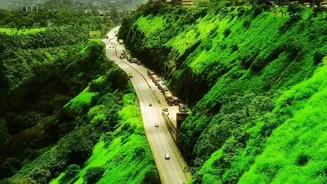
The car isn't the only thing that needs a check; you need to be aware of the road ahead. Post-monsoon hill roads are notorious for being in a state of disrepair. Be prepared for broken tarmac, potholes, and loose gravel. The most significant danger is landslides. Saturated soil after months of rain makes hillsides unstable, and landslides can occur without warning, blocking roads for hours or even days. Always check the latest road conditions before you start your journey and have a backup route in mind. Drive slowly, especially on blind corners, and be extra cautious in areas with signs of recent rockfalls. It's often safer to start early and finish your driving during daylight hours.
Pack a Comprehensive Emergency Kit
Even with the best preparation, things can go wrong. A well-stocked emergency kit is your safety net. This should include a first-aid kit with basic medicines, bandages, and antiseptic. For the car, pack a tool kit, jumper cables, and a tow strap. A torch with extra batteries, a high-visibility vest, and reflective warning triangles are also crucial for roadside emergencies, especially in low light. Given the remoteness of many hill roads, it's also smart to carry extra drinking water, non-perishable snacks, and a power bank for your phone. Knowing how to perform basic tasks, like changing a tyre, is also an invaluable skill.