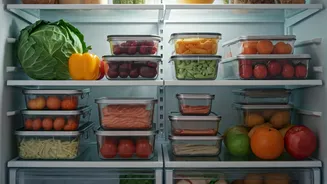









Your Wallet Will Thank You
Let’s start with the most obvious benefit: cost. The convenience of a last-minute order comes at a premium. When you factor in restaurant markups, delivery fees, taxes, and the occasional surge charge, a single meal for one can easily cost ₹300-₹500.
Now, multiply that by several nights a week. The numbers add up alarmingly fast. In contrast, planning your meals allows you to buy ingredients in bulk, take advantage of seasonal produce, and cook portions that can stretch across multiple meals. A simple home-cooked dal, sabzi, and roti can cost a fraction of its restaurant equivalent. Meal planning isn't about being stingy; it's about being smart with your money so you can spend it on things that matter more to you than a delivery fee.
Take Control of Your Health
When you order food, you're outsourcing your nutrition. Restaurant and takeaway meals are often designed for maximum flavour, which can mean excess sodium, unhealthy fats, and hidden sugars. Portion sizes are frequently larger than what you might serve yourself at home, leading to overeating. By planning and cooking your own meals, you become the master of your ingredients. You control the amount of oil, salt, and sugar. You can prioritise whole grains, lean proteins, and fresh vegetables. This doesn't mean your food has to be boring. It simply means you have the power to make conscious choices that align with your wellness goals, whether that’s managing your weight, boosting your energy, or simply feeling better day-to-day.
Reclaim Your Time and Mental Space
It’s a common misconception that ordering food saves time. Think about the entire process: the endless scrolling through menus, the group chat debate over what to order, the 30-45 minute wait for delivery. This is valuable time you’ll never get back. More importantly, it contributes to 'decision fatigue'—the mental exhaustion that comes from making too many small choices. A planned meal system eliminates this nightly chaos. A little bit of planning on a Sunday afternoon—deciding on a few meals, making a grocery list, maybe even chopping some vegetables—can save you hours of stress during the week. When you get home tired from work, your future self has already done the thinking. The path to a delicious, home-cooked meal is clear and simple.
Fight Food Waste, One Meal at a Time
How often have you found a sad, wilted bunch of coriander or a forgotten bell pepper at the back of your fridge? This is a common consequence of unplanned grocery shopping and last-minute takeaways. When you don’t have a plan for the food you buy, it’s easy for it to go to waste. Meal planning forces you to take inventory of what you have and build meals around those ingredients. That half-used onion or leftover rice from the previous night becomes part of a new dish, not part of the landfill. By creating a weekly menu, you buy only what you need, ensuring every ingredient has a purpose. It’s a simple yet incredibly effective way to reduce your environmental footprint and save money that would otherwise end up in the bin.
Rediscover the Joy of Cooking
When cooking is a last-minute, panicked activity, it feels like a chore. But when it's planned, it can become a source of joy and creativity. Meal planning gives you the space to be intentional about your food. You can finally try that new recipe you saved, experiment with different spices, or perfect your favourite comfort food. It can be a mindful activity—a chance to disconnect from screens and engage your senses. Involving family members in the planning and cooking process can also turn it into a bonding experience. Instead of being a stressful necessity, putting a meal on the table becomes a fulfilling and enjoyable part of your day.