


The Ageing Pillars
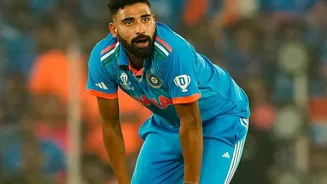
The core of India's pace dominance has been built around Jasprit Bumrah, Mohammed Shami, and Mohammed Siraj. Bumrah, arguably the finest all-format bowler of his generation, remains the leader of the pack. However, at 33, and with a history of back issues
and a physically demanding bowling action, managing his workload is a constant challenge. Mohammed Shami, the hero of the 2023 World Cup, has battled a chronic heel issue that required surgery and a lengthy rehabilitation. While he has shown incredible resilience, his body has been through significant wear and tear, making consistent, injury-free runs harder to guarantee. Then there is Mohammed Siraj, who became the attack's workhorse, especially in Test cricket, during the injury-enforced absences of his senior partners. This immense workload has also taken a toll, with recent periods showing a visible drop in his pace and penetration, raising concerns about burnout. While he remains a key asset, the question of his optimal usage persists.
The Injury Cycle
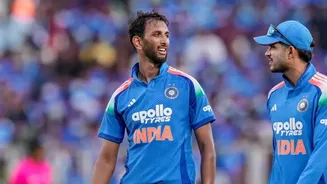
The most significant red flag is the unrelenting cycle of injuries. Fast bowling puts immense strain on the body, and India's top pacers are no strangers to the rehabilitation room at the National Cricket Academy. Prasidh Krishna, a bowler valued for his height and bounce, has seen his career frequently interrupted by injuries, with a recent hamstring issue being the latest setback. This pattern of promising pacers breaking down is a major concern. Workload management has been a buzzword in Indian cricket for years, yet the problem persists. The team management has often stated that this is a primary focus for fast bowlers, but the packed international and IPL calendar makes it a difficult balance to strike. This constant churn due to injuries prevents the team from building a settled, cohesive pace unit, forcing frequent changes and experimentation.
Questions of Depth and Form
Beyond the main trio, the picture gets murkier. While India has a pool of talented fast bowlers, a lack of clarity and consistency has been an issue. In 2026 alone, India has used ten different pace options in eleven ODIs, a statistic that highlights the uncertainty. Prasidh Krishna has shown wicket-taking ability but can be expensive. Arshdeep Singh offers a valuable left-arm option and death-bowling skills, but is still cementing his place as an all-format regular. The likes of Harshit Rana, who combines aggression with pace, and the express-fast Mayank Yadav have generated excitement, but both have also had their own injury struggles. Others like Mukesh Kumar offer reliability and control but perhaps not the outright wicket-taking threat needed at the highest level. This has led to a situation where India is constantly searching for the right combination rather than building on a settled group.
The Road to 2027
With the next World Cup to be held in South Africa, where pace bowling will be a decisive factor, these concerns are particularly acute. The challenge for the selectors and team management is to move from experimentation to identification. It's crucial to define roles within the squad and give a select group of bowlers a consistent run to build confidence and rhythm. The IPL has been a fantastic breeding ground for talent, exposing young bowlers to high-pressure situations. The BCCI's fast-bowling contracts, introduced in 2024, are another step in the right direction, aiming to nurture a pipeline of quicks like Mayank Yadav, Akash Deep, and others. Nurturing this next generation through the 'A' team system and managing their transition to the senior side, while carefully preserving the veterans, will be paramount. The future may not lie in finding a single replacement for the likes of Bumrah or Shami, but in building a versatile and resilient collective.