





More Than Just Breakfast
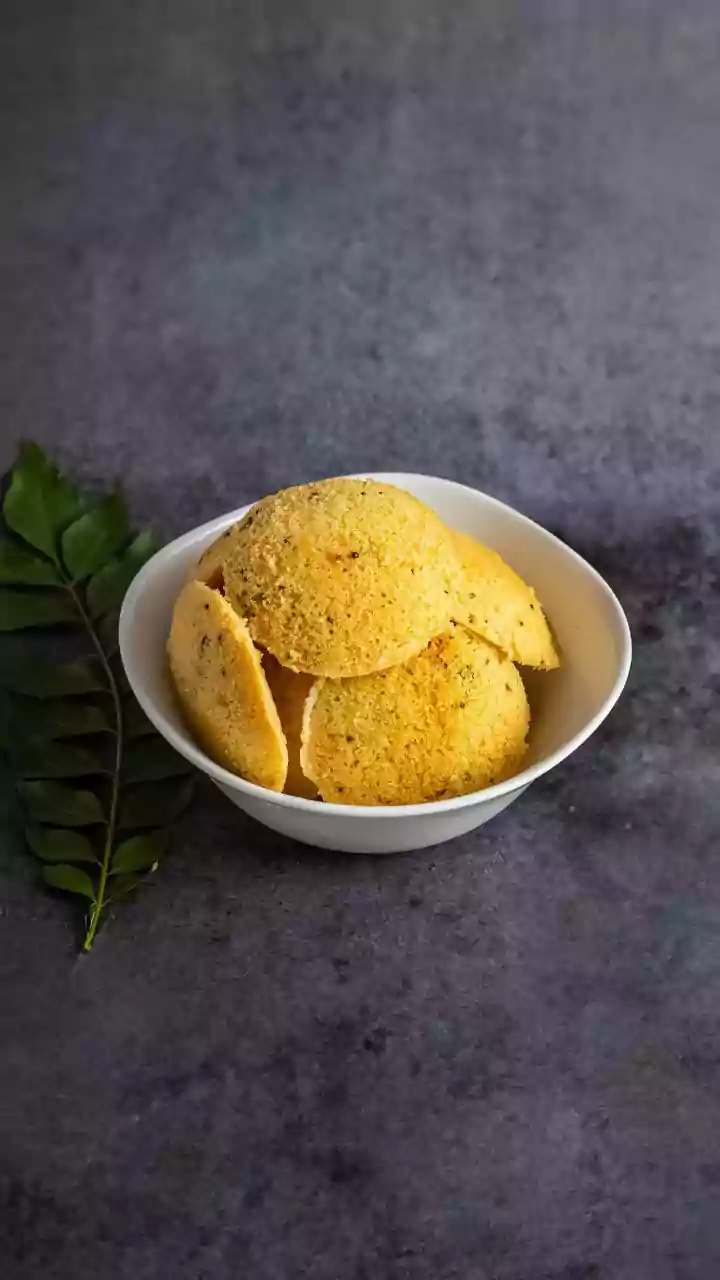
For generations, the idli has been a constant—a simple, comforting, and nutritious start to the day. But recently, this traditional food has stepped into a new, brighter spotlight. The 'idli opportunity' refers to the rapidly growing market for idli and related
products, both within India and across the globe. This boom is powered by a perfect storm of modern consumer trends: the global wellness movement, the relentless demand for convenience, and the increasing appetite for authentic, international cuisines. What was once a local, homemade delicacy is now the focus of startups, major food corporations, and a burgeoning export market that's transforming the business of Indian food.
A Gut-Healthy Proposition
A key driver of the idli's rising stardom is its impressive health profile, which aligns perfectly with today's wellness-conscious consumers. The magic is in the fermentation. Made from a fermented batter of rice and lentils, idli is a natural source of probiotics, the beneficial bacteria crucial for gut health. The fermentation process also breaks down complex nutrients, making idlis easier to digest and enhancing the body's ability to absorb minerals like iron and calcium. As they are steamed and not fried, they are naturally low in calories. This combination of being gut-friendly, nutrient-rich, and light makes the idli an attractive option for a global audience seeking healthy and functional foods.
The Convenience Factor
In today's fast-paced world, time is a luxury, and this has fuelled a massive surge in the ready-to-eat (RTE) and ready-to-cook (RTC) food markets. The idli is a prime beneficiary. The Indian RTE food market is expanding rapidly, with some reports forecasting a compound annual growth rate (CAGR) of over 15%. The idli and dosa batter segment is growing even faster, at around 18% annually. Companies like iD Fresh Food, which started in a small Bengaluru kitchen, have scaled into major enterprises by offering preservative-free, ready-to-use batter that eliminates the traditional, time-consuming process of grinding and fermenting at home. This has made enjoying fresh idlis a daily possibility for busy urban households, not just in India but also in markets like the UAE, UK, and US.
Startups and Innovations
The growing demand has sparked a wave of innovation. Startups are reimagining the classic idli to cater to diverse dietary needs and palates. You can now find batters made from millets like ragi, oats, and quinoa, tapping into the superfood trend. There are also new, creative flavour variations, such as spinach or beetroot idlis, and even savoury options like schezwan idli. The innovation isn't just in the ingredients. Companies are investing in automated, state-of-the-art manufacturing facilities to ensure hygiene and consistency at scale. Some franchises like 'Mr. Idli' are even planning IPOs, signaling the immense financial potential seen in this category.
Going Global
The idli's appeal is no longer limited by geography. Fueled by a large and growing Indian diaspora of over 32 million people, the demand for authentic Indian food is stronger than ever. But the interest extends beyond the diaspora. As global consumers become more adventurous, Indian cuisine is gaining mainstream traction. Ready-to-eat Indian meals are becoming a fixture in supermarkets in the US, UK, and UAE. Idli, with its simple, non-spicy flavour and healthy profile, serves as a perfect ambassador for Indian food, often acting as an entry point for international consumers exploring the cuisine. Its versatility allows it to be paired with traditional accompaniments or even non-traditional ones like hummus or avocado, adapting to local tastes.