





Why the Extra Caution?
The rainy season dramatically changes the food safety landscape. The combination of high humidity and ambient temperatures creates an ideal breeding ground for harmful bacteria, viruses, and fungi. This means food spoils faster, from fresh produce to
cooked meals left at room temperature. Furthermore, heavy rains can lead to waterlogging and contamination of public water supplies with sewage, increasing the risk of waterborne diseases like cholera, typhoid, and gastroenteritis. These pathogens can easily find their way into restaurant kitchens through produce, water used for cooking and cleaning, or even via pests like flies, which are more common during this season.
The Pre-Visit Hygiene Check
Before you even take a seat, a quick scan of the restaurant can reveal a lot about its hygiene standards. Look for a clean entrance and a dining area that is well-maintained and free of flies. A critical indicator is the prominent display of a valid FSSAI license, which is mandatory for all food businesses in India. Many restaurants also participate in the FSSAI's voluntary Hygiene Rating scheme, which grades establishments on a scale of one to five. A higher rating can provide additional reassurance. Pay attention to the staff; they should be in clean uniforms and handling food with appropriate care. If the general environment looks untidy or staff hygiene seems questionable, it’s a wise move to dine elsewhere.
Smarter Menu Choices
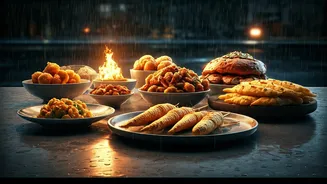
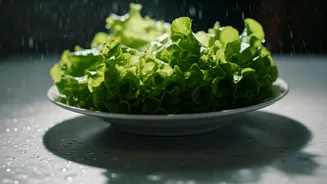
What you order is just as important as where you eat. During the monsoon, certain foods carry a higher risk. It's best to steer clear of raw or uncooked items. This includes salads, pre-cut fruits, and especially chaat items like pani puri where the water used may not be purified. Raw leafy green vegetables can be difficult to wash thoroughly and may harbor germs. Seafood is another category to be cautious with, as the monsoon is the breeding season for many fish and prawns, raising concerns about freshness and spoilage. Your safest bet is to order food that is freshly prepared and served piping hot, as high temperatures kill most harmful pathogens. Opt for dishes that are steamed, boiled, or well-cooked.
Beverages and Water Wisdom
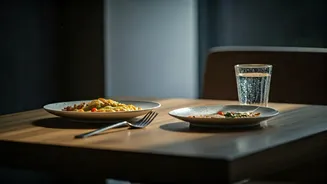
Water is a primary carrier of monsoon-related illnesses like typhoid and cholera. Therefore, be extremely cautious about the water you drink. Always insist on sealed bottled water from a reputable brand or stick to beverages that are boiled, like tea or coffee. Avoid ordering drinks with ice unless you can be certain it was made from purified water, as freezing does not kill bacteria. Juices made from pre-cut fruits or by street vendors are also risky, as the fruit may be contaminated or mixed with unsafe water. Canned or bottled soft drinks are generally a safe alternative.
Red Flags at the Table
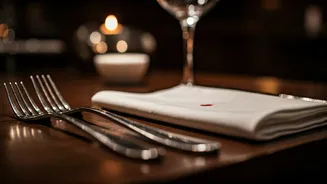
Once you are seated, there are a few more details to observe. Check the cleanliness of the table, cutlery, and glasses. If they feel sticky or have visible stains, don't hesitate to ask for replacements. Condiments and sauces left uncovered on tables are also a potential source of contamination, as they are exposed to the humid air and flies. If you are served food that is not hot, especially dishes that are supposed to be, it could be a sign that it was not freshly cooked. Trust your senses; if anything smells or tastes off, it is safer not to consume it. Food poisoning symptoms can include nausea, vomiting, and stomach cramps, so being vigilant is your best defence.