


The Great Indian Coffee Awakening
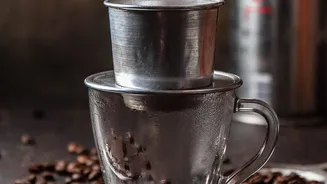
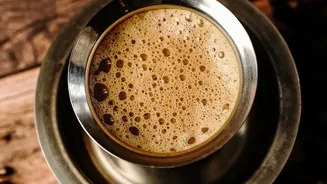
For decades, coffee in most of India meant one of two things: traditional filter 'kaapi' in the south, or a jar of instant coffee in kitchens everywhere else. While India has long been one of the world's top coffee producers, the majority of its high-quality
beans were exported. But that's changing rapidly. A cultural shift, led by Millennials and Gen Z, is redefining coffee from a simple caffeine fix into an artisanal experience. This new generation of drinkers is curious, has more disposable income, and is exposed to global trends through travel and social media. They are no longer satisfied with mass-produced instant blends and are instead seeking out complex flavours, ethical sourcing, and the story behind their cup.
Demystifying the 'Third Wave'
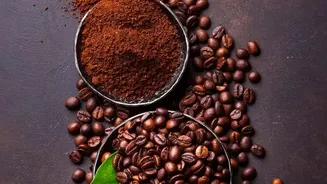
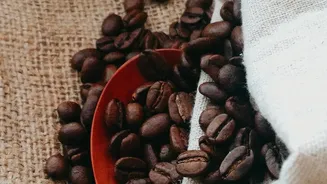
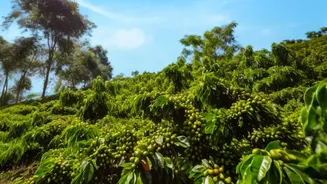
This movement is often called the "third wave" of coffee. The first wave was the rise of convenient, mass-market instant coffee. The second was the explosion of café chains and espresso-based drinks like lattes and cappuccinos. The third wave treats coffee like wine or craft chocolate, focusing on its origin and unique flavour profile. A "single-origin" coffee comes from a specific farm or estate in a particular region, like Chikmagalur or Coorg in Karnataka. This traceability allows drinkers to appreciate the distinct 'terroir'—how the specific soil, climate, and altitude shape the bean's taste. Roasters use lighter profiles to preserve these delicate notes, a world away from the dark, uniform taste of commodity coffee.
Driven by a New Generation's Values
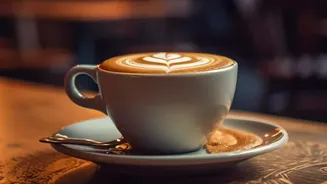
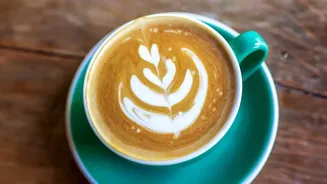
So, why the sudden shift? For young, urban Indians, coffee has become a form of self-expression. Their choice of brew reflects a desire for authenticity and mindful consumption. They want to know where their beans come from, who grew them, and that they were sourced ethically. This has fuelled a boom in homegrown specialty brands like Blue Tokai, Third Wave Coffee, and Corridor Seven Coffee Roasters, which emphasize direct relationships with Indian estates. The visual appeal is also a huge factor; in the age of Instagram, latte art and minimalist café aesthetics turn a simple coffee run into shareable content. This digital culture has amplified the trend, making specialty coffee an aspirational lifestyle choice.
From Cafés to Kitchen Counters
The new coffee culture isn't just happening in trendy urban cafés. The pandemic accelerated a move toward home brewing, as people sought to replicate the café experience in their own kitchens. There has been a spectacular growth in sales of manual brewing equipment like pour-over drippers, AeroPresses, and French presses among younger buyers. Consumers are eagerly watching YouTube tutorials and signing up for home coffee subscriptions. Brands have responded by making high-quality, freshly roasted beans from estates in Araku Valley, Baba Budangiri, and Wayanad easily accessible online, complete with tasting notes and brewing guides. This has empowered a generation to become home baristas, experimenting with different beans and methods.
A Taste of the Future
While instant coffee still dominates the overall market by volume, the specialty segment is growing at a remarkable pace—by some estimates, three times faster than the general coffee market. What was once a niche interest in major metros like Bengaluru, Mumbai, and Delhi is now expanding to Tier-2 cities. Chains like Third Wave Coffee have ambitious expansion plans, bringing the specialty experience to new corners of the country, including a recent launch in Kolkata. This isn't just a fad; it's a structural shift. It signals a growing domestic appreciation for India's own world-class coffee, which for years was almost exclusively enjoyed overseas. The movement represents a consumer who values quality, story, and craftsmanship over pure convenience.