

An Ancient Culinary Tradition
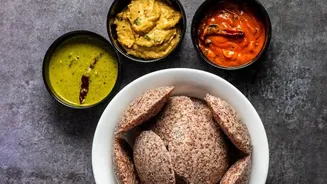
In India, fermentation isn't a recently rediscovered health trend; it's a culinary cornerstone that is thousands of years old. This slow, magical process is woven into the fabric of daily meals, from the soft, steamed idlis of the South to the spongy
dhokla of the West. It began as a practical method of preservation in a time before refrigeration, transforming perishable goods into foods that could last longer. But this technique offered more than just an extended shelf life. Generations of home cooks perfected these methods, discovering that fermentation also created complex flavours, improved textures, and made food easier to digest. This age-old wisdom, passed down through families, is responsible for a vast and diverse array of dishes that are still staples today.
The Science of Flavour and Health
At its core, fermentation is a natural transformation powered by microorganisms. When batters like the one for dosa or idli are left to sit, beneficial bacteria and yeasts, often naturally present on the grains themselves, get to work. They consume the sugars and starches in the food, producing lactic acid and other compounds. This process does several remarkable things. It 'pre-digests' the food, breaking down complex components and making it lighter on the stomach. It also neutralises anti-nutrients like phytic acid, allowing our bodies to absorb more essential minerals like iron and calcium. Furthermore, this microbial activity creates a host of B vitamins and, most importantly, introduces probiotics—the friendly bacteria that support a healthy gut.
A Journey Across Fermented India
The diversity of India's fermented foods is a testament to its varied climates and cultures. In the South, the fermented rice and lentil batters for idli, dosa, and appam are legendary breakfast staples. Head west to Gujarat, and you'll find the airy, tangy dhokla, a steamed snack made from fermented chickpea flour. In the North, the winter months bring Kanji, a powerful probiotic drink made from black carrots and mustard seeds left to ferment in the sun. The East has its own traditions, like Panta Bhat, a cooling dish of leftover rice soaked in water and lightly fermented overnight, perfect for hot weather. Even in the Northeast, communities ferment bamboo shoots (khorisa) and soybeans (hawaijar), creating pungent and beloved regional delicacies.
A Gut Feeling for Modern Wellness
Today, as modern science shines a light on the importance of gut health, these ancient Indian practices are gaining renewed appreciation. The probiotics naturally present in foods like homemade dahi (curd), kanji, and even traditional pickles are now recognised for their ability to balance the gut microbiome, which is linked to everything from digestion to immunity. What was once intuitive knowledge for grandmothers—that a bowl of curd rice is soothing for an upset stomach or that buttermilk aids digestion—is now backed by scientific understanding. These everyday dishes offer a simple, affordable, and delicious way to nurture gut health without relying on expensive supplements.