





Decoding Trail Difficulty
Before you even set foot on a trail, it's crucial to understand how hikes are rated. Most parks, including those managed by Parks Canada, use a system that generally classifies trails as easy, moderate, or difficult. An 'easy' trail is typically a well-defined,
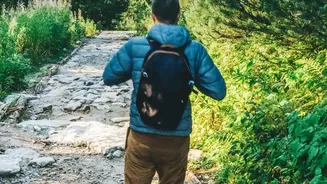
relatively flat path with minimal elevation change, suitable for almost anyone. A 'moderate' trail requires more fitness, featuring noticeable elevation gain and uneven surfaces like rocks and roots. 'Difficult' or 'strenuous' trails are reserved for experienced hikers, involving steep, sustained climbs, significant elevation gain, and potentially long distances. These ratings are your first clue to the kind of day you're signing up for.
The Anatomy of an Easy Walk
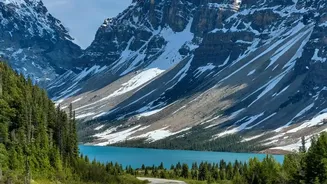
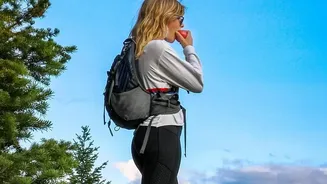
An easy walk in the Rockies is all about maximum reward for minimal effort. These are often shorter trails, generally under 5 miles, with little to no significant elevation gain. Think of trails like the Johnston Canyon walk to the lower falls, the loop around Emerald Lake, or the flat lakeshore path at Lake Louise. These paths are well-maintained, clearly marked, and often accessible to families with children. The required gear is minimal: comfortable walking shoes, a water bottle, sunglasses, and perhaps a light jacket are usually sufficient. These walks are perfect for acclimatizing to the altitude, enjoying the scenery without a major physical commitment, and soaking in the epic views on a rest day.
What Makes a Trek 'Serious'?
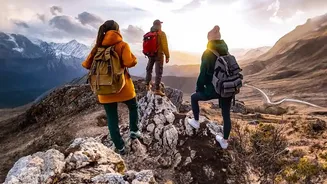
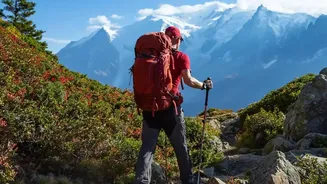
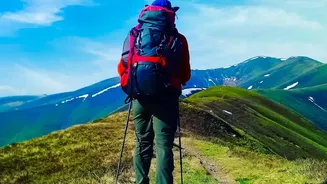
A serious trek is a significant step up in every metric. The key differentiators are cumulative elevation gain, distance, and terrain complexity. Elevation gain refers to the total vertical distance you climb. A trek with over 1,500 feet of gain is entering more challenging territory, while gains over 3,000 feet are considered very strenuous. These treks often cover more than 8 miles and can take six hours or more to complete. The terrain itself becomes a major factor. Instead of a smooth path, you might face loose rock (scree), large boulders, narrow ridges with steep drop-offs (exposure), and even sections that require using your hands for balance—a skill known as scrambling. Trails may be less defined, demanding better route-finding skills.
Gearing Up for the Challenge
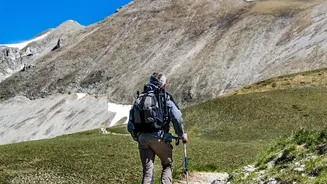
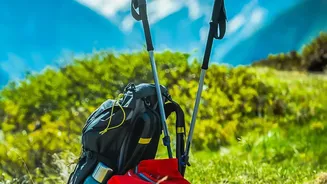
The gear you carry is directly related to the difficulty of your objective. While an easy walk requires little more than basics, a serious trek demands preparation for changing conditions and potential emergencies. Sturdy, broken-in hiking boots with good ankle support are non-negotiable. A proper daypack should carry the 'ten essentials', which include navigation tools (map, compass, or GPS), extra food and water, extra layers of clothing (weather in the Rockies can change in an instant), a headlamp, a first-aid kit, and bear spray. Many experienced hikers also rely on trekking poles to save their knees on steep descents and provide stability on uneven ground.
Honest Self-Assessment is Key
The most important factor in choosing a trail is an honest assessment of your own fitness and experience. A 'difficult' rating is not a challenge to be taken lightly; most backcountry rescues happen when people attempt trails beyond their capabilities. If you're new to mountain hiking, start with easy and moderate trails to build confidence and fitness. Pay attention to how your body feels with elevation gain. A person in good hiking condition can typically climb between 250 and 350 metres of elevation per hour. Before heading out on any trek, always check current trail conditions, weather forecasts, and wildlife advisories. The mountains will always be there, and it's far better to choose a trail you can enjoy safely than to push your limits too far.