



Assess the Real Damage
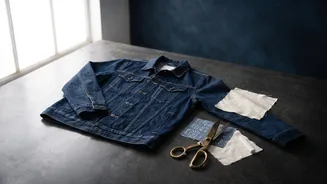
Before making any decisions, take a closer look at the problem. Is it a minor issue or a major failure? Small, localised problems are often the best candidates for repair. Simple fixes include missing buttons, split seams, or small tears, which are generally
straightforward for a professional tailor or even a beginner with a needle and thread. However, if the fabric itself is the problem—thinning, brittle, or covered in pilling—a repair might only be a temporary solution. Stitching a tear into fabric that is already weak might just cause another hole to appear nearby. A good rule is to check if the garment is structurally sound apart from the one specific fault. If so, it's likely worth saving.
Calculate the Cost
The next step is a simple cost-benefit analysis. Compare the price of a repair against the cost of a brand-new replacement. Most common repairs, like fixing a zipper or hemming trousers, are significantly less expensive than buying a new item. A good rule of thumb is that if the repair costs less than 50% of the replacement's price, it's usually a financially sound decision. For a high-quality coat that cost hundreds of dollars, spending a fraction of that to replace a lining or button makes clear economic sense. But for a cheap, fast-fashion t-shirt, an expensive repair may not be justified unless the item holds sentimental value. Be honest about the garment's original quality and what it would truly cost to find an equivalent replacement.
Factor in Time and Skill
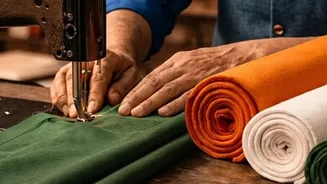
DIY repairs can be incredibly cost-effective, with basic sewing kits being very affordable. However, you must be realistic about your own skills and, more importantly, your time. Do you have the patience and know-how to fix it yourself? Simple tasks like sewing on a button are easy to learn. More complex jobs, like replacing a zipper on a jacket, might be best left to a professional to ensure a durable and clean finish. Also, consider the 'guilt project' phenomenon: a bag of clothes waiting for repairs that you never get around to. If you know you won't make the time, paying a tailor is a better investment than letting a beloved item languish in a mending pile indefinitely.
Consider Sentimental Value
Some garments are worth more than their price tag suggests. An item passed down from a family member, a souvenir from a special trip, or simply a piece that makes you feel uniquely confident holds an emotional value that can't be replaced. For these items, the cost and effort of a repair are almost always worthwhile. Mending these clothes isn't just about restoring function; it's about preserving memories and personal history. Even if the repair is visible, it can add to the garment's story and character, turning a simple fix into a unique feature.
Weigh the Environmental Impact
Finally, choosing to repair is a powerful act of sustainability. The fashion industry is a major contributor to global pollution, consuming vast amounts of water and energy. It takes an estimated 2,700 litres of water to produce a single cotton t-shirt. When we discard clothing, it often ends up in landfills, where synthetic fibres can take centuries to decompose, leaching chemicals into the soil and water. Extending the life of a garment by just nine months can reduce its carbon, water, and waste footprints by 20-30%. By mending a seam or replacing a button, you are actively participating in a more circular economy, reducing waste and conserving precious resources.