






Choose Homestays Over Hotels
Your biggest saving will come from accommodation. While Bali has luxurious resorts, the real value lies in its guesthouses ('losmen') and homestays. For a solo traveller, these offer a safe, clean, and incredibly affordable place to stay, often for as little
as ₹800 to ₹1,500 per night. Not only do you save money, but you also get a more authentic experience, often with a welcoming local family as your host. Areas like Ubud, Kuta, and Canggu have numerous budget-friendly hostels and homestays. For even better rates, consider staying just outside the main tourist centres. Locations such as Sanur, Amed, or the outskirts of Ubud offer the same charm for a fraction of the cost of prime real estate in Seminyak or Canggu.
Eat Like a Local at Warungs
The secret to eating well and cheaply in Bali is one word: warung. These are small, family-run eateries that serve delicious, authentic Indonesian food for a fraction of the price of tourist-focused restaurants. A filling meal of 'Nasi Goreng' (fried rice) or 'Mie Goreng' (fried noodles) can cost as little as ₹150 to ₹300. Another must-try is 'Nasi Campur', where you get a plate of rice with a variety of small portions of meat, vegetables, and tempeh. Sticking to warungs for your main meals can keep your daily food budget under ₹800. Most warungs are very welcoming to tourists, and many also offer plenty of vegetarian options, making it a win-win for your wallet and your taste buds.
Mastering Budget Transportation
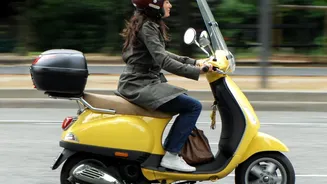
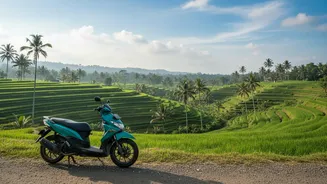
Getting around Bali can be expensive if you rely solely on pre-booked taxis. For solo travellers, the most economical option is to use ride-hailing apps like Gojek or Grab. A short trip on the back of a scooter taxi ('ojek') is incredibly cheap and a great way to navigate through traffic. If you are a confident rider, renting your own scooter for around ₹300–₹500 per day offers ultimate freedom. However, be aware that Bali's traffic can be chaotic, so only choose this option if you have experience. For longer day trips, hiring a private car with a driver can be cost-effective if you find other travellers to share the expense, but for a solo journey, sticking to ride-hailing apps for point-to-point travel is your best bet.
Enjoying Scenic Spots for Free
Bali's natural beauty is its biggest draw, and much of it can be enjoyed for free or for a very small entry fee. Stunning beaches like Kuta, Seminyak, and Nyang Nyang are completely free to access. You can spend hours simply walking, swimming, and watching the sunset. Many of the island's famous rice terraces, like those in Pupuan, can be explored without a ticket. The scenic Campuhan Ridge Walk in Ubud is another popular free activity that offers breathtaking views of lush greenery. While major temples like Uluwatu or Tanah Lot have entrance fees, they are generally quite modest, costing only a few hundred rupees.
Travel During the Shoulder Season
When you travel can have a huge impact on your budget. The peak tourist season in Bali is from June to August. By planning your solo trip during the shoulder months—such as April, May, September, or October—you can find significantly lower prices for flights and accommodation. The weather is still excellent during these months, but the crowds are thinner, and hotels often offer discounts of 20-30%. This is a simple yet highly effective way to make your Indian solo trip to Bali much more affordable.
Smart Money and Shopping Habits
To avoid high currency conversion fees, consider getting a zero-forex card before you leave India. You can carry a small amount of Indonesian Rupiah (IDR) from India for immediate expenses like a taxi from the airport, and then withdraw cash from local ATMs in Bali as needed. When paying with a card, always choose to be charged in the local currency (IDR) rather than your home currency to get a better exchange rate. When shopping in local markets, remember that bargaining is part of the culture, but always do it with a smile and a respectful attitude.