





Mastering the Post-Walk Wipe-Down
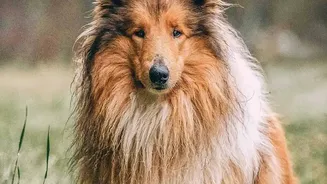
The single most important routine during the monsoon is drying your pet thoroughly after every single walk, even short ones. Trapped moisture in a dog's coat, especially for double-coated breeds, creates the perfect warm, dark environment for fungal and
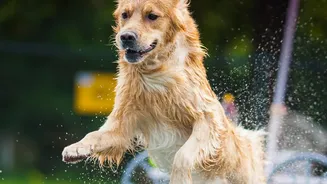
bacterial skin infections to flourish. Keep a dedicated, highly absorbent microfibre towel by the door. Focus on drying not just the back, but also the paws, between the toes, the underbelly, and inside any skin folds. For long-haired breeds, a pet-safe dryer on a low-heat setting can be a game-changer. This simple, five-minute habit is the first line of defence against the most common monsoon skin issues like itchiness, hot spots, and odorous fungal growth.
Winning the War on Paws and Mud
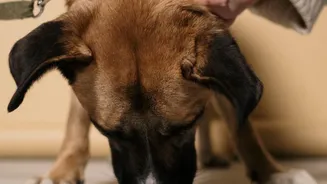
Your pet’s paws are on the front line, coming into direct contact with muddy, contaminated puddle water that can harbour harmful bacteria and parasites. Wiping paws after each walk is non-negotiable. Use a damp cloth followed by a dry one, or a shallow foot soak with lukewarm water. Be sure to dry carefully between the paw pads to prevent yeast infections. Regularly inspect paws for any cuts, redness, or swelling. For pets with long fur, trimming the hair around the paw pads can significantly reduce the amount of mud and moisture they track indoors, making cleanup easier for everyone.
A Proactive Stance on Parasites
The warm, humid monsoon weather creates a paradise for ticks, fleas, and mosquitoes, which are not just a nuisance but can transmit serious diseases. Tick fever, for example, sees a significant spike during this season. It is crucial to continue your pet’s regular tick and flea prevention program as advised by your veterinarian. Daily checks are also important. After walks, run your hands through your pet's fur, checking around the ears, neck, and paws for any unwanted hitchhikers. Keeping your home clean by frequently washing pet bedding in hot water and vacuuming carpets can also help break the life cycle of these parasites.
Small Tweaks to Diet and Hydration
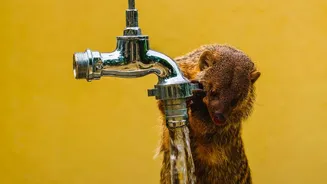
With shorter walks and less outdoor time, your pet's activity levels may decrease, meaning they might not need as many calories. It’s wise to monitor their food intake to prevent unnecessary weight gain. The high humidity can also cause dry food like kibble to spoil or become mouldy faster, so store it in an airtight container. While the weather is cooler, hydration remains critical. Stagnant water collects bacteria more quickly in humid conditions, so ensure their water bowl is cleaned daily and filled with fresh, clean water. Some vets suggest providing filtered or boiled water as an extra precaution against waterborne infections.
Beating Indoor Boredom and Anxiety
Fewer walks can lead to a bored and restless pet. Engaging them with indoor activities provides essential mental and physical stimulation. Simple games like indoor fetch with a soft toy, hide-and-seek, or a gentle game of tug-of-war can burn off excess energy. Food puzzle toys, snuffle mats, and lick mats are excellent tools to make mealtimes more engaging and mentally tiring. It’s also a great time to practice new tricks. For pets anxious about the loud sounds of thunder, creating a safe, cosy space with their favourite blanket and some soothing sounds can provide comfort.