



The Monsoon's Final Act
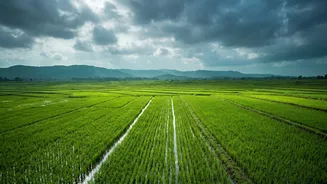
The Southwest Monsoon, which delivers about 75% of India's annual rainfall, is a story told in two parts. The initial deluges from June to August are vital for the sowing and growth of Kharif (summer) crops. However, the September rains are just as crucial.
They provide the final burst of hydration for maturing Kharif vegetables and, critically, ensure there is enough moisture in the soil for the upcoming Rabi (winter) crop sowing season, which typically begins in October. A dry September can therefore have a cascading effect, jeopardizing two crop cycles at once. This year, the monsoon has been erratic, with a weak start in June followed by a recovery in July, but deficits have re-emerged in August. As of late August, the overall Kharif sowing area was tracking slightly behind last year's figures, with paddy and coarse cereals showing a deficit.
Why September Rains Matter for Your Plate
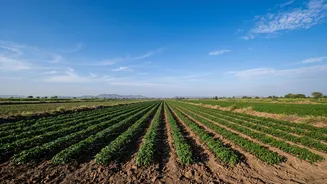
When September rains fail, the immediate impact is on late-stage Kharif crops. But the bigger worry is the Rabi season. Without adequate soil moisture from the departing monsoon, farmers face a difficult choice: delay sowing, switch to less thirsty but potentially less profitable crops, or risk planting in suboptimal conditions. Lower reservoir levels across the country further compound the problem, limiting the availability of irrigation water needed to compensate for poor rainfall. This directly impacts the supply of many staple vegetables that flourish in the winter season, including onions, potatoes, tomatoes, and a variety of leafy greens. A shortfall in the production of these essentials almost inevitably leads to price volatility in the market a few months down the line. Vegetables are highly perishable and their prices are extremely sensitive to weather shocks and supply disruptions.
Regions and Crops on High Alert
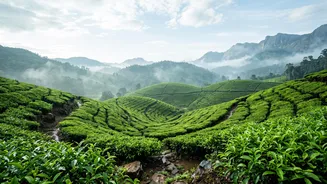
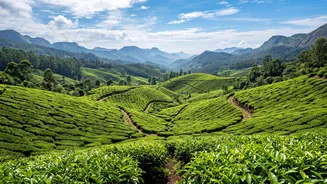
Several key agricultural belts are particularly dependent on late monsoon showers. The Monsoon Core Zone, which includes states like Maharashtra, Madhya Pradesh, Gujarat, and parts of Karnataka and Rajasthan, is a region of concern. These areas are significant producers of pulses, oilseeds, and vegetables. A poor September performance here can have national consequences. For instance, Maharashtra is a major hub for onion production, and any disruption there can cause prices to spike across the country, as has been seen in previous years. Similarly, rain-fed agricultural zones in peninsular and central India are on watch. The India Meteorological Department's forecast for the first week of September 2026 already indicates subdued rainfall activity over much of peninsular India, including key southern states. Reports from regions like the Nilgiris already show a significant decline in vegetable cultivation area and yield due to the monsoon's poor performance this year.
The Potential Impact on Your Wallet
For the average household, a weak end to the monsoon translates directly to higher grocery bills. Vegetables often lead the charge in food inflation because their supply chain is short and storage options are limited for many varieties. Onions and tomatoes, notorious for their price volatility, are particularly at risk. A supply crunch caused by poor Rabi sowing could mean paying significantly more for these daily staples from December through the early months of next year. The impact isn't just limited to fresh produce. Poor soil moisture can also affect the wheat crop, a major Rabi staple, and lower reservoir levels can impact sugarcane yields. Food inflation has already been a concern in recent months due to erratic weather, with prices for many essentials, including vegetables, pulses, and sugar, climbing. A further supply shock from a weak September monsoon could exacerbate these pressures.