
A Return to the Roots
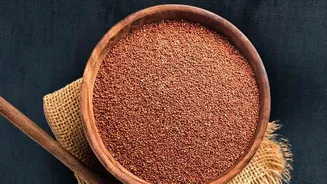
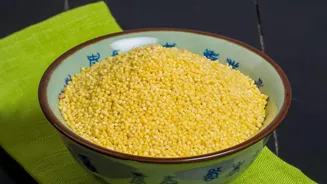
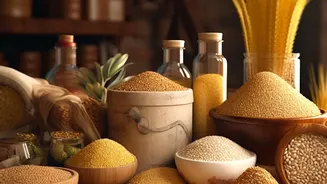
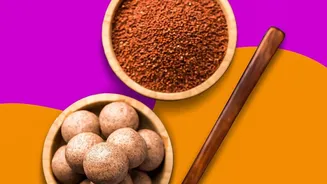
For thousands of years, millets like jowar (sorghum), bajra (pearl millet), and ragi (finger millet) were staples across India. These hardy grains, perfectly suited to India's diverse climates, formed the backbone of regional diets long before wheat and rice
became dominant. The Green Revolution in the mid-20th century, while crucial for food security, shifted focus to high-yield wheat and rice, pushing millets to the sidelines where they were often viewed as 'coarse grains' or food for rural areas. Today, that perception has completely flipped. A growing consciousness around health, sustainability, and cultural heritage is driving a powerful revival. Chefs and home cooks are rediscovering what generations past knew all along: that these grains are not just resilient, but also incredibly nutritious and delicious.
The Nutritional Powerhouse Effect
A primary driver behind this trend is health. As diners become more mindful of what’s on their plate, they are looking for food that is both delicious and functional. Millets fit this demand perfectly. They are naturally gluten-free, making them a boon for a growing population with dietary sensitivities. Furthermore, they are packed with fibre, protein, vitamins, and essential minerals. Ragi is a standout for its high calcium content, bajra for iron, and jowar for its protein and antioxidant properties. With a lower glycemic index compared to refined grains, millets help in managing blood sugar levels, offering sustained energy without the spikes and crashes associated with processed carbohydrates. This impressive nutritional profile has transformed them from a forgotten food into a celebrated 'superfood'.
A Canvas for Culinary Creativity
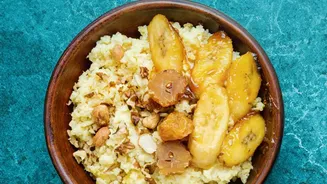
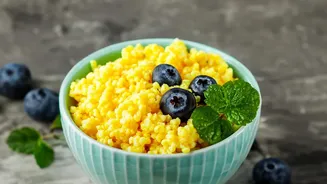
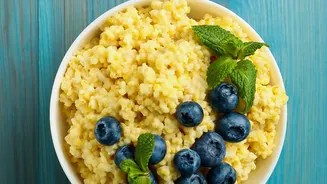
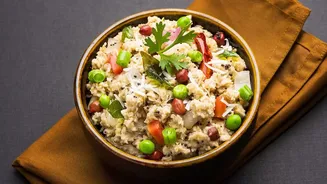
For chefs, millets are a versatile and exciting ingredient to work with. Their real magic lies in their adaptability. Unlike wheat or rice, different millets offer a spectrum of flavours and textures, from the nutty notes of foxtail millet to the earthy depth of bajra. This variety provides a new toolkit for innovation. Chefs are using millets not just as a substitute but as the primary base to build complex and satisfying dishes. The grains' ability to absorb flavours makes them ideal for fusion concepts. Imagine a creamy foxtail millet risotto that rivals its Italian arborio rice counterpart, or crispy bajra tacos that offer a delightful crunch. From millet dosas and upmas to gluten-free cakes, breads, and even beer, the creative applications are seemingly endless.
Sustainability on the Menu
The millet movement is also deeply connected to environmental consciousness. These ancient grains are famously resilient, requiring up to 70% less water than rice and thriving in arid conditions with minimal fertilisers or pesticides. In an era of increasing climate uncertainty, cultivating millets supports agricultural biodiversity and promotes a more sustainable food system. By featuring millets on their menus, chefs are not just offering a healthier meal; they are telling a story about responsible sourcing and environmental stewardship that resonates with a growing number of eco-aware diners. This push was globally amplified when the United Nations, at India’s suggestion, declared 2023 the International Year of Millets, further cementing their importance.