




A Scoop of Health and Control
One of the biggest drivers behind the homemade ice cream trend is a growing health consciousness, especially among millennials and Gen Z. Store-bought ice creams, while convenient, can be packed with preservatives, stabilizers, and high amounts of refined
sugar. The labels often list ingredients with complex chemical names or E-numbers that many consumers are becoming wary of. By making ice cream at home, people have complete control over what goes into their dessert. They can choose to use high-quality, ripe mangoes for natural sweetness, which reduces the need for added sugars. This allows them to create a treat that is not only delicious but also aligns with a desire for cleaner, more natural foods. This shift towards home-cooked meals for better health isn't just about avoiding additives; it's about actively participating in one's own wellness.
The Instagram-Worthy Experience
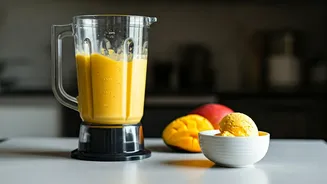
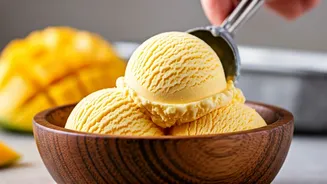
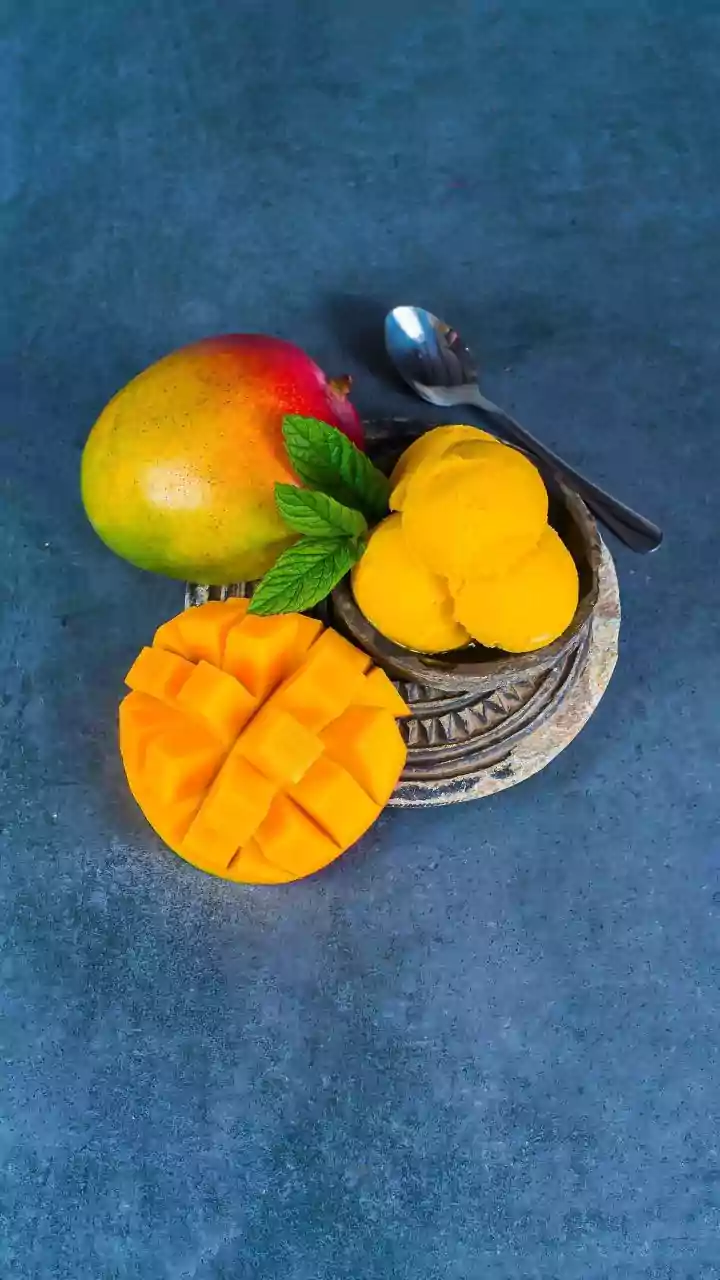
In the age of social media, the mantra is often “camera eats first.” The process of making mango ice cream—from peeling the vibrant fruit to churning the creamy mixture and artfully arranging toppings—is incredibly visual. The beautiful, sunny colour of mango ice cream makes it a photogenic star on platforms like Instagram and YouTube. Young Indians are not just making a dessert; they are creating content. They share their creations in Reels and Stories, turning a simple kitchen activity into a shared digital experience. This trend taps into the desire for aesthetic, shareable moments. The satisfaction comes not just from the taste but also from the likes, comments, and the feeling of participating in a popular, visually appealing trend.
More Than a Dessert, It’s a Hobby
Beyond health and social media, making ice cream at home has become an enjoyable activity in itself. For many young people, cooking is evolving from a daily chore into a creative passion and a form of relaxation. The process of following a recipe, experimenting with flavors, and creating something from scratch offers a sense of accomplishment. It's an activity that can be done solo as a form of therapy or with friends and family as a bonding experience. In a world of fast-paced digital consumption, the slow, tangible process of making food provides a welcome counterbalance. This hands-on approach connects them more deeply to their food and turns a simple dessert into a memorable experience.
A Taste of Modern Nostalgia
The mango is deeply intertwined with childhood memories for most Indians, representing summer vacations and simple joys. Making mango ice cream at home is a way for young people to connect with this nostalgia while putting their own modern spin on it. They are taking a flavor that is deeply traditional and personal, and reinventing it. It's a fusion of the past and the present—the familiar comfort of a beloved fruit combined with the new-age joy of DIY culture. This act of culinary creation allows them to honour tradition while also expressing their individuality, creating new memories rooted in old ones.
The Sweet Spot of Affordability
While not always the primary motivation, economics plays a role. Premium and artisanal ice cream brands can be quite expensive, with prices for a tub sometimes ranging from ₹100 to over ₹300. For those who consume ice cream regularly during the hot summer months, the costs can add up. While the initial setup might require some basic ingredients, making a large batch of mango ice cream at home can be more cost-effective in the long run, especially when seasonal mangoes are abundant and affordable. It offers a way to enjoy a high-quality, premium-tasting dessert without the premium price tag.