




Why Bother with Compost?
Compost is a powerhouse for any garden, big or small. Often called 'black gold' by gardeners, this decomposed organic material is teeming with life and essential nutrients. When you add compost to your soil, you're not just feeding your plants; you're building
a healthier ecosystem from the ground up. It improves soil structure, helping clay soils drain better and sandy soils retain more water. This means less watering for you and more resilient plants. Compost also introduces beneficial microbes that can suppress pests and diseases, reducing the need for chemical fertilizers. For urban gardeners, it’s a double win: you divert food scraps from landfills, where they would otherwise produce greenhouse gases, and you create a superior, all-natural fertilizer for free.
Your Key Ingredients: Greens and Browns
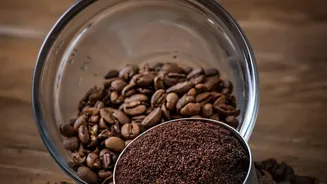
A successful compost pile relies on a simple recipe: a balanced mix of 'green' and 'brown' materials. 'Greens' are nitrogen-rich items that are typically moist and fresh. This is where your vegetable scraps and, surprisingly, your used coffee grounds come in. Despite their colour, coffee grounds are a fantastic source of nitrogen that helps heat up the compost pile and speed up decomposition. 'Browns' are carbon-rich materials that are usually dry and provide structure and airflow. Think of things like shredded newspaper (non-glossy), torn-up cardboard, toilet paper tubes, and dry leaves. A healthy balance prevents the pile from becoming a smelly, slimy mess.
What Scraps Can You Use?
Most of your fruit and vegetable trimmings are perfect for composting. This includes everything from banana peels and apple cores to onion skins and carrot tops. Crushed eggshells are also a great addition. Even paper coffee filters can be tossed in along with the grounds, as they count as a 'brown' material. However, there are a few things to avoid. Steer clear of meat, fish, dairy products, and oily or greasy foods, as these can attract pests and create foul odours. While small amounts of acidic foods like citrus peels and tomatoes are generally fine, adding too many can harm the beneficial microbes in your pile. Also, avoid composting any plants that were diseased or weeds that have gone to seed.
Setting Up Your Urban Compost System
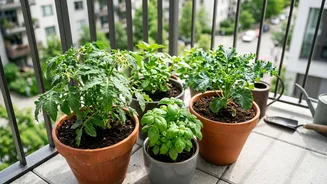
You don't need a large backyard to compost successfully. For urban dwellers with limited space, there are several excellent options. A simple, lidded bin on a balcony can work well. Compost tumblers are another great choice, as they are sealed to keep pests out and make turning the compost easy. If you're composting indoors, consider a vermicomposting (worm bin) system, which is compact, low-odour, and produces incredibly rich worm castings for your houseplants. Other indoor methods include electric composters, which rapidly dry and grind food scraps, or a Bokashi system that ferments waste in a sealed bucket. Even a simple repurposed plastic bin with holes drilled for aeration can get you started.
A Simple Step-by-Step Guide
Ready to start? The process is like making a lasagna. First, start with a base layer of 'browns' like twigs or shredded cardboard to ensure good airflow at the bottom. Next, add a layer of 'greens'—your coffee grounds and vegetable scraps. Follow this with another layer of 'browns.' The general rule of thumb is to have about two to three times as much brown material as green material by volume. Keep the pile as moist as a wrung-out sponge, adding a little water if it gets too dry. Every week or so, you'll need to aerate the pile by turning it with a small shovel or by spinning your tumbler. This introduces oxygen, which is crucial for the microbes doing all the hard work.
Is It Ready Yet?
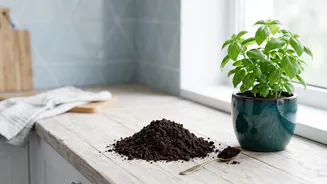
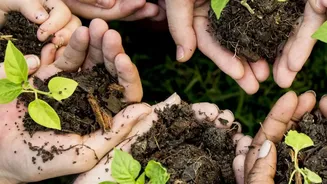
Patience is key. Depending on your method and the materials used, your compost could be ready in a few months. You’ll know it’s done when it has transformed into a dark, crumbly material that looks and smells like rich, earthy soil. It should no longer resemble the kitchen scraps you originally put in. At this point, you can sift out any larger, unfinished pieces and add the finished compost directly to your potted plants, balcony boxes, or garden beds. Your plants will thank you for the nutrient-rich boost.