



The Rise of the Balcony Orchard
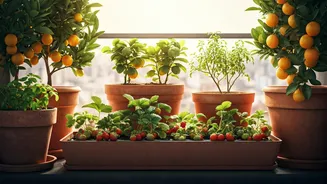
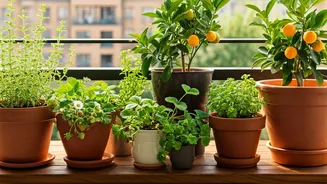
The satisfaction of eating something you've grown yourself is immense, and it’s a joy now accessible to everyone, regardless of space. Growing fruit in containers is perfect for urban homes with limited areas like balconies and terraces. Thanks to innovative
dwarf varieties and smarter gardening techniques, what once seemed like a fantasy is now a rewarding reality for thousands of city dwellers across India. Beyond the harvest, these plants add lush foliage and fragrant flowers to your living space, reducing stress and connecting you with nature. The 'upgrade' in small-space gardening lies in this accessibility—it’s about using compact, high-yield plants and vertical space to create a productive and beautiful mini-garden.
Choosing Your Fruity Champions
The key to success is selecting the right plants. Many fruits have dwarf or compact varieties specifically suited for container life. Some of the most reliable choices for Indian climates include:
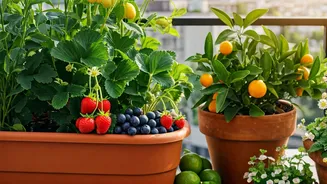
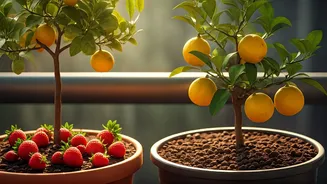
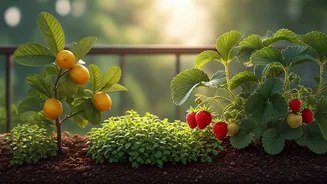
- Strawberries: Perfect for beginners, strawberries thrive in pots, hanging baskets, and vertical planters. They don't require much space and can start producing fruit within a few months with good care.
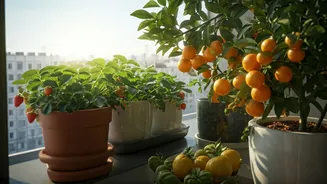
- Lemon & Other Citrus: Dwarf varieties of lemon, like the Kagzi, are famously productive in containers. Oranges and mosambi also do well, offering fragrant blossoms and year-round fruit in sunny spots.
- Guava (Amrood): A hardy and low-maintenance choice, guava trees adapt remarkably well to large pots. Varieties like Allahabad Safeda are known to be extraordinarily productive even in containers.
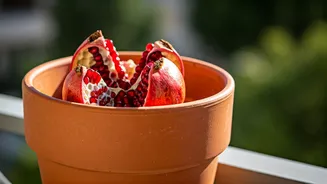
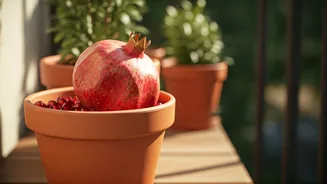
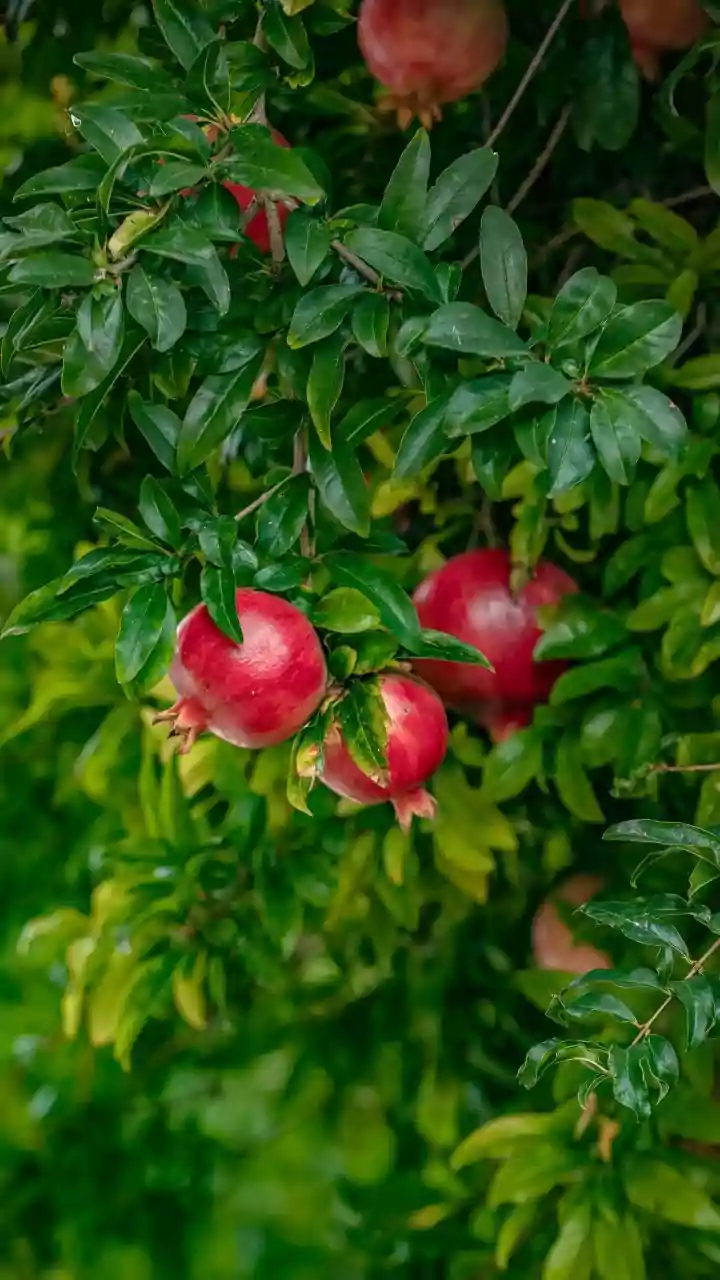
- Pomegranate (Anaar): With their beautiful flowers and nutritious fruit, pomegranates are a great addition. Their naturally compact growth makes them ideal for pots, though they need a large container and plenty of sun.
- Fig (Anjeer): Often called one of the easiest container fruit trees, figs are forgiving and produce delicious fruit with attractive foliage.
The 'Upgrade': Smarter Techniques
Modern urban gardening is all about working smarter, not harder. The biggest upgrade comes from vertical gardening, which uses walls and upward space. Tiered stands, stackable planters, and wall-mounted trellises allow you to grow more in the same small footprint. This method improves air circulation, which helps prevent disease, and makes harvesting easier with less bending.
Another part of the upgrade is the rise of dwarf and grafted plants. Nurseries now specialize in dwarf fruit trees—like Amrapali mangoes or compact apple varieties—that are bred to stay a manageable size while producing full-sized fruit. Grafted plants often begin to fruit much faster than those grown from seed, giving you a quicker return on your gardening efforts.
Potting, Soil, and Essential Care
Your plant's home is crucial. Choose a container that is large enough for the mature plant's root system—for most dwarf trees, a pot of at least 18-24 inches in diameter is a good start. Good drainage is non-negotiable, so ensure your pots have holes at the bottom.
The right soil mix will set your plant up for success. A well-draining, nutrient-rich potting mix is essential. A common blend includes garden soil, cocopeat for moisture retention, and organic compost for nutrients. Avoid using just garden soil, as it can become compacted and heavy in pots.
Container plants dry out faster than those in the ground, so regular watering is key, especially during hot weather. Water when the top couple of inches of soil feel dry. Finally, feed your plants every few weeks during the growing season with a liquid fertilizer or fresh compost to replenish nutrients.