


More Than Just Dirt
A muddy walk seems harmless enough, but what your dog brings home on their paws is more than just soil and water. City streets and park trails, especially when wet, create a cocktail of environmental hazards. Stagnant puddles and mud can be breeding grounds
for bacteria and parasites, while street runoff may contain chemical residues from pesticides or vehicle fluids. When your dog later licks their paws, they can ingest these harmful substances, turning a simple walk into a potential health risk. Furthermore, constant dampness weakens the skin on the paw pads, making them more susceptible to irritation and infection.
The Bacterial and Fungal Threat
The spaces between your dog's toes are warm and have limited airflow, creating the perfect environment for bacteria and yeast to thrive when moisture is introduced. This can lead to painful skin infections, sometimes called pododermatitis, characterized by redness, swelling, and persistent licking. Fungal infections, like yeast overgrowth, are also common in paws that remain damp for too long, often identifiable by a musty smell and greasy residue. Pathogenic bacteria such as Leptospira, which can cause severe kidney and liver damage, are often present in puddles contaminated by urban wildlife urine and can enter a dog's system through small cuts on the paw or by ingestion.
Parasites and Chemical Irritants
Muddy water can also harbour microscopic parasites like Giardia and Cryptosporidium. These organisms cause significant gastrointestinal distress, including diarrhoea and vomiting, and are easily ingested when a dog grooms its dirty paws. Beyond biological threats, wet streets often collect a slurry of chemical irritants. Runoff from lawns can contain pesticides and fertilisers, while roads may have traces of antifreeze, oil, and other vehicle fluids. These chemicals can cause direct irritation to the paw pads or lead to poisoning if licked off.
Soft Paws and Hidden Dangers
Prolonged exposure to moisture softens the tough skin of a dog’s paw pads, making them more vulnerable to cuts, scrapes, and punctures. Mud can easily hide sharp objects like broken glass, sharp stones, or thorns. An injury that might not have happened on dry ground can easily occur when the paw's natural armour is compromised by being wet and soft. A small cut, combined with the bacteria present in mud and puddles, is a recipe for a nasty infection.
A Simple Post-Walk Routine
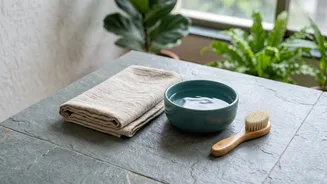
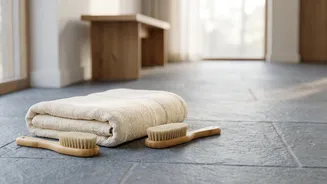
The good news is that a simple and consistent cleaning routine can mitigate most of these risks. The key is to be thorough. A quick wipe with a dry towel is often not enough to get between the toes where most of the debris and moisture collects. Setting up a designated paw-cleaning station by your door can make the process a habit. Have a shallow basin of lukewarm water, a gentle dog-friendly shampoo or a paw plunger, and a clean, absorbent towel ready. Wash each paw gently, making sure to clean between the pads, then rinse thoroughly to remove any soap residue. The most critical step is to dry the paws completely, especially between the toes, to prevent moisture-related infections.
Preventive Paw Care
Beyond cleaning, a few preventive measures can help. Keeping the fur between your dog’s paw pads trimmed short can significantly reduce the amount of mud and moisture that gets trapped. For dogs with sensitive paws or for walks in particularly rough conditions, waterproof dog booties offer excellent protection. Applying a thin layer of paw balm or wax before a walk can also create a protective barrier against irritants and moisture. Regular inspection of your dog's paws will also help you catch any minor cuts, cracks, or signs of irritation before they become serious problems.