


Sprinkling sunflower seeds on your morning oatmeal or salad feels like an easy win for heart health. But while these tiny seeds are nutritional powerhouses, the real path to a healthy heart is more complex than just one ingredient.
The Good News About Sunflower Seeds
Let's start with why
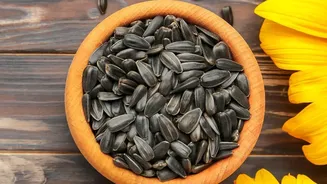
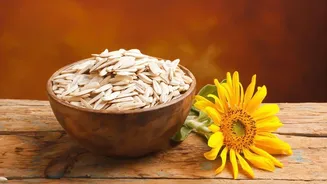
sunflower seeds earned their health-conscious reputation. They are indeed packed with nutrients beneficial for cardiovascular wellness. They are an excellent source of vitamin E, a potent antioxidant that helps reduce inflammation, a known risk factor for heart disease. They also contain compounds called phytosterols, which can help lower 'bad' LDL cholesterol by preventing its absorption in the body. Furthermore, these seeds are rich in magnesium, a mineral that plays a crucial role in regulating blood pressure by helping blood vessels relax. Add healthy unsaturated fats and fibre to the mix, and it's clear that sunflower seeds have a lot to offer as part of a balanced diet.
The Limits of a Single Ingredient
Here’s where we need to zoom out. While the nutrients in sunflower seeds are beneficial, no single food can act as a magic bullet against heart disease. Health is not built on one ingredient but on an overall dietary pattern. Over-relying on sunflower seeds can even have downsides. They are calorie-dense, meaning a small portion contains a lot of energy. Eating too many, especially on top of your regular meals, can lead to weight gain. Moreover, many commercially available sunflower seeds are roasted and salted, which can contribute to excessive sodium intake, a major driver of high blood pressure—the very thing you might be trying to manage.
The 'Superfood' Fallacy
The term 'superfood' itself can be misleading. While it's a great marketing term for foods like sunflower seeds that are dense in nutrients, it promotes the idea that you can counteract a poor diet by adding a few special items. However, cardiovascular health is a complex system influenced by your entire lifestyle. Scientific bodies like the American Heart Association emphasize the importance of broad dietary patterns over individual foods. The benefits don't come from sprinkling seeds on a pizza; they come from the synergy of a diet rich in a variety of whole foods. Think of your diet as a team—a star player is great, but you need the whole team working together to win the game.
Building a Truly Heart-Healthy Diet
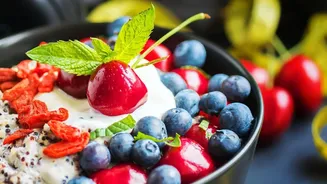
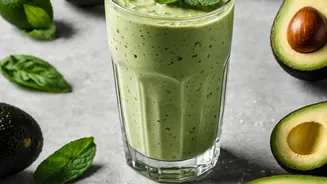
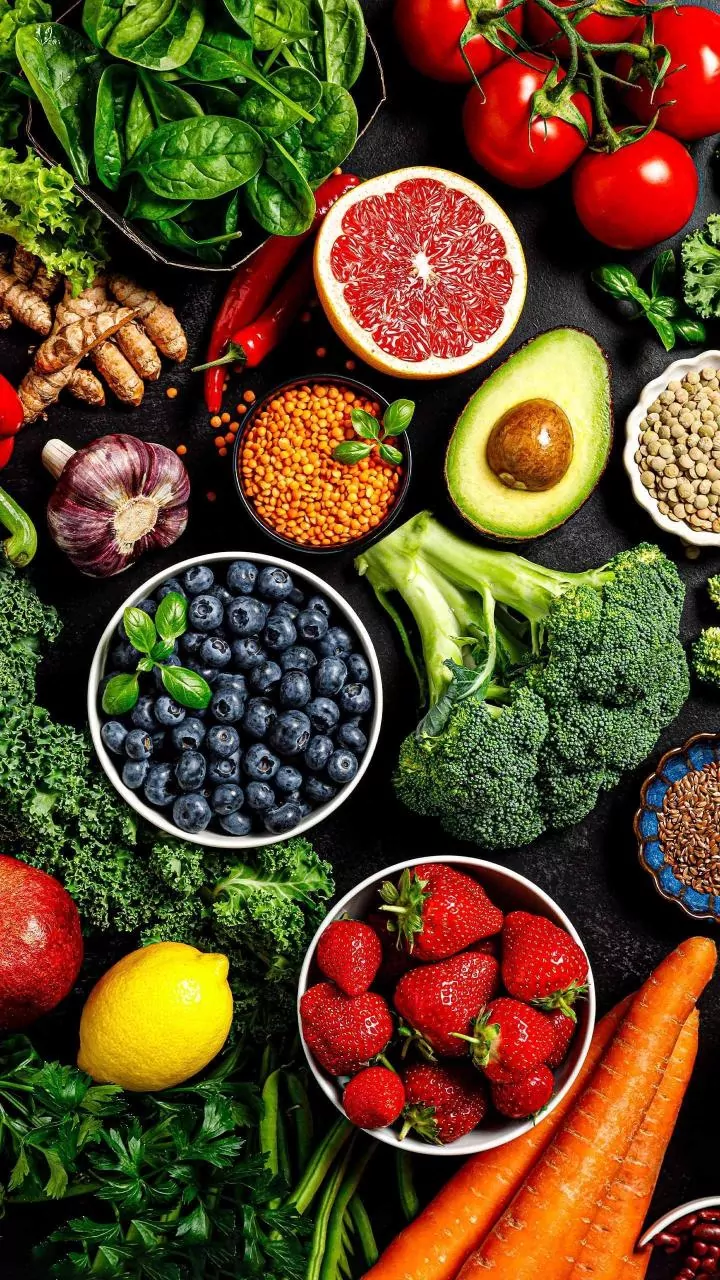
So, what does a winning team look like for heart health? It looks like dietary patterns such as the Mediterranean or DASH diets. These approaches aren't about restriction but about abundance and variety. They consistently emphasize eating plenty of fruits, vegetables, and whole grains like oats and brown rice. They prioritise healthy protein sources, especially plant-based ones like legumes, nuts, and seeds, alongside fish and seafood. Healthy fats from sources like olive oil and avocados are also key. What these diets limit are processed foods, refined starches, added sugars, and excessive sodium—the very things that contribute to chronic inflammation and cardiovascular risk.
Putting Sunflower Seeds in Their Place
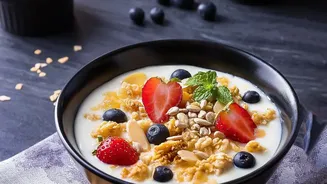
This doesn't mean you should discard your sunflower seeds. It just means using them wisely, as a valuable part of a broader healthy eating strategy. Instead of seeing them as a cure, see them as a contributor. A standard serving is about one ounce, or a quarter-cup of shelled seeds. Use them to add a satisfying crunch and a nutrient boost to foods that are already healthy. Sprinkle unsalted, raw, or dry-roasted seeds over a large vegetable salad. Stir them into your morning bowl of whole-grain oatmeal or a cup of plain yogurt. Blend them into a smoothie or mix them into a homemade trail mix with other nuts and dried fruits. By doing this, you're not just eating sunflower seeds; you're building the healthy, balanced dietary pattern that truly supports a long and healthy life.