








A Strategic Pivot to India
West Asian destinations are increasingly looking towards India as a crucial source of tourism growth. This strategic pivot is driven by India's rapidly expanding middle class, rising disposable incomes, and a strong appetite for international travel.
Countries across the region are launching fresh travel offers, hosting multi-city roadshows, and working with airlines to increase flight capacity to capture a larger slice of this lucrative market. The focus is clear: India is no longer just another market, but a top priority for nations diversifying their economies away from oil and building global tourism hubs. This push has gained further urgency as these nations seek to bolster their tourism sectors.
Saudi Arabia's Ambitious Vision
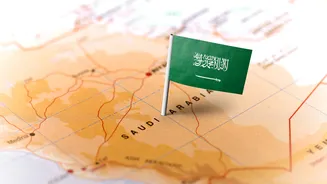
Nowhere is this new focus more apparent than in Saudi Arabia. As part of its ambitious Vision 2030 plan, the Kingdom is investing billions in giga-projects like the Red Sea resorts and NEOM. A central part of this strategy is attracting international tourists, with India identified as a top target market. Saudi Arabia aims to increase the number of Indian visitors from 1.5 million in 2023 to a staggering 7.5 million by 2030. To achieve this, it has introduced measures like a free 96-hour stopover visa, simplified e-visas through new processing centres, and a new 'Package Visa' service that bundles visas with flights and hotels. The recent launch of daily flights by new carrier Riyadh Air to Mumbai is another clear signal of its intent to boost connectivity.
Established Hubs Double Down
The established players are not standing still. The UAE, including popular emirates like Dubai, Abu Dhabi, and Ras Al Khaimah, continues to innovate to retain its top spot for Indian travellers. Ras Al Khaimah, for example, is aiming to welcome 3.5 million visitors annually by 2030, with India playing a central role in that growth. These destinations are rolling out summer deals, 'kids go free' packages, and promoting new attractions to keep their offerings fresh. While recent changes have adjusted the visa-on-arrival policy for some Indian passport holders, the UAE continues to offer various e-visa options and remains a highly accessible destination. Qatar is also actively courting Indian travellers, hosting trade roadshows in major Indian cities to showcase its offerings beyond being just a stopover destination, focusing on luxury, wellness, and family travel.
Oman's Cultural and Natural Appeal
Oman is leveraging its deep cultural ties and stunning natural landscapes to attract a growing number of Indian tourists. The country recorded a 36% year-on-year increase in Indian arrivals in the first five months of 2026, its strongest performance to date. The Ministry of Heritage and Tourism is actively promoting experiences like the Khareef (monsoon) season in Salalah, which offers lush green landscapes and cultural festivities that particularly appeal to Indian families. With a target of attracting one million Indian tourists annually, Oman is using a strategy of joint marketing campaigns, influencer trips, and strong partnerships with airlines to enhance its visibility and accessibility.
More Flights, More Choice for Travellers
This regional competition directly benefits Indian travellers through increased flight connectivity and choice. Airlines are actively restoring and adding new routes that were affected by regional instability. Air India Express, for instance, has fully restored its West Asia network, operating around 780 weekly flights connecting 18 Indian cities directly with the region. This includes resuming services to Salalah in Oman and Kuwait. This boom in air capacity, coupled with simplified visa processes and a wider array of destinations, means Indian tourists can now explore West Asia with greater ease and value than ever before, from ultra-modern cities to ancient heritage sites.