

Decoding the 2026 UN Nutrition Reports
In July 2026, several United Nations agencies, including the WHO and FAO, released their flagship annual reports, including 'The State of Food Security and Nutrition in the World' (SOFI). Rather than an analysis of specific foods, these reports are a global
health check-up. Their primary finding is a stark warning: healthy diets are becoming unaffordability for billions. For India, the reports present a mixed picture. While the country has made significant strides in reducing hunger (insufficient calories), a large portion of the population still struggles to get enough nutrients. The core issue highlighted is 'nutrition security'—the challenge of accessing a diet rich in quality nutrients, not just calories.
The Soaring Cost of Eating Healthy
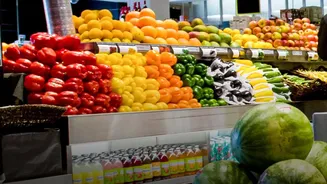
The reports reveal a crucial data point: as of 2025, a staggering 520.1 million people in India, or over 35% of the population, could not afford a consistently healthy diet. The cost for such a diet has surged by nearly 48% since 2017. This affordability crisis is the central theme. The reports argue that much of the cost of healthy food is generated after it leaves the farm, due to issues in supply chains, storage, and distribution. This context is vital because it reframes the conversation. When a nutritious meal is financially out of reach for one in three people, the focus on expensive, niche 'premium' ingredients seems misplaced.
The 'Premium' Ingredient Myth
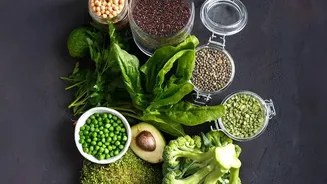
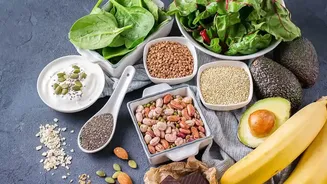
While the UN reports do not publish a list of banned or unnecessary ingredients, their core message provides a clear takeaway. The emphasis on affordability and accessibility implicitly debunks the myth that health is a luxury item. The obsession with imported quinoa, avocadoes, or exotic berries is a distraction from the real solution. The reports’ findings suggest that a healthy diet does not depend on these high-cost, often imported, products. Instead, the focus should be on dietary patterns and making nutrient-dense foods available to everyone, not just those who can afford a premium.
Focus on India's Everyday Superfoods
The true spirit of the UN reports lies in promoting local, sustainable food systems. For Indian consumers, this means rediscovering the nutritional powerhouses in our own backyards. The reports' call to action supports a shift towards what has always been a part of Indian food culture. Instead of expensive grains, consider millets like jowar, bajra, and ragi, which are climate-resilient and packed with nutrients. Instead of imported leafy greens, local varieties of spinach (palak), fenugreek (methi), and amaranth (chaulai) are excellent. Lentils and pulses, the cornerstone of Indian cuisine, are affordable, protein-rich alternatives that the reports implicitly champion through their focus on affordable nutrition.
What Really Matters for a Healthy Diet
The ultimate conclusion from the 2026 UN reports is that we need to move beyond single-ingredient marketing and focus on holistic dietary patterns. A healthy diet is about variety, balance, and adequacy. It means eating a diverse range of fruits, vegetables, whole grains, and proteins. The reports challenge policymakers and individuals alike to prioritise nutrition security over food security, meaning quality over just quantity of calories. For the average person, this means that a simple, home-cooked meal with dal, a seasonal vegetable, and a whole-grain chapati or a serving of millets is more aligned with the principles of healthy eating than a salad made with expensive, imported ingredients could ever be.