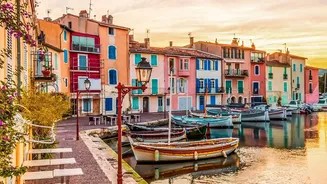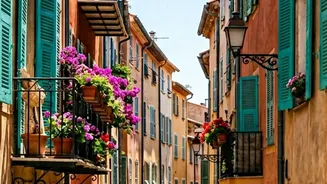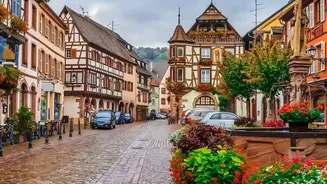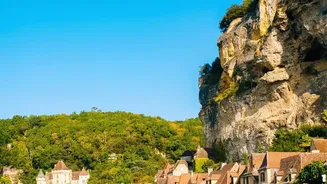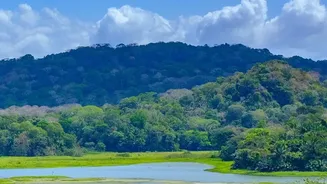

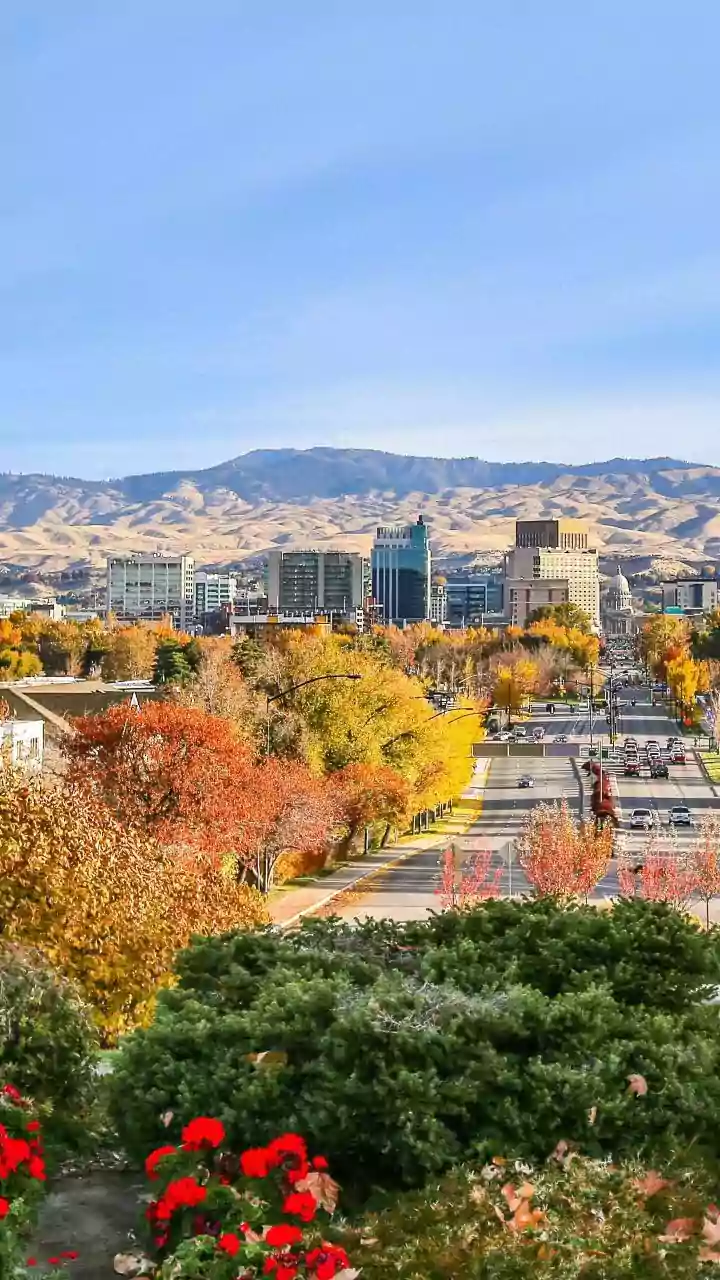
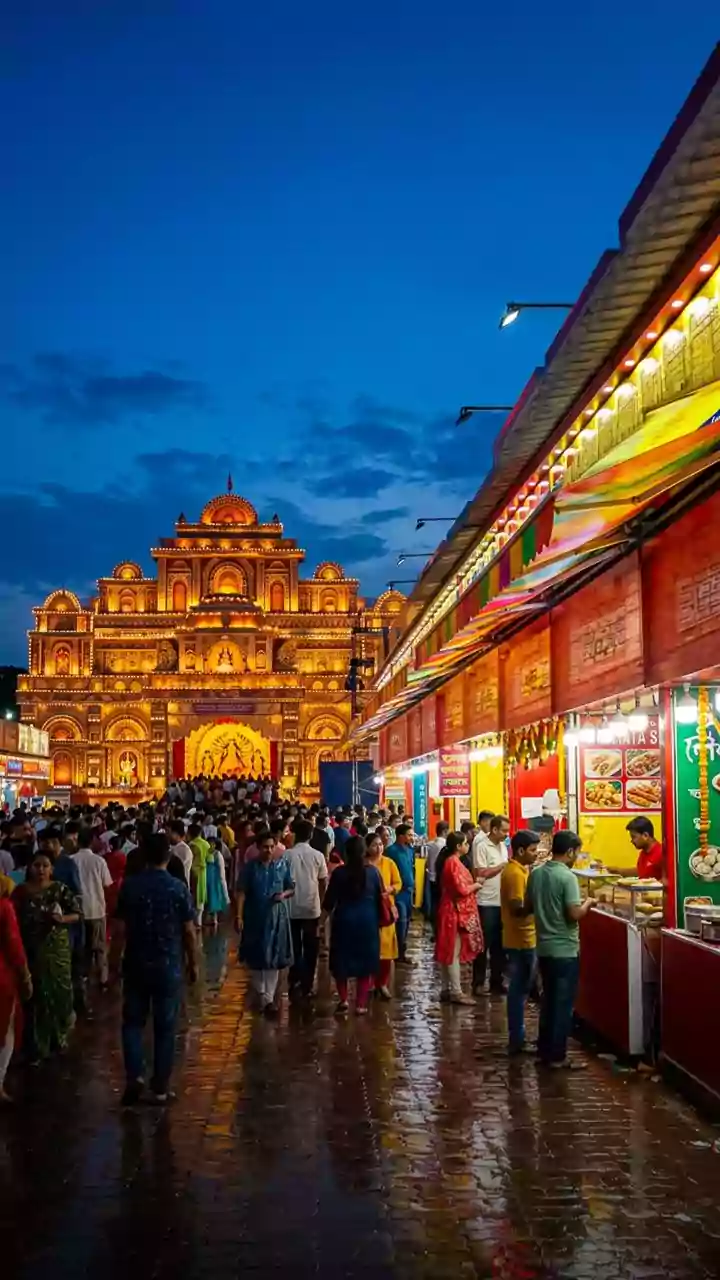

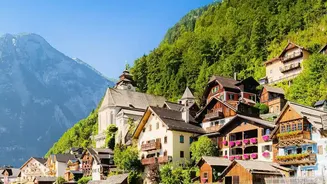
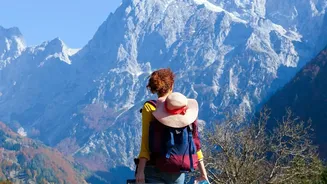

The perfect travel photo is often a fantasy: a serene moment in front of a landmark, completely ruined by a sea of selfie sticks. But what if the true value of travel isn't found in the crowds, but in the quiet spaces just beyond them?
The High Cost of Popularity
We've all felt it.
The frustration of standing in a two-hour queue for a museum, the struggle to find a quiet spot on a world-famous beach, or paying exorbitant prices for a simple meal. This is the reality of 'overtourism,' a phenomenon where the sheer number of visitors strains local infrastructure and diminishes the magic of a destination. Popular hotspots, while famous for a reason, often lose their authentic charm to commercialisation. The experience becomes less about connection and discovery, and more about navigating congestion. This not only impacts your enjoyment but also puts pressure on the environment and the local communities who call these places home.
Redefining Your Travel 'Value'
For years, travel value was measured by how many famous sites you could tick off a list. But a shift is underway. Today’s savvy traveller understands that true value lies in the quality of the experience, not the quantity of attractions seen. It’s about the leisurely coffee in a local square, the unexpected conversation with a shop owner, and the freedom to explore at your own pace. These authentic moments are the real souvenirs. Less crowded destinations offer this in abundance, providing a more immersive and meaningful cultural experience that mega-popular spots, saturated with tourist-focused services, often cannot.
The 'Second City' Strategy
Instead of automatically booking a trip to a country’s most famous city, consider its 'second city'. This strategy involves visiting a nearby, less-famous alternative that offers comparable culture, food, and architecture but with fewer crowds and lower costs. Think Lyon instead of Paris, or Bologna instead of Rome. Recent trends show travellers are increasingly choosing these 'destination dupes'. For example, the Albanian Riviera offers stunning beaches similar to Greece or Croatia but at a fraction of the price. Similarly, travellers looking for the mountain scenery of Nepal might find a more serene experience in Bhutan. This approach isn’t about finding a substitute; it’s about discovering a destination with its own unique personality, free from the pressures of mass tourism.
How to Find Your Own Path
Finding these hidden gems is easier than you might think. Start by looking beyond the capital cities on a map. Use travel blogs and forums, searching for terms like 'underrated destinations' or 'off-the-beaten-path'. Following local travel creators on social media can also provide incredible inspiration. Another great tip is to contact the regional or city-specific tourism boards directly; they can often recommend unique experiences that aren’t in major guidebooks. Visiting during the 'shoulder seasons' (the months just before and after the peak season) is another way to experience popular places with fewer people and often lower prices. The key is to let curiosity, not just a pre-set list, guide your planning.
Benefits Beyond Better Photos
Choosing less-crowded destinations does more than just improve your vacation; it promotes a more sustainable and responsible form of travel. Your spending provides a direct economic boost to smaller communities that may need it more than the major hubs. It reduces your environmental impact by easing the strain on overburdened natural resources. And perhaps most importantly, it fosters genuine human connection. When you're not just another face in a crowd, locals are often more open and welcoming, leading to richer, more memorable interactions that define a truly great trip.