



Immediate Action Is Crucial
The moment you get home, act fast. Ignoring wet shoes is the biggest mistake you can make, as moisture combined with humidity creates a perfect breeding ground for fungus and bacteria, leading to unpleasant smells and material damage. First, take your
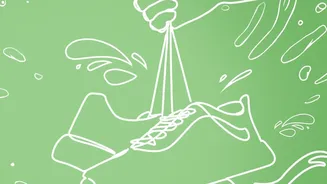
shoes off and remove the insoles and laces. This allows air to circulate more freely and helps each part of the shoe dry thoroughly and separately. Shake out any excess water and wipe down the exterior with a dry cloth to remove surface moisture and prevent water spots, especially on leather. If they are muddy, now is the time to clean them before the dirt sets in.
Clean Before You Dry
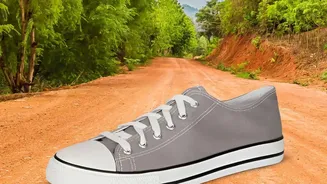
Drying muddy shoes will only bake the dirt into the fabric, making it much harder to clean later. For most shoes like sneakers or canvas, a gentle scrub is effective. Use a soft brush, like an old toothbrush, and a solution of mild detergent and warm water to gently clean the exterior and soles. Try to scrub away any grime without completely saturating the shoe again. For leather, simply wiping with a damp cloth is usually sufficient. Wash the laces separately in soapy water, as they trap a lot of dirt. Once clean, you're ready for the most important step: drying.
The Right Way to Dry
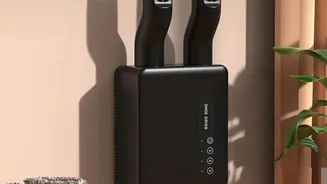
Heat is the enemy of wet shoes. Never place your footwear near a direct heat source like a radiator, heater, or in direct, harsh sunlight. High heat can weaken adhesives, cause leather to crack and shrink, and make synthetic materials warp. Similarly, avoid using a hairdryer or putting them in a clothes dryer, as this can deform the shoe and ruin its fit. The most effective method is also the oldest: stuffing them with newspaper. Ball up sheets of newspaper and pack them loosely inside each shoe, making sure to reach the toe area. The paper will absorb moisture from the inside while helping the shoe maintain its shape. Replace the wet newspaper with fresh, dry sheets every few hours for the best results. This method is safe for all materials, from leather to canvas.
Enhance Drying with Airflow
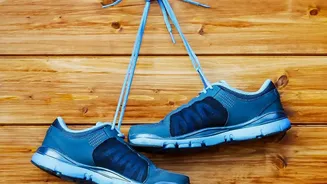
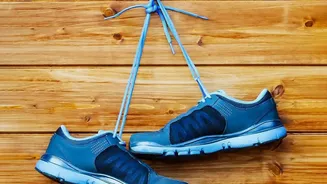
To speed up the process, combine the newspaper method with good air circulation. Place the stuffed shoes in a well-ventilated room, ideally in front of a fan. The moving air helps to carry moisture away, significantly reducing drying time. You can even hang the shoes by their laces in front of the fan's grille for all-around airflow. If you have silica gel packets—the small pouches that come in new shoe boxes—don't throw them away. Placing a few of these inside your shoes is an excellent way to draw out moisture, and they are particularly gentle on delicate materials like suede and leather.
Eliminate Odour and Prevent Fungus
Even after drying, a musty smell can linger. This is caused by bacteria that thrived in the damp conditions. To neutralize odours, sprinkle a small amount of baking soda inside each dry shoe and leave it overnight. Baking soda is a natural deodorizer that absorbs lingering smells. Simply vacuum or shake out the powder the next morning. For a more potent solution, a light spray of a 1:1 mixture of white vinegar and water can also help kill bacteria. To prevent future fungal growth, always ensure shoes are completely dry before storing them and try to rotate your pairs, giving each at least 24 hours to air out after being worn.
Special Care for Leather
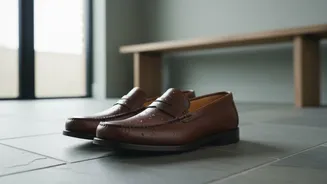
Leather requires extra attention. After getting wet, it can become stiff and crack as it dries. Once your leather shoes are completely dry after using the newspaper or air-drying method, it is essential to recondition them. Apply a suitable leather conditioner or cream to restore moisture and flexibility to the material. Polishing them afterward will not only bring back the shine but also add a protective layer against the next inevitable downpour.