





The Post-Shopping Reality Check
It’s a familiar scene in many Indian homes. In the days leading up to Diwali, Christmas, or Eid, our kitchens swell with ingredients. We stock up on kilos of flour, sugar, and lentils, special spices for festive dishes, jumbo packets of snacks, and tins
of ghee and oil. While this abundance is part of the celebration, it often leads to a chaotic pantry where new purchases are crammed into any available space. This not only makes finding things difficult but can also lead to food wastage when items get lost at the back of shelves and expire. This annual ritual of bulk buying, however, is now prompting a more thoughtful approach to kitchen management, turning the focus towards a full-fledged pantry makeover.
From Chaos to Categories
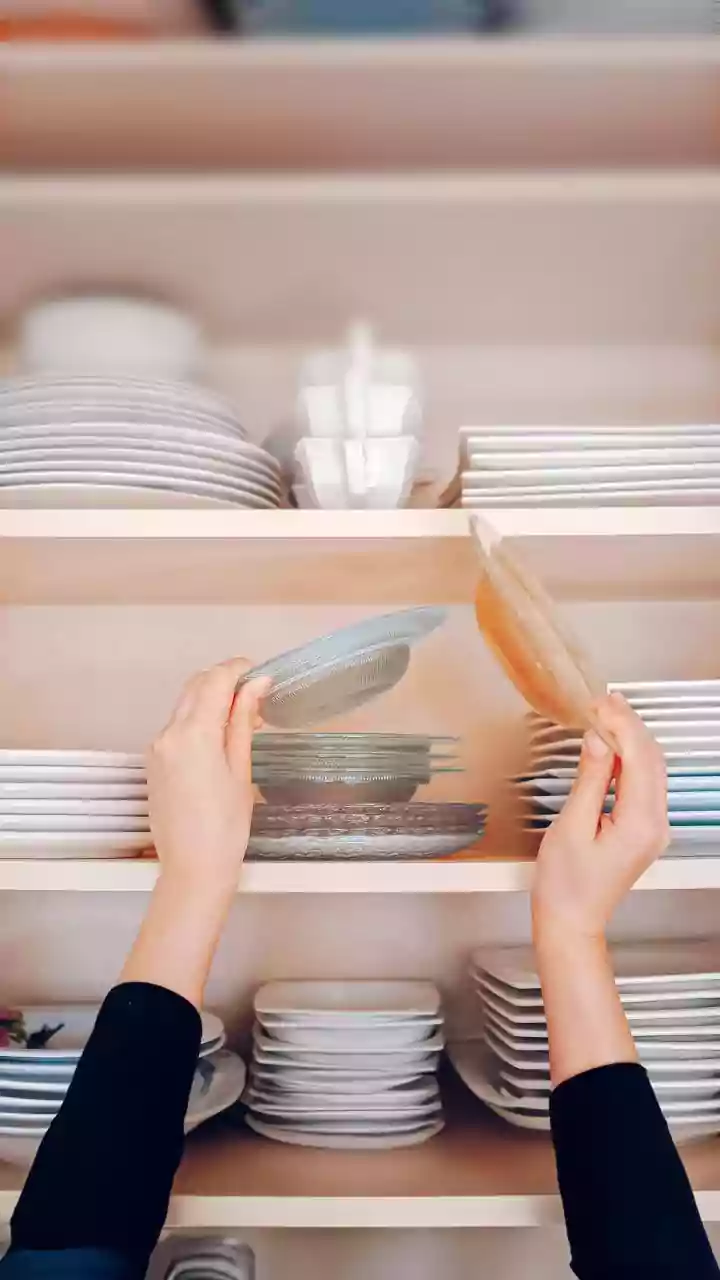
The first step in any pantry transformation is to see what you actually have. Home organisation experts suggest emptying your shelves completely. This allows you to clean the space and assess your inventory. Before you buy new containers, take stock of what you have, group similar items together, and discard anything that is broken, duplicated, or expired. Create logical categories: all your dals and pulses in one group, flours and grains in another, spices together, and a separate zone for festive snacks and sweets. This initial sort-out is the foundation of an organised system, preventing you from buying what you already own and making everything visible.
Embrace Smart and Visible Storage
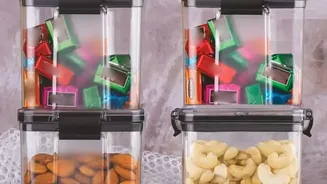
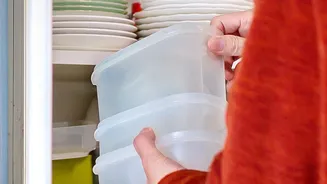
Once everything is sorted, the right containers are crucial for maintaining order. While it can be tempting to keep items in their original packaging, decanting them into clear, airtight containers is a game-changer. Square or rectangular containers are particularly efficient as they minimise wasted space on shelves compared to round ones. Using see-through jars or labelling opaque ones helps you identify contents at a glance, saving you from opening multiple boxes to find that one ingredient. For Indian kitchens, where humidity can be a concern, airtight seals are vital to keep ingredients like atta, sugar, and spices from spoiling or attracting pests. Think vertically by using shelf risers to create double the storage space for smaller items like spice jars or cans.
The 'First-In, First-Out' Principle
A common mistake is to place new groceries at the front of the pantry, pushing older items to the back. This is how food gets forgotten and expires. To combat this, adopt the 'First-In, First-Out' (FIFO) system, a simple but effective strategy used in professional kitchens. When you bring home new groceries, rotate your stock by moving older items to the front and placing the new ones behind them. This ensures you always use up what you bought first. Some organisers even suggest creating a dedicated 'Use Me First' basket for items that are nearing their expiry date or have been opened. This visual cue helps the whole family know what needs to be consumed quickly, drastically cutting down on waste.
Creating Dedicated Zones for Convenience
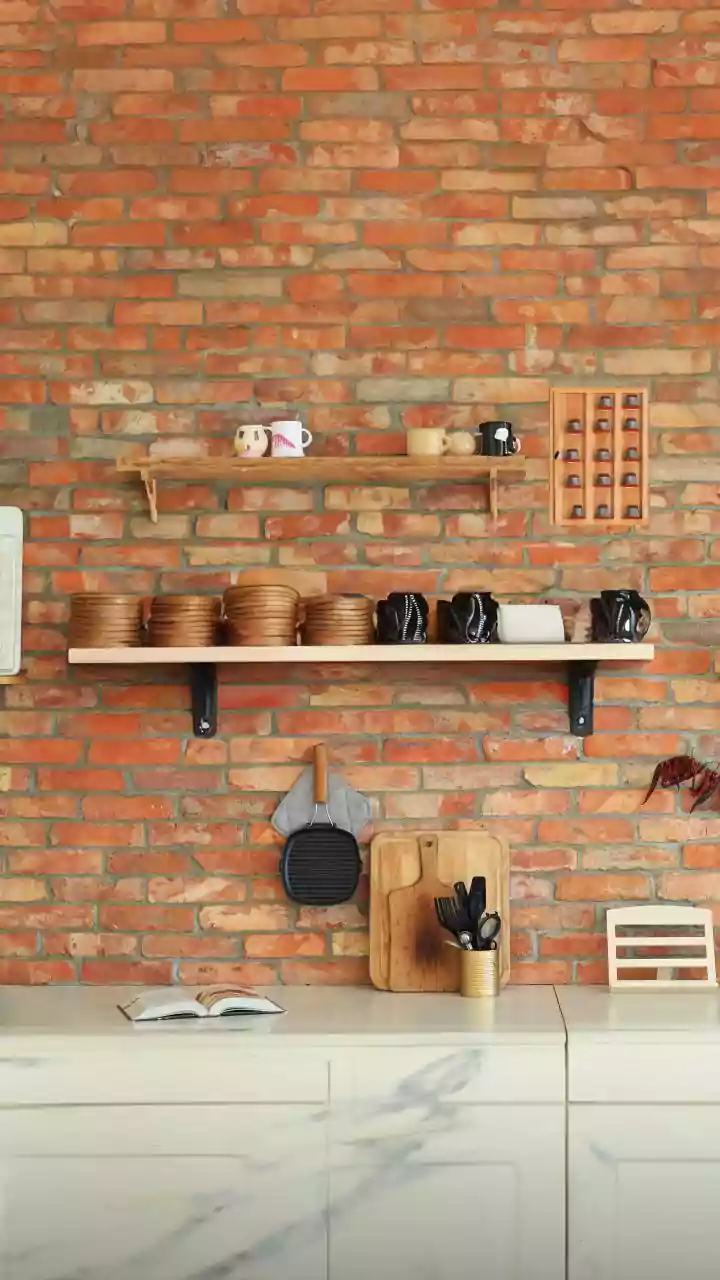
An effective pantry isn't just tidy; it's zoned for convenience. Designate specific areas for different purposes to streamline your daily routine, especially when hosting guests during the festive period. Create a dedicated zone for all your festive snacks (faral) and serving platters so they are ready when visitors arrive. Similarly, grouping tea, coffee, sugar, and mugs together into a small beverage station makes serving drinks much quicker. Everyday ingredients like frequently used spices, oil, and salt should be kept at an easily accessible height, while items for special occasions can be stored on higher or lower shelves. This thoughtful placement transforms your pantry from a simple storage space into a functional, intuitive part of your kitchen.