



Defining The Social-To-Menu Gap
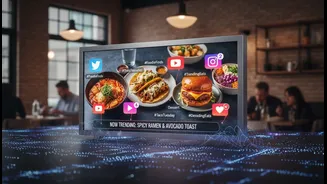
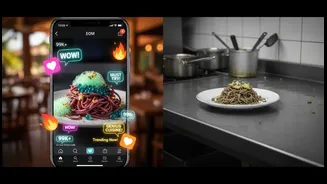
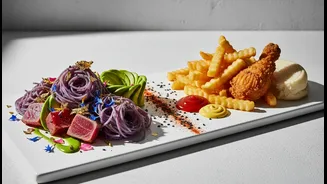
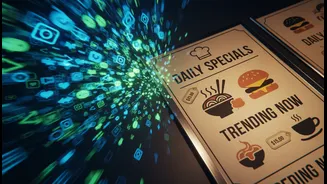
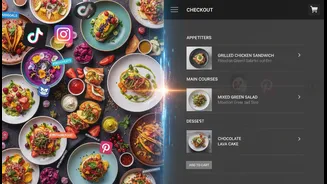
The social-to-menu gap is the crucial delay between a food item gaining viral popularity on social media and its eventual appearance on a restaurant or delivery app menu. A reel featuring a new style of loaded fries can get a million views in 48 hours,
creating instant, widespread demand. Yet, for a consumer to open Zomato or Swiggy and order that exact dish often takes weeks, if not months. This gap represents a massive, unmet consumer desire and a significant operational hurdle for food businesses, from small cloud kitchens to large Quick Service Restaurant (QSR) chains. For today's diners, especially Gen Z, social media is the primary tool for food discovery, making this lag more frustrating than ever.
The Viral Engine: How Trend Cycles Accelerate
Food trends used to be seasonal or driven by celebrity chef endorsements. Today, they are born and accelerated by algorithms on platforms like Instagram Reels and YouTube Shorts. Short-form video content has turned food into a visual spectacle, where 'camera eats first'. Dishes are now designed for their visual appeal—think cheese pulls, colour contrast, and oversized portions—because a shareable clip is the new word-of-mouth. This has shortened the trend lifecycle from months to mere days. A dish can go from unknown to a national craving in a week and be forgotten the next, putting immense pressure on businesses to keep up.
Kitchen Reality: The Friction of Menu Speed
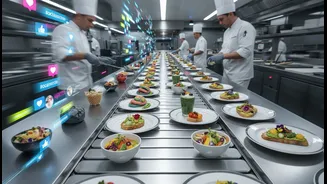
While trends move at the speed of a scroll, kitchens operate in the physical world of supply chains and standard operating procedures. Adding a new, viral dish isn't as simple as just deciding to make it. This process, known as menu engineering, is slow and deliberate. Restaurants must first source new ingredients, sometimes from different suppliers. Chefs need to be trained to prepare the dish consistently. The item must be costed to ensure it's profitable. Finally, it needs to be photographed and added to online delivery platforms, a process that can involve its own delays. For larger chains, this involves approvals at multiple levels, further slowing down the process. Small, independent outfits can move faster, but still face the same fundamental operational challenges.
Impatient Consumers and Unmet Demand
The modern Indian consumer, particularly in urban areas, is conditioned for convenience and speed. Having been trained by e-commerce and on-demand services, their expectation is simple: if they can see it, they should be able to get it. When they discover a trending food item on social media, the desire to experience it is immediate. The inability of restaurants to meet this demand in real-time leads to customer frustration and, more importantly for businesses, a missed opportunity for revenue and customer acquisition. This demand is so powerful that some restaurants report that limited-time offerings based on viral trends generate more first-time orders than permanent menu items.