







Fortify Your Defences: Exterior Checks
Your home's first line of defence is its exterior, and a pre-monsoon inspection is critical. Start with the roof, looking for any cracked, loose, or missing tiles that could allow water to seep in. Pay close attention to any previous repair spots. Next,
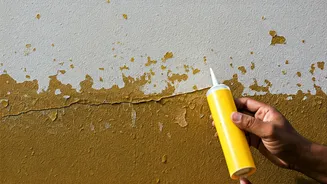
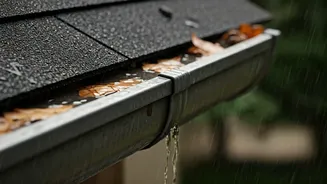
thoroughly inspect your exterior walls for cracks, especially around door and window frames. Even hairline fissures can widen and let moisture in, leading to damp patches and peeling paint inside. Use a high-quality waterproof sealant or filler to fix these gaps promptly. Finally, don't forget your drainage system. Clogged gutters, downspouts, and balcony drains are a primary cause of waterlogging, which can damage your home's foundation. Ensure they are cleared of all leaves, dirt, and debris so that rainwater can flow away freely.
Secure Your Interiors from Dampness
Once the exterior is secured, turn your attention inside. The high humidity during monsoon is notorious for causing wooden doors and windows to swell and jam. Check that they all close properly and seal any gaps with weather stripping to prevent rainwater from being blown inside. Heavy furniture, especially wooden pieces, should be moved a few inches away from walls to allow for air circulation and prevent moisture from getting trapped, which can lead to mould and a musty smell. This is also a good time to store away heavy carpets and rugs, as they can absorb a lot of moisture, becoming a breeding ground for fungus and mildew. Instead, use lighter, easily washable doormats at entry points to trap mud and water.
Prioritise Electrical Safety
Water and electricity are a dangerous combination, making electrical safety paramount during the monsoon. Before the rains start, have a qualified electrician inspect your home’s wiring for any frayed cables, loose connections, or damaged insulation. Ensure your home has a functional Earth Leakage Circuit Breaker (ELCB) or Residual Current Circuit Breaker (RCCB), which can automatically cut off the power supply in case of a leakage, preventing electric shocks. During heavy thunderstorms, it's wise to unplug non-essential electronic appliances like televisions and computers to protect them from sudden power surges. Never touch switches or any electrical appliance with wet hands, and keep all portable devices and extension cords elevated from the floor.
Control Humidity and Prevent Mould
Even without direct leaks, high ambient humidity can make homes feel damp and lead to the growth of mould and mildew. Ensure good ventilation by using exhaust fans in kitchens and bathrooms and opening windows for cross-ventilation whenever it's not raining. In enclosed spaces like wardrobes and cabinets, place moisture absorbers like silica gel packs or even natural alternatives like camphor or neem leaves to keep clothes and belongings fresh. If you notice any mould on walls, you can treat the area with a solution of white vinegar and water, which helps to kill the fungus and prevent it from spreading. Regularly airing out cupboards and linen also helps prevent that typical musty monsoon odour.
Prepare for Emergencies and Pests
The monsoon season is a prime time for pests like mosquitoes, termites, and other insects to thrive. Ensure all window screens are intact and without tears to keep insects out. Don't let water stagnate in or around your home, as it becomes a breeding ground for mosquitoes. It's also a good idea to have a basic emergency kit ready for potential power cuts. This should include rechargeable LED lanterns or torches, a power bank for your phone, essential medications, and some non-perishable food items. Being prepared for these minor inconveniences ensures you can handle them calmly without disruption.